
As dietary recommendations constantly evolve, it can feel overwhelming trying to figure out what truly constitutes a healthy diet. Rather than memorizing complex guidelines, the focus is shifting toward a simpler, more foundational principle: recognizing genuinely wholesome ingredients and understanding how they impact your body. This article breaks down what “real food” means for the average shopper and how to navigate modern packaged goods with confidence.
What Do Modern Guidelines Mean by “Real Food”?

At its core, “real food” is a return to simplicity. It means identifying ingredients that come straight from nature—foods that are minimally processed and retain their nutritional integrity. Think whole grains, beans, fresh seasonal produce, and unprocessed proteins. The goal of modern guidelines isn’t restriction, but rather emphasizing nutrient density and whole-ingredient combinations over processed convenience items. This shift empowers shoppers to base their meals around staple components rather than relying on products formulated solely for shelf stability or taste appeal.
When you see terms like “natural” or “wholesome” on packaging, it’s crucial to look deeper than the marketing claims. Real food often means avoiding the confusing laundry list of chemicals and additives that characterize ultra-processed products. Instead, it means looking for single-source ingredients that you might recognize from a kitchen garden or a farmer’s market. These foundational foods provide reliable energy and the essential micronutrients your body requires to function optimally.
Decoding the Ingredients List: Beyond Marketing Buzzwords

The most valuable tool a shopper has is skepticism. The ingredients list is where the truth lies, but manufacturers are experts at obscuring details. “Real food” shopping requires learning to read labels not just for calorie counts, but for the source and type of ingredients. High amounts of refined oils, unrecognizable chemical names, or excessive added sugars are immediate red flags that signal significant processing has occurred.
To simplify this deep dive, modern scanning platforms have incorporated advanced AI analysis. Instead of just listing ingredients, these platforms flag potential issues, such as detecting added sugars, high sodium levels, or artificial additives right away. By comparing a product to a massive database of millions of items, you can instantly see if a packaged snack falls into the category of whole-food goodness or highly processed convenience. We recommend scanning any product you are curious about to get a comprehensive overview.
Focus on the front end of the list. Ingredients are listed by weight, so the first few items are the most dominant components. If white flour, corn syrup, or highly processed vegetable oils appear near the top, it suggests the product’s identity is built on refinement rather than natural source material. Aim for simplicity, where the first three ingredients are recognizable and whole.
Using Nutritional Scoring to Simplify Complex Choices

Knowing what to look for is helpful, but applying that knowledge across hundreds of SKUs in a grocery store is exhausting. That’s where scoring systems come in—they act as instant, objective guideposts. Two key scores help simplify decisions: the Nutri-Score and the Bio Score.
The Nutri-Score gives you a quick grade (A–E) based on the product’s overall nutritional balance, guiding you toward better overall choices across categories like snacks and beverages. A product with a ‘A’ generally indicates a nutritionally superior choice, while an ‘E’ signals that it might be high in undesirable components. Furthermore, the Bio Score offers a unique look at the ingredients themselves, giving you a score (0–100) that reflects how natural and unprocessed the ingredients are, offering a measure of ingredient integrity separate from just the nutritional payoff.
By combining these tools, you gain a multi-faceted view: Is it *nutritionally good* (Nutri-Score)? Is it *natural* (Bio Score)? And how does it perform on a day-to-day basis (Nutrition Score)? These layers of information help shoppers move past vague labels and make decisions based on quantifiable data.
Spotlight: Applying Principles to Key Food Categories
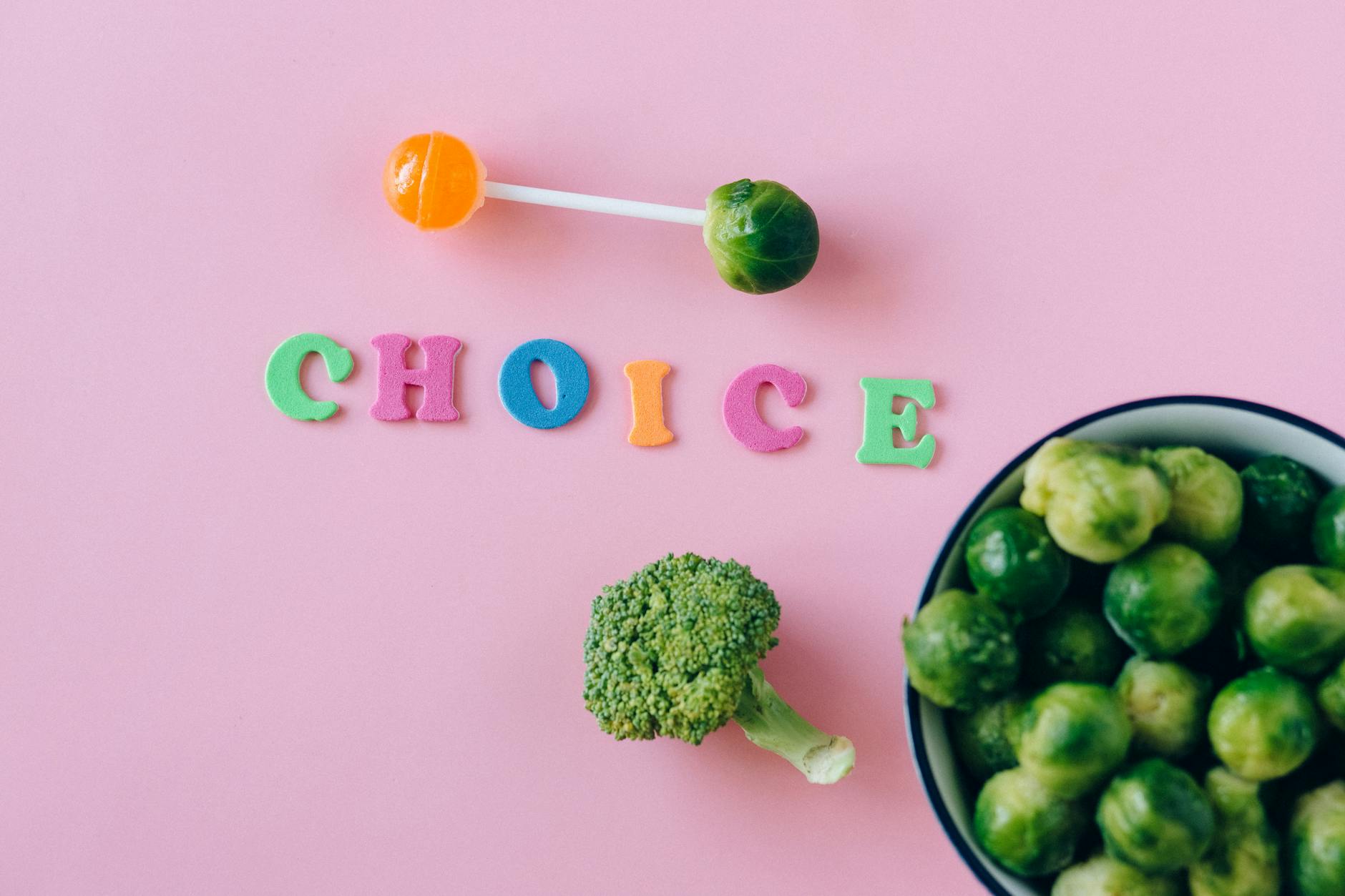
Applying these principles gets easier when looking at specific food categories. For example, when selecting snacks, the goal is moving away from products with excessive fats and salts. A high-quality snack is generally lower on the refined ingredients list and should receive a favorable Nutri-Score. If you’re examining dairy, look for whole-milk yogurts with minimal added sweeteners, ensuring the Bio Score is high to confirm fewer additives.
In the beverages section, the struggle is often sugar content. Real-food choices are often unsweetened water, herbal teas, or fruit-infused waters. Before reaching for bottled juices or flavored drinks, always check the sugar breakdown and the Nutri-Score. The scan features are incredibly useful here, instantly highlighting if the product contains added sugars or artificial colorings, which are major signs of ultra-processing.
When shopping for prepared meals or meats, prioritize lean sources and whole ingredients. High-quality, minimally processed foods across all categories—from bread to dips to desserts—will consistently score better across the Nutrition Score and Bio Score, confirming they are aligned with the principles of “real food.”
Embracing Transparency in Your Kitchen

The shift toward “real food” is not about perfection; it’s about increased transparency and making better daily choices. By understanding how to critically evaluate an ingredient list, utilizing scoring systems like the Nutri-Score and Bio Score, and focusing on whole components, you gain significant power as a consumer. You no longer have to trust vague marketing claims; you can see the data for yourself.
Making these changes takes practice, but by making the process of analysis easy—whether by checking a barcode or filtering your search across different categories—you transform the daunting task of grocery shopping into a manageable, informed process. Remember that any guidance provided through ScanifyPro is for informational purposes only and should supplement, not replace, professional dietary advice.
Conclusion
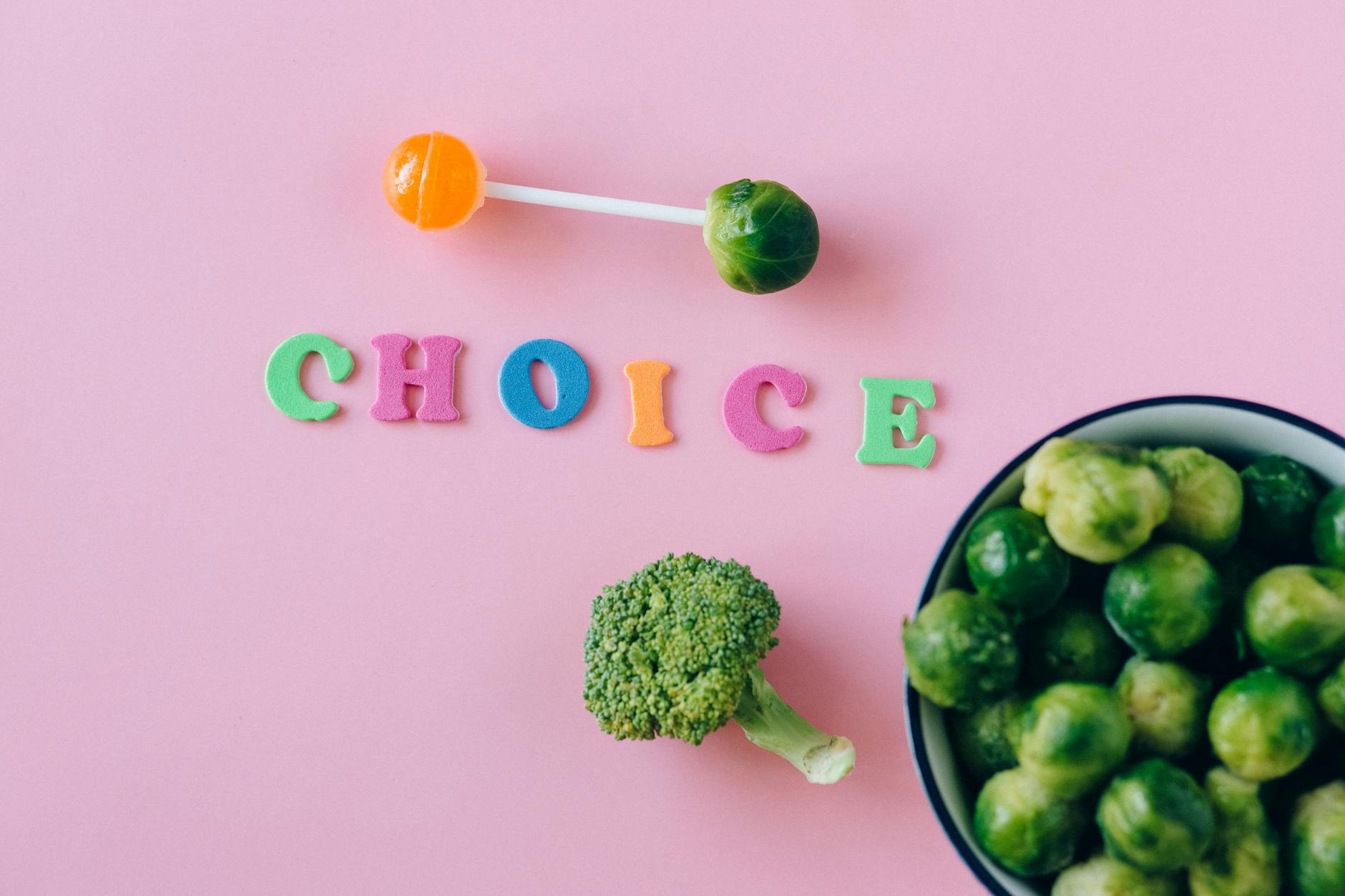
The guidelines are shifting from telling you *what* not to eat to empowering you to *know* what you are actually eating. By adopting a critical, data-driven approach and leveraging tools like our comprehensive product analysis, you can confidently navigate the store aisles. Start with curiosity: scan a product you are unsure about, review its Nutri-Score and Bio Score, and let the data guide you back toward the simplicity and richness of truly real, whole food.


Leave a Comment