
We all love the convenience of a pre-packaged snack, but many of the items we reach for—from granola bars to flavored yogurt—are sugar bombs in disguise. Learning to spot the true sugar content means reclaiming control over your diet and making healthier, informed choices.
The Vocabulary of Sweetness: Understanding Sugar’s Alias List
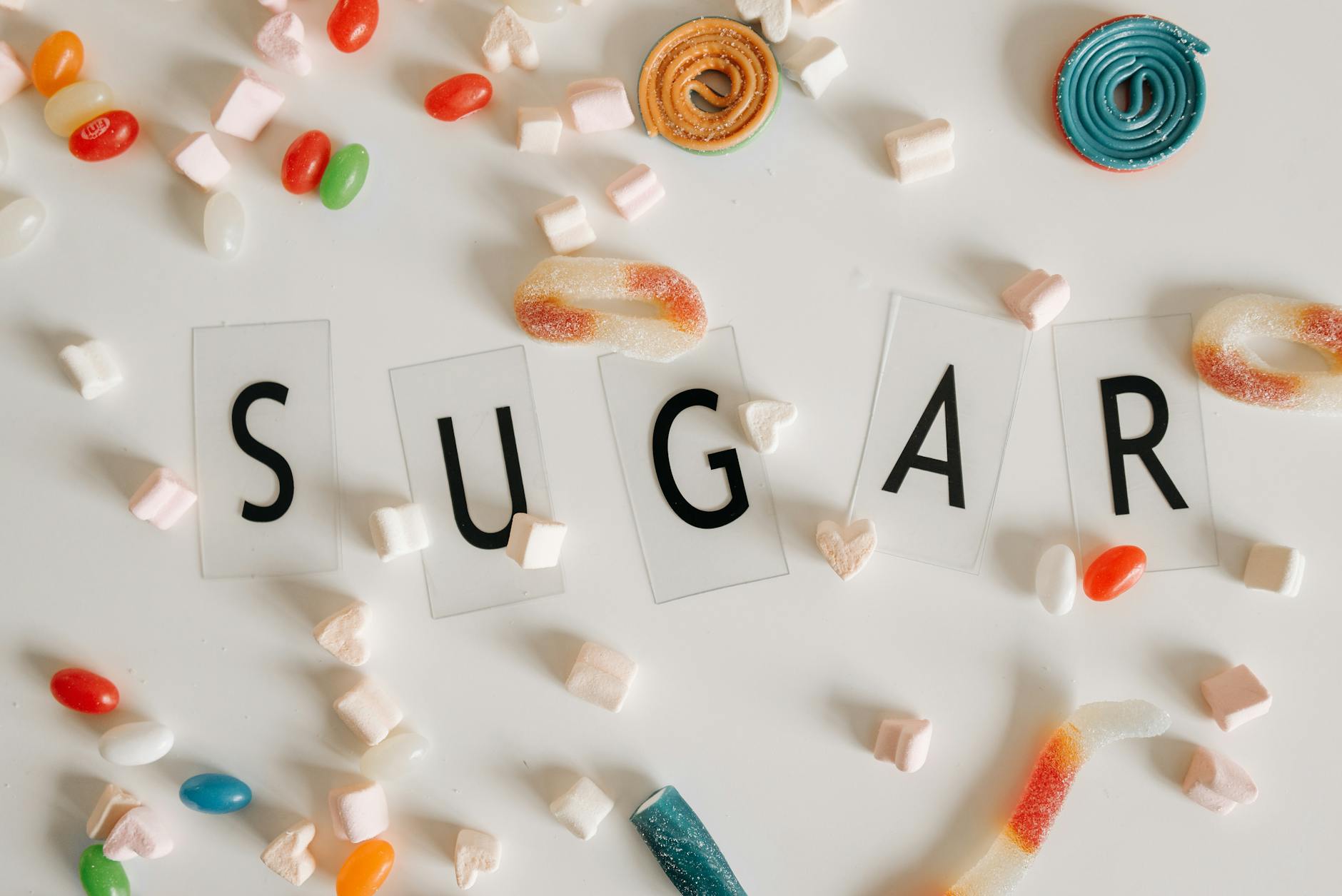
The most alarming realization for many consumers is that manufacturers rarely use the word “sugar” when they want to downplay the actual amount in a product. Instead, they employ a vast and confusing alphabet soup of synonyms, each designed to make the label look less intimidating. Knowing these aliases is the first crucial step toward becoming a label detective. For example, common terms like high-fructose corn syrup, dextrose, maltose, and maltodextrin are essentially different forms of pure sugar, and they should trigger the same level of caution you would reserve for table sugar. Understanding this variety allows you to see past the marketing fluff and recognize the true caloric payload hidden within the ingredient list.
Beyond the obvious syrup names, watch out for ingredients that sound beneficial but are merely sugar in disguise. Things like “cane sugar,” “rice syrup,” “agave nectar,” and “honey” are all sweeteners, even if they come from natural sources. While some claim nutritional benefits, in the context of a packaged snack, they function primarily as quickly digestible carbohydrates. Furthermore, ingredient lists often rearrange these aliases, making it difficult for the untrained eye to catch the pattern. Always look for the sugar category in the ingredient list, regardless of where the ingredient is placed. If you see more than two or three different forms of sweeteners listed, it is a clear warning signal that the product is heavily sweetened.
Common Snack Traps and Their Hidden Ingredients
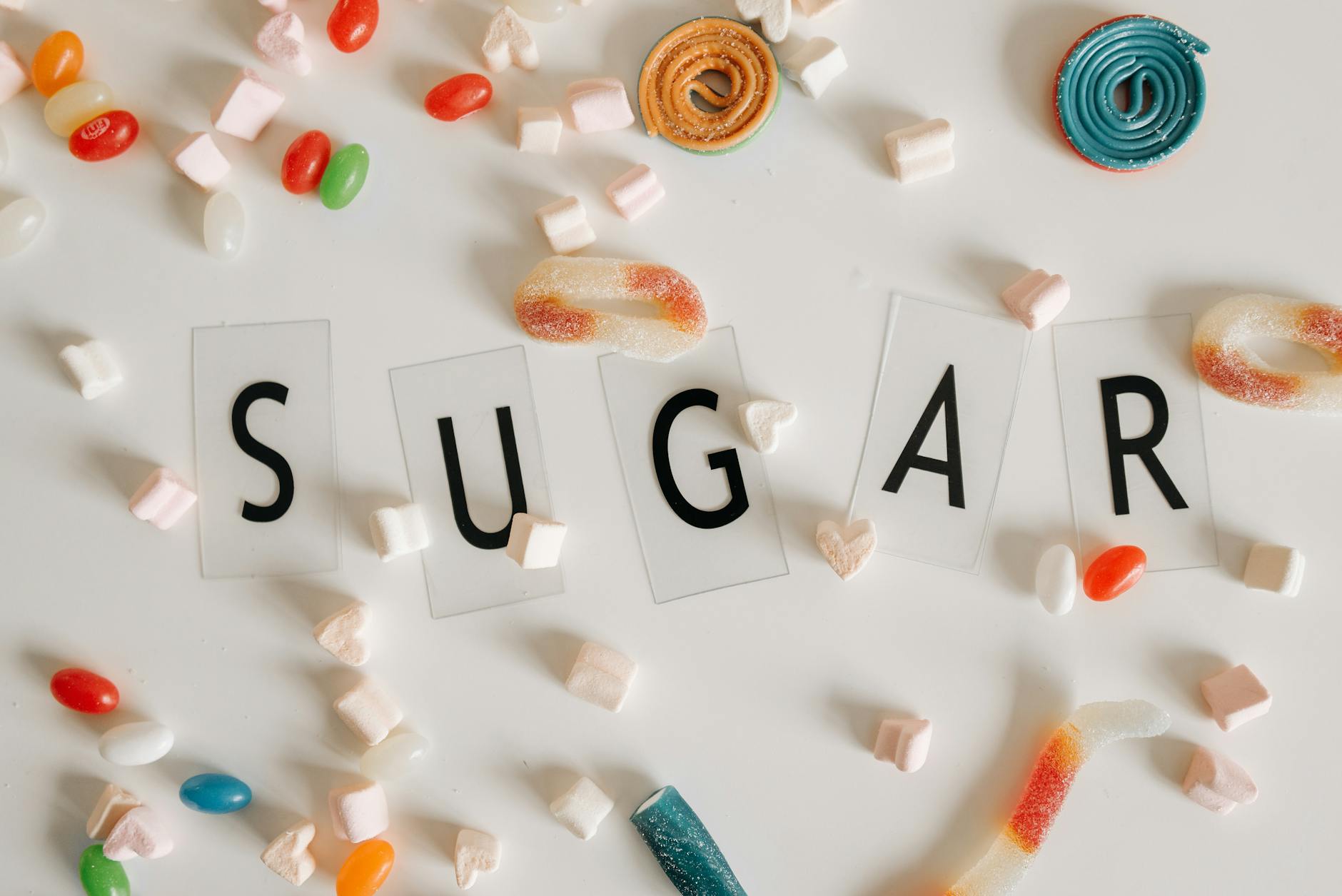
Many staple snacks that promise health or natural ingredients are the biggest sources of concealed sugar. Granola bars, for instance, are perhaps the quintessential offender; they often hide sugars under the guise of “natural flavorings,” “syrup coatings,” or added fruit pastes. While the oats and nuts are healthy, the binder that holds the bar together is frequently a potent blend of sugars designed to improve texture and mouthfeel. This can include sticky ingredients like liquid honey or maple syrup, even if they are marketed as “raw” or “organic,” because they still contain concentrated sugar that dramatically increases the total glycemic load of the snack.
Similarly, flavored yogurts and “healthy” breakfast items are often loaded with added sugars that do little to improve the nutritional profile beyond the immediate sweetness. The issue is that the flavor enhancers are rarely actual fruit; they are concentrated juice mixes or sugar syrups added to mask the natural tartness or blandness of the base dairy. When reading labels, do not be fooled by the presence of actual fruit, as those fruits might themselves be preserved with high amounts of sugar. Instead, focus on the third-party ingredients and the very end of the list where the sweeteners accumulate.
- Sauces and Dressings: These savory items often contain sugar to balance acidity (e.g., ketchup, BBQ sauce).
- Nut and Seed Butters: Many store-bought nut butters add sugar and oils to make them easier to spread and taste sweeter.
- Cereal and Breakfast Mixes: Anything marketed as “fruit-filled” should be viewed skeptically regarding its sugar content.
Mastering the Nutrition Label Decoder

Armed with the knowledge of sugar aliases, the next step is mastering the art of reading the official nutrition label. While the “Sugar” line provides the total grams of added sugar, it is equally important to analyze the ‘Total Carbohydrates’ row. This row tells you the overall energy content from the snack, which must be accounted for when calculating your overall sugar intake. A snack with a low amount of sugar listed but a high total carbohydrate count is still a major source of quick energy that can spike blood sugar.
Never buy a snack simply because the front packaging makes it look delicious or “wholesome.” Always flip the package over and perform a three-step mental check: First, check the serving size to avoid accidental overconsumption. Second, locate the added sugar line and compare it to the serving size recommendations. Finally, quickly scan the full ingredient list for those sneaky sugar aliases. If the ingredient list is difficult to read, overwhelming, or dominated by multiple types of syrup and sugar, put the product back. Trust your instincts when the label seems suspiciously dense or overly complicated.
The Art of the Smart Swap: Building a Sugar-Free Shopping Arsenal
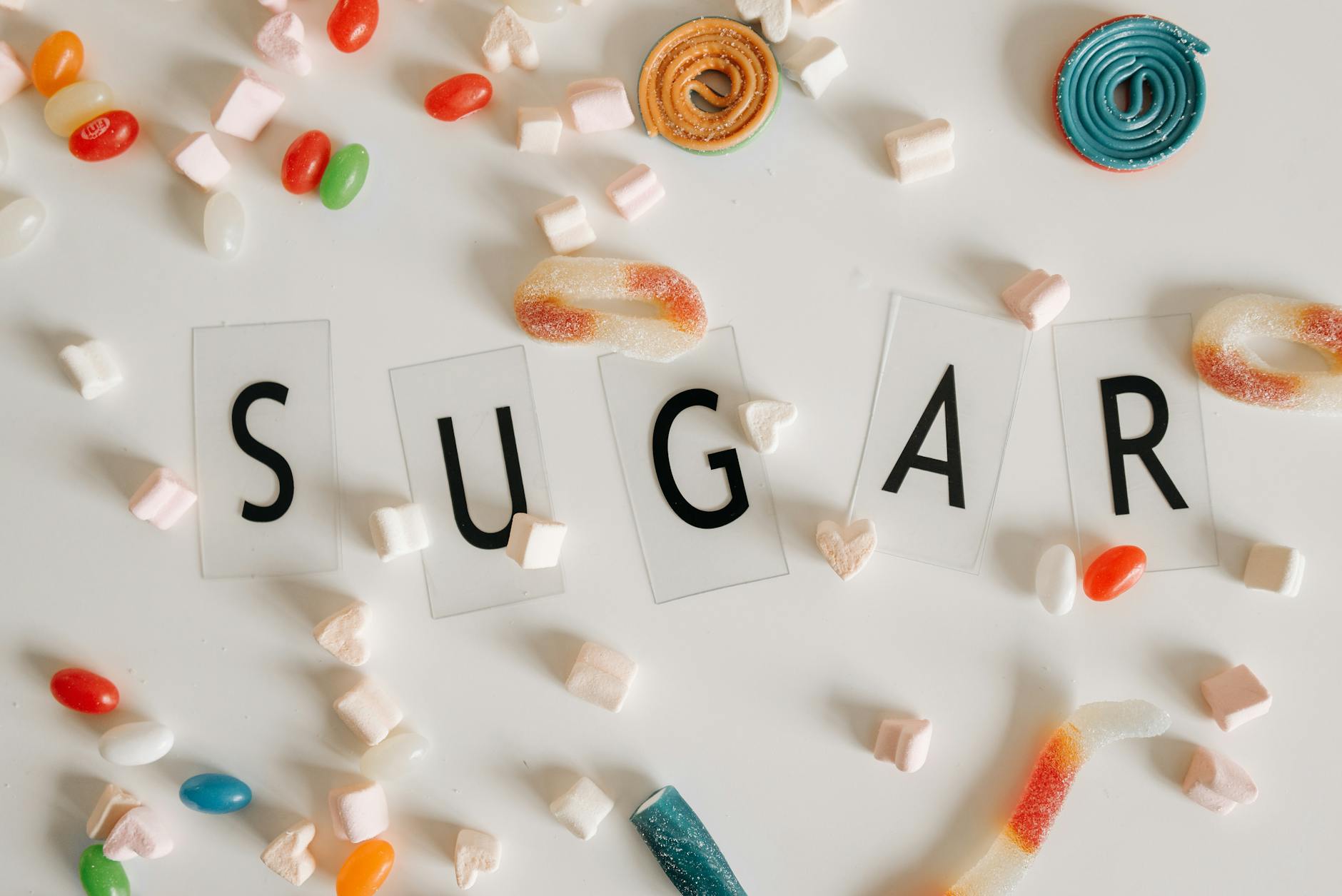
Spotting hidden sugar is only half the battle; the other half is knowing what to buy instead. The key strategy is to revert to whole, unprocessed foods whenever possible, thereby eliminating the need for manufactured ingredients altogether. Instead of a packaged snack bar, which may contain high amounts of sugar, opt for raw nuts and seeds, an apple with peanut butter (checking the nut butter label first), or a handful of olives. These choices maintain flavor and satisfying texture while relying on nature’s true sugars, which come packaged with fiber and nutrients.
When a pre-packaged snack is absolutely necessary, look for products labeled “unsweetened,” “no added sugar,” or “keto-friendly,” but always cross-reference these claims with the ingredient list. Furthermore, investigate fiber content. Snacks rich in fiber—like plain Greek yogurt with added berries or whole-grain crackers—will slow the absorption of any natural sugars, leading to a more stable energy level and a gentler impact on blood sugar than pure sugar bombs. Making these intentional swaps is how you drastically cut down on unnecessary sugar intake without sacrificing convenience.
Conclusion

Decoding hidden sugar is a skill, not a one-time task. By learning the many aliases for sweetness, knowing which snack types are high-risk, and diligently reading the nutrition facts and ingredient list, you are empowered to make purchases that truly support your health goals. Remember that every single purchase is an opportunity to choose better, healthier fuel for your body, transforming snack time from a source of guilt into a genuinely nourishing experience.


Leave a Comment