
When we talk about healthy eating, we often focus on what to add to our plates—more veggies, less sugar, better fats. However, sometimes the most important health changes are about what we minimize or avoid entirely. One item frequently found in deli cases and lunch meats, processed meat, deserves a closer look for anyone serious about gut health and long-term wellness.
What Exactly Are Processed Meats?

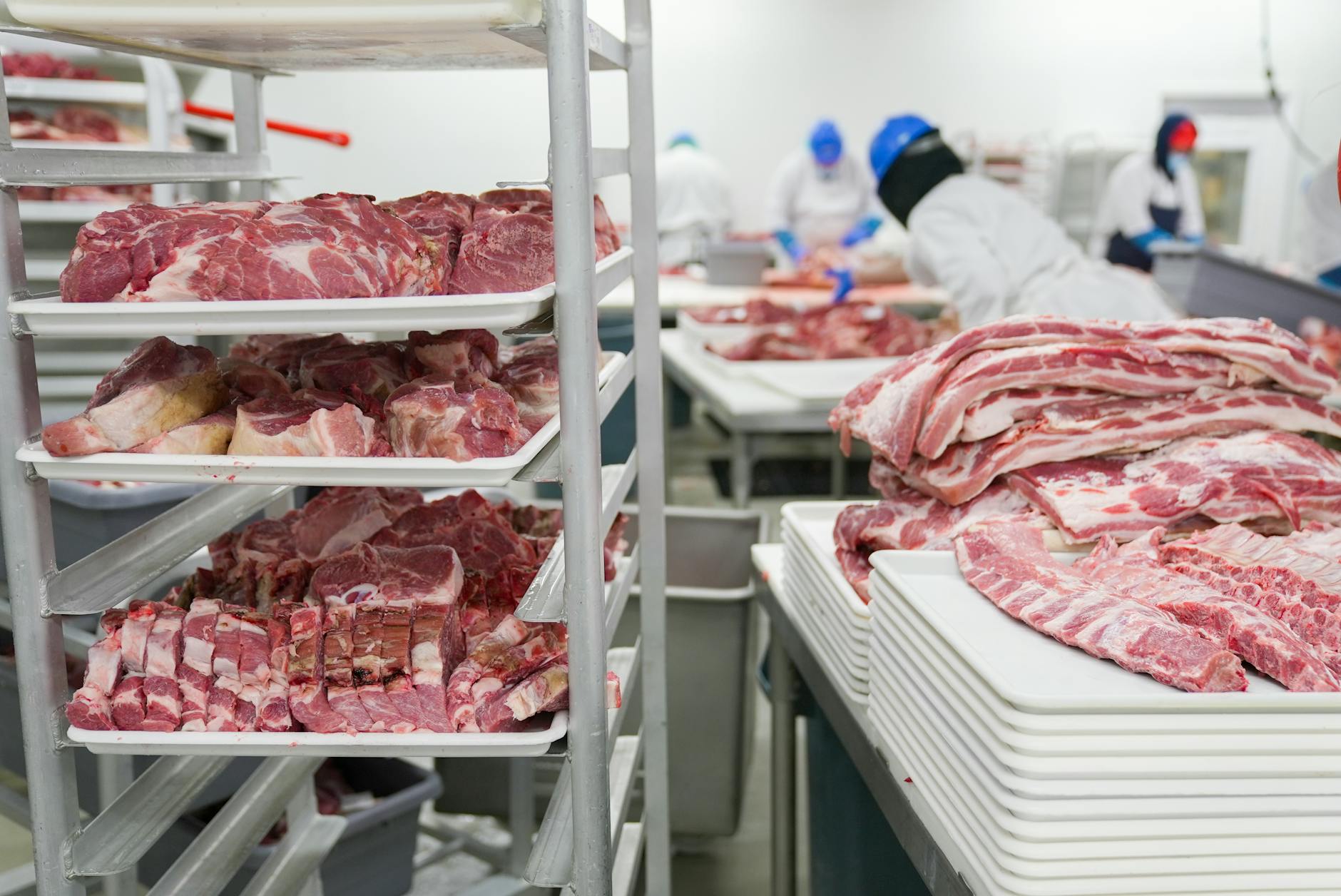
Processed meats are prepared from animal sources through various techniques, which can include curing, brining, smoking, or adding preservatives. Examples include hot dogs, bacon, lunch ham, sausage, and many deli slices. They are convenient, incredibly flavorful, and form a backbone of modern, quick-meal culture. However, “processed” is a broad term, and not all processed foods are created equal. The risk lies not just in the fact that they are processed, but in the specific additives, high sodium content, and ultra-processed nature of many commercial versions.
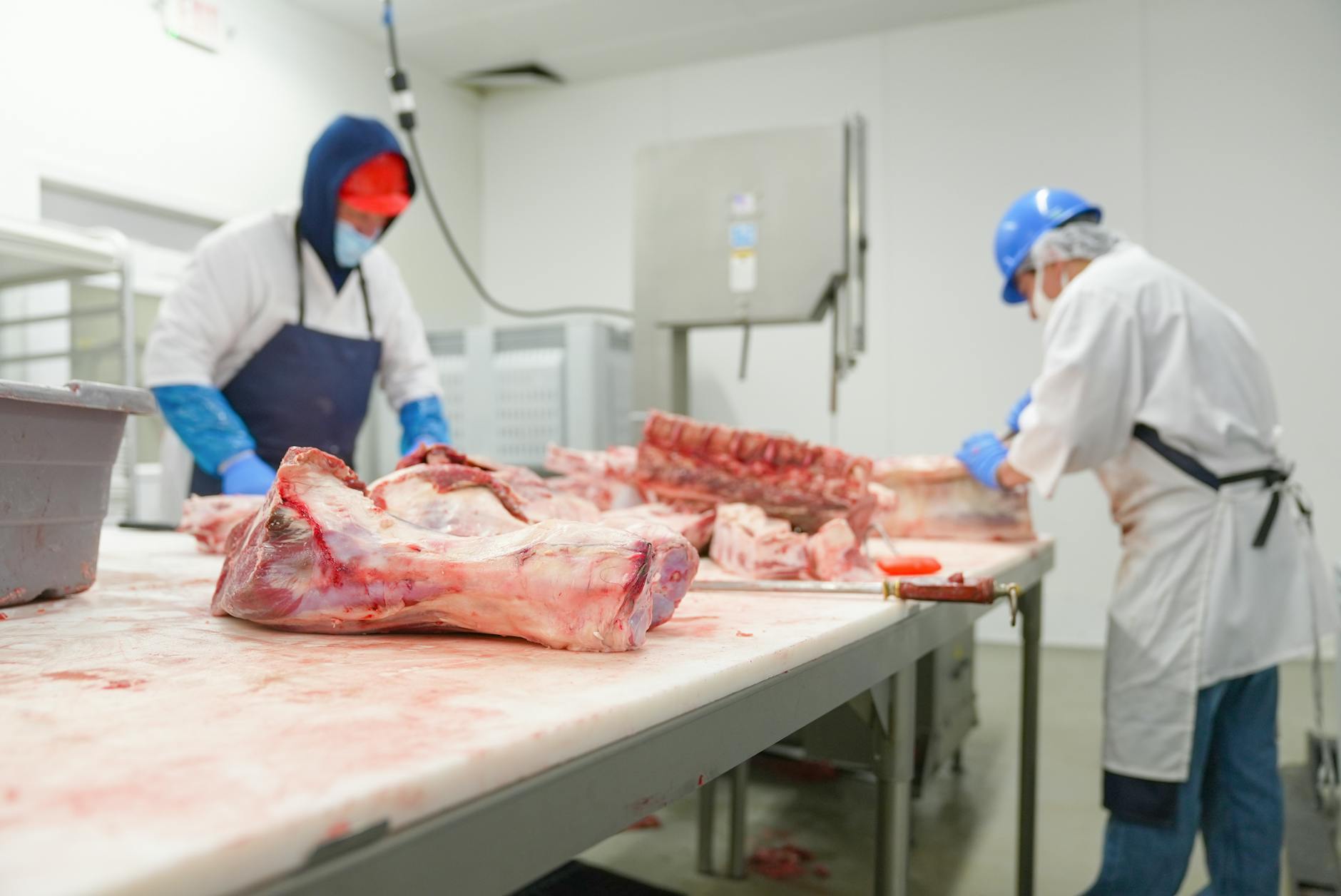
The manufacturing process often involves combining different cuts of meat with fillers, stabilizers, and chemical compounds to maintain color, texture, and shelf life. These additives, while designed to make the product appealing and last longer, are precisely what experts caution us about. For instance, if you are looking at a pre-packaged snack sausage, you can scan it on ScanifyPro. The platform will immediately show you its full nutritional breakdown and flag potential
The Scientific Connection: From Plate to Colon
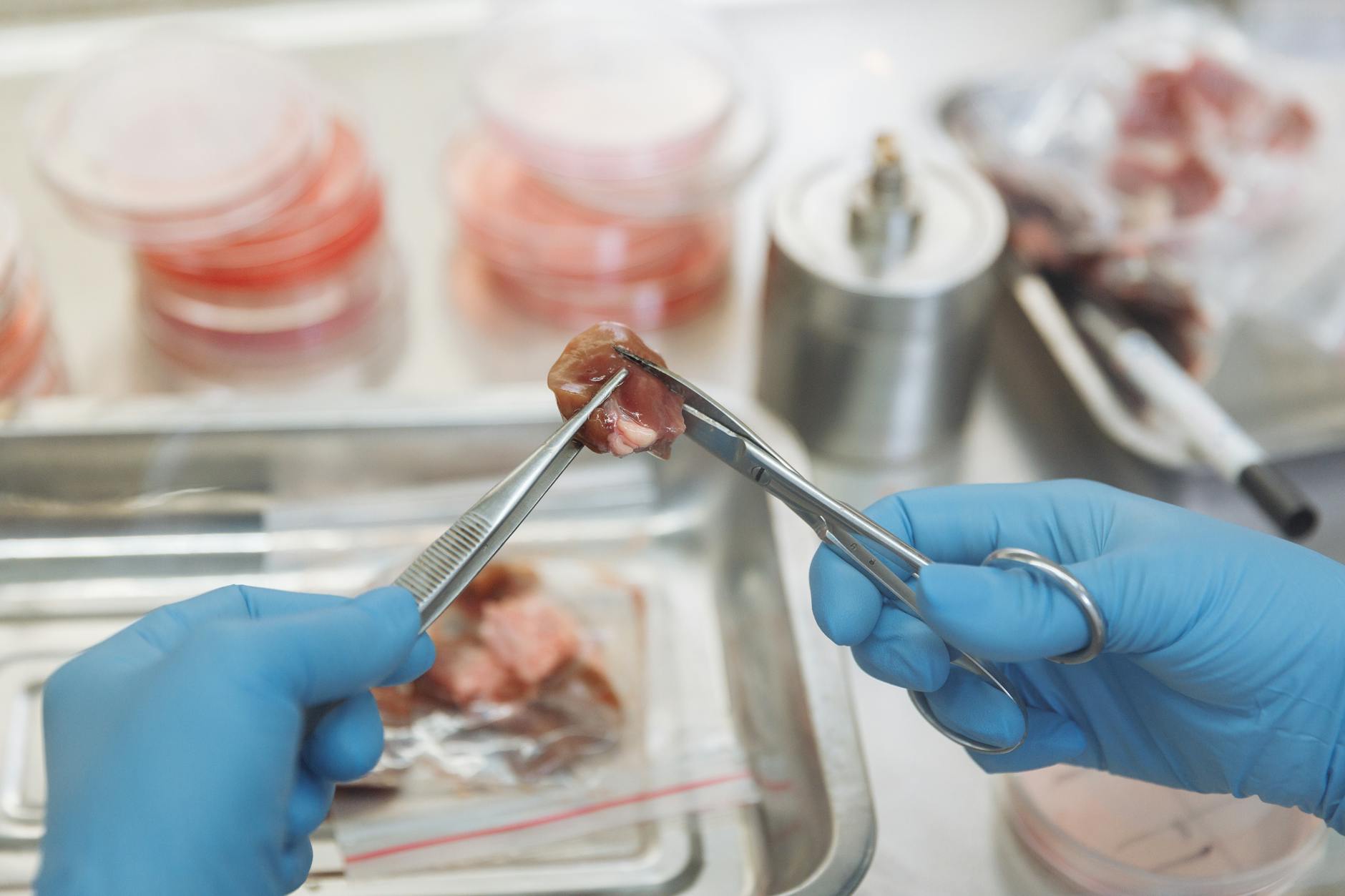
The concern surrounding processed meat and colon cancer is not based on fear-mongering, but on decades of extensive scientific research. The primary risk factors identified by researchers relate to the compounds and additives used in preservation and processing. Two major culprits often cited are nitrates and nitrites, which are common chemical preservatives used to keep meats pink and safe from bacterial growth. In the human body, these compounds can react with other molecules in the gut to form N-nitroso compounds, which have been scientifically linked to increased colon cancer risk.
Beyond the preservatives, the ultra-processed nature of these items contributes to overall dietary risk. These meats are often high in saturated fats and refined sodium, leading to excessive consumption of nutrients that irritate the digestive tract. Understanding your body’s risk profile is crucial, and while I am a content writer and not a medical professional, please remember that any dietary changes should always be discussed with your doctor or a registered dietitian. The goal of using tools like ScanifyPro is simply to empower you with detailed, instant information so you can make informed choices.
Reading Labels Like a Pro: How to Spot the Trouble
Labeling processed foods can be baffling. Manufacturers use complex ingredient names that make it difficult for the average shopper to determine if they are buying a healthy option. To truly understand what you are ingesting, you need a comprehensive analysis tool. This is where platforms like ScanifyPro become invaluable. Don’t just look at the percentage of meat; look at the full ingredient list, paying close attention to items you don’t recognize.
When you scan a processed meat product, ScanifyPro doesn’t just give you a nutritional count—it gives you a holistic view. It provides the Nutri-Score, which is an easy-to-understand letter grade (A being excellent, E being poor) that gives you an immediate visual guide to the product’s overall quality. Furthermore, the Bio Score tells you how natural the ingredients are, helping you quickly assess if the product is reliant on chemical additives versus whole, recognizable components. These scores work together to give you a clear, objective score to guide your shopping decisions.
Building a Better Plate: The Alternatives

The good news is that reducing processed meat consumption doesn’t mean sacrificing flavor or convenience. It means shifting your focus to whole, minimally processed foods. To reduce your risk while still enjoying satisfying meals, focus on high-quality plant-based proteins, fresh whole cuts of meat (when desired, and in moderation), and legumes.
When planning meals, consider substituting a deli ham wrap with a meal featuring hummus and roasted vegetables. Instead of packaged sausages, opt for grilled chicken or spiced lentils. By emphasizing categories like fresh vegetables and legumes, you boost your fiber intake, which is incredibly important for maintaining a healthy gut environment and supporting regularity. Consistency in making these swaps can significantly impact your long-term nutritional intake and overall well-being.
Remember that dietary changes are powerful, but they are also complex. Always check the ingredients of any alternative product you consider. If you are buying a packaged dairy item or a frozen snack, simply scan it on ScanifyPro to check its nutrient density and see if it contributes positively to your overall health goals.
The Bottom Line: Empowering Your Choices
Navigating the world of modern supermarket aisles can feel overwhelming, especially when health warnings are scattered everywhere. The connection between processed meat and health requires awareness, vigilance, and, most importantly, accessible information. The goal is not perfection, but progress—making better, more informed choices day after day.
By using tools like ScanifyPro, you are gaining power over your plate. You move beyond simply reading calories and start understanding the quality, the processing methods, and the potential health impact of every single food item. Always treat the information provided by ScanifyPro as helpful guidance for making better decisions, but always prioritize consulting with a qualified healthcare professional for personalized medical advice. A small effort in labeling and scanning can make a massive difference in your journey toward gut wellness.


Leave a Comment