
In the age of instant information, the hunt for the perfect deal has never been easier or more portable. Mobile technology has fundamentally changed how we shop, moving price comparison from complex research tasks to simple, handheld scans. These powerful apps empower consumers and resellers alike, giving them the market knowledge they need, right at the point of purchase.
The Core Mechanics of Scanning Price Comparison
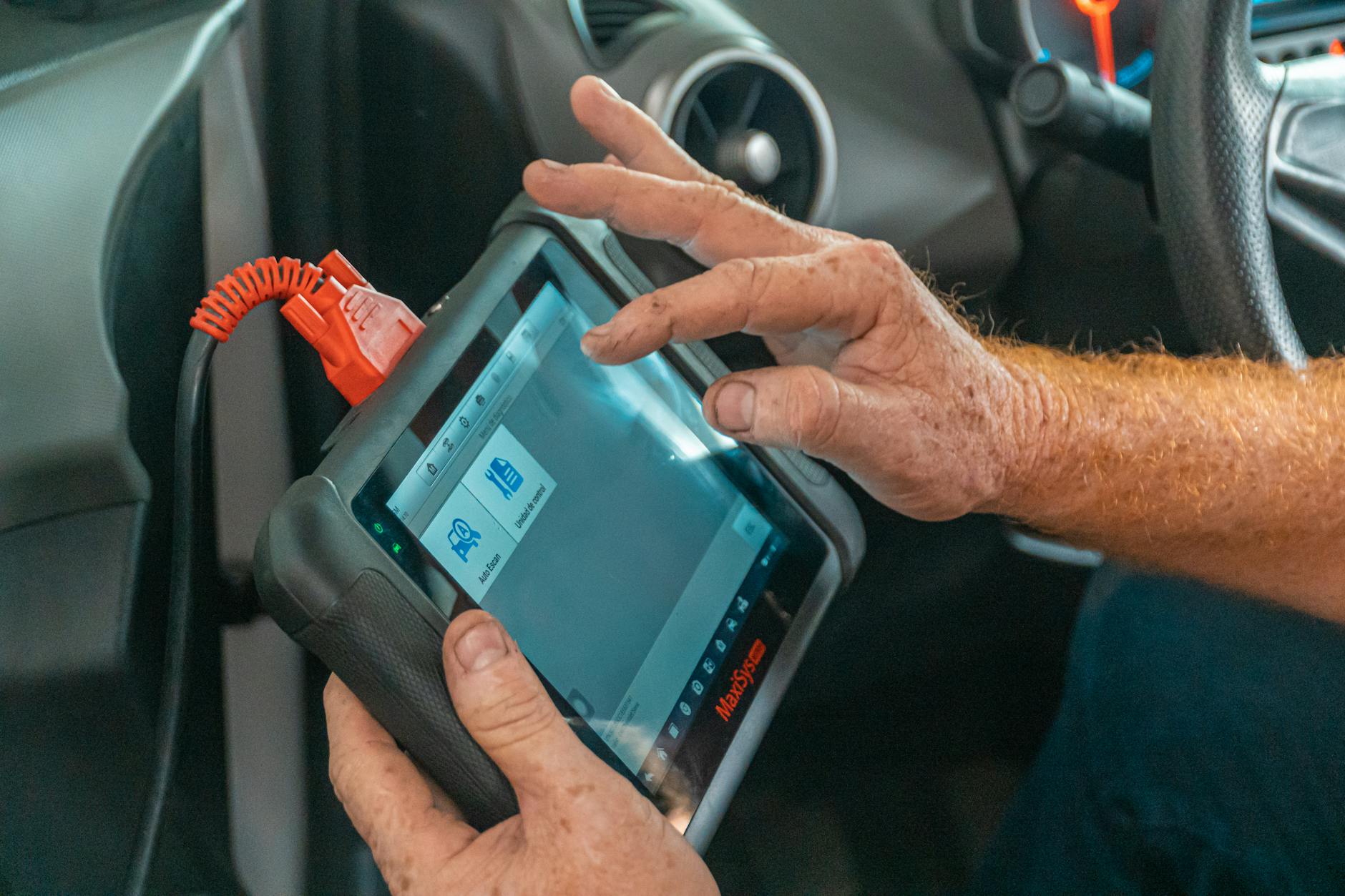
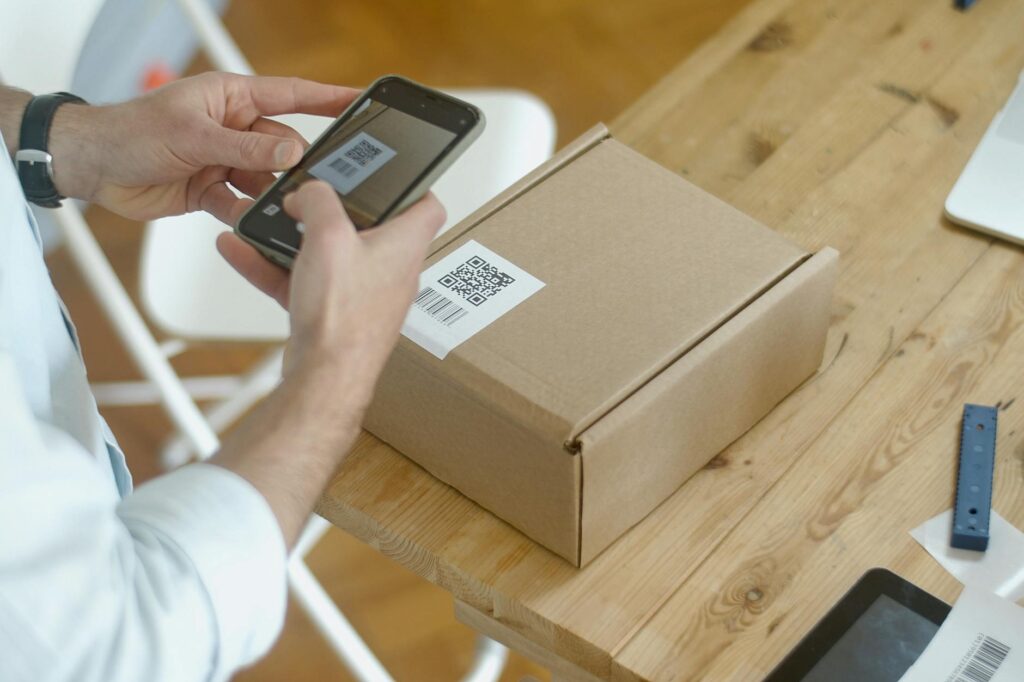
Scanning apps function as highly sophisticated digital magnifying glasses, allowing users to capture pricing information in real-time. At their core, these apps utilize Optical Character Recognition (OCR) technology combined with vast, constantly updated consumer databases. When a user aims their camera at a product tag, price sticker, or even a competitor’s flyer, the app immediately processes the visual data. It doesn’t just read the numbers; it cross-references those numbers against historical pricing data, online retail giants, and local store circulars, providing an immediate context of value. This eliminates the frustrating need to remember competitor prices or visit multiple websites, making the shopping experience instantaneous and incredibly efficient for the savvy buyer.
Beyond simple data capture, many advanced apps integrate AI to identify not only the price but also the product’s brand, model number, and even potential alternatives. If the scanner detects a specific gadget, for instance, it won’t just report the price displayed; it will instantly provide a spectrum of pricing across various retailers—Amazon, Best Buy, eBay, and even direct manufacturer sites. This comparative analysis capability is revolutionary, allowing the user to make the most informed decision without leaving the physical store. It transforms a passive shopping trip into an active, data-driven negotiation.
The utility of this technology extends far beyond merely checking the sticker price. By providing a visualized price history, these applications help consumers avoid “price anchoring,” where a high initial price makes subsequent, slightly lower prices seem like a better deal. They provide objective evidence of value, empowering shoppers to become truly knowledgeable negotiators, whether they are buying a toaster or a major appliance.
Empowering the Savvy Shopper: Finding Deals on Essentials
For the general consumer, scanning apps have transitioned from novel tech gadgets to indispensable tools for everyday budgeting and smart purchasing. Picture navigating a hardware store or a grocery aisle; instead of simply accepting the shelf price, the shopper can point their phone at a household item and instantly see if a bulk purchase at a different store, or a clearance item online, offers significant savings. This immediate access to multi-point pricing data prevents impulse buys based solely on proximity or attractive shelf placement, ensuring that every dollar spent is a dollar well-spent.
These apps are particularly helpful when comparing groceries or toiletries, sectors where price variability can be enormous. A simple product search can reveal that a specific brand’s equivalent at a discount store might perform equally well but save the shopper twenty percent or more. This capability is crucial for managing household budgets, especially for families or those with limited incomes, turning the act of shopping into a strategic quest for optimal value. It democratizes access to deal-finding technology, making high-level consumer research available to everyone.
Furthermore, the visual aspect of scanning adds a layer of confidence to the shopping experience. When a consumer can validate a price point immediately through a credible digital source, they feel empowered. This confidence is priceless, reducing consumer anxiety about overpaying and encouraging a more rational, needs-based purchasing habit. In essence, the scanner acts as a trusted, pocket-sized market intelligence analyst, guiding the consumer straight to the deepest available discounts.
The Reseller Revolution: Value Detection for Flea Market Hunters

For the reseller community—whether they are professional antique dealers, flea market vendors, or hobbyists flipping goods online—scanning apps are nothing short of game-changers. Their primary function shifts from just finding low prices to accurately establishing *market value*. A collector encountering a vintage piece of furniture or a discontinued electronic item can use the app to scan identifying marks and instantly see comparable sales data from platforms like eBay or specialized auction houses. This prevents the costly mistake of underpricing a desirable item or, conversely, overpaying for a piece that is already priced optimally.
The true power for resellers lies in the ability to perform real-time due diligence. Instead of relying on general knowledge or outdated valuation guides, they have access to granular data regarding the current market appetite for specific goods. They can instantly determine if the price tag they are looking at reflects the item’s true worth or if the seller has grossly overestimated its value. This ability to quickly vet an item’s worth is critical for maintaining healthy profit margins, transforming the reseller from a lucky guesser into a data-driven commodity trader.
Furthermore, these apps help resellers source materials for specific niche markets. For example, if a buyer is looking for vintage sewing supplies, the scanner can confirm if a lot of mixed buttons or threads is currently undervalued compared to specialized listings. This maximizes profitability by allowing resalers to identify overlooked goldmines of value. They move beyond simply finding *a* deal to finding the *best possible* deal, increasing their overall efficiency and earning potential significantly.
Beyond Price: Comparing Value Metrics and Warranties
Modern scanning apps are evolving beyond simple price points. They now incorporate complex value metrics, moving past a mere dollar comparison to assess overall product worth. This might involve comparing not just the base cost, but the cost relative to energy efficiency ratings, warranty length offered by different retailers, or even the overall carbon footprint of the product. For eco-conscious shoppers, this added dimension of data is invaluable, allowing them to make choices that align with their ethical standards without sacrificing budget.
Another crucial function is the comparison of warranty and return policies. A physical price might appear low, but if the seller offers no warranty, the true cost to the consumer is significantly higher due to potential replacement expenses. By scanning and comparing these ancillary services, the apps ensure that the shopper is receiving a holistic view of the purchase, one that accounts for post-sale support and buyer protection. This preventative measure saves the consumer from expensive headaches down the line.
The seamless integration of these comparative tools means that shoppers no longer have to juggle multiple mental calculations or physical receipts. The information is delivered in a clean, comparative dashboard format—for example, showing a clear breakdown: “Retailer A: $50 (2-year warranty); Retailer B: $35 (90-day warranty).” This clarity helps consumers prioritize value—determining if the initial savings of $15 are worth the reduced protection and security of the product over time.
Conclusion: The Future of Frictionless Commerce

The adoption of scanning technology for price comparison marks a major shift toward a more transparent and consumer-centric retail landscape. These apps have democratized market intelligence, taking the exclusive knowledge previously held by professional appraisers or seasoned resellers and putting it directly into the hands of every smartphone owner. They empower consumers to negotiate with confidence, minimizing overspending and maximizing their buying power.
As AI and OCR technology continue to improve, these apps will become even more sophisticated, potentially comparing usage rates, predicting product lifespans, and even suggesting maintenance schedules based on the item’s type. The result is a future of truly frictionless commerce, where the biggest hurdles—uncertainty and the fear of overpaying—are digitally removed. For shoppers and resellers alike, these scanning apps are not just tools; they are essential partners in the pursuit of the perfect, best-value bargain, ensuring that every transaction is a smart, informed choice.


Leave a Comment