
Warehouse efficiency is the backbone of modern logistics, determining how quickly and accurately goods move from shelf to customer. Poorly organized facilities lead to wasted time, increased labor costs, and frustrated staff. Fortunately, modern technology offers powerful solutions that can transform chaotic storage areas into streamlined, high-performance hubs.
Implementing Optimal Warehouse Layout and Zoning
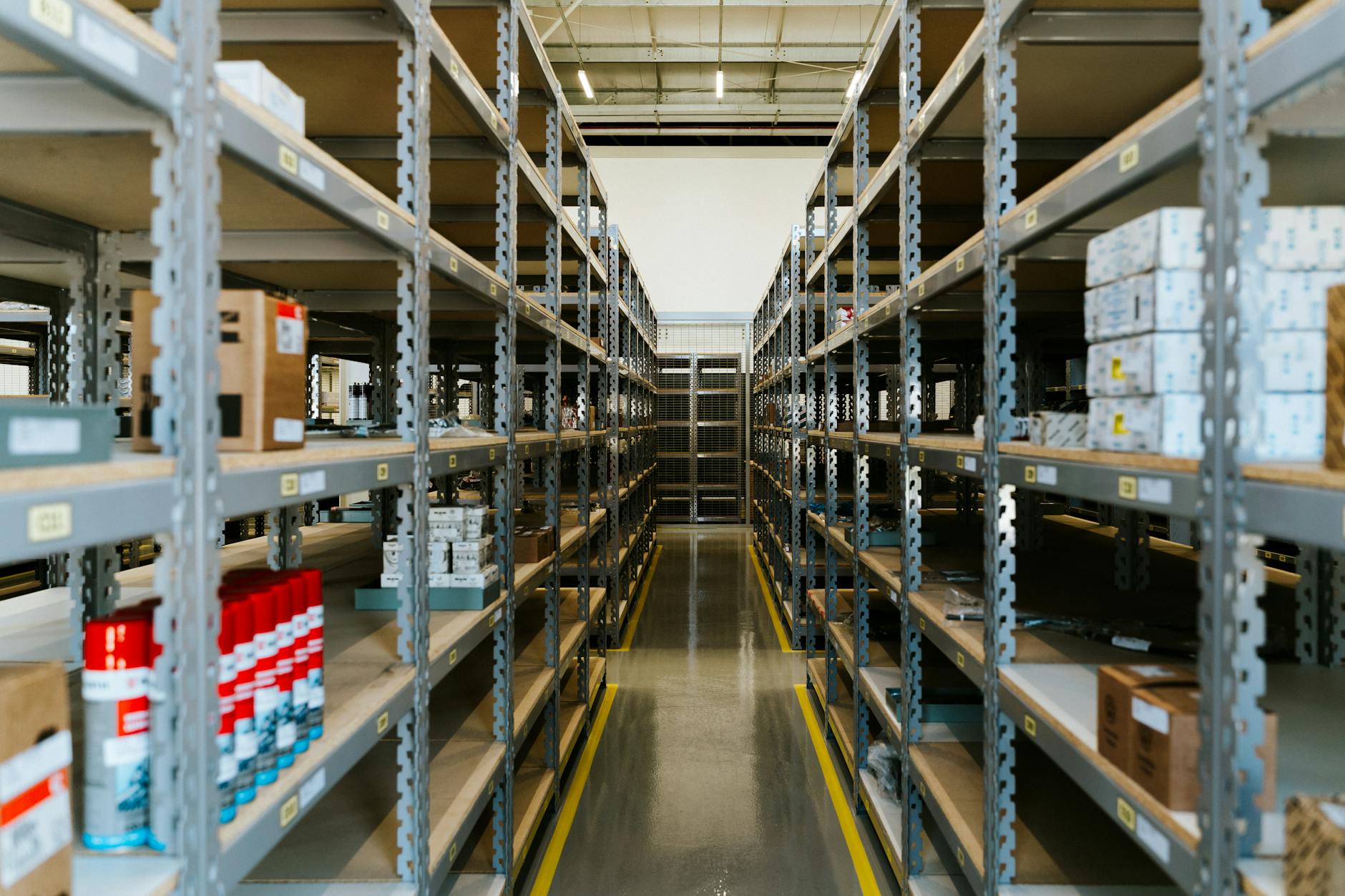
The foundational step to any organized warehouse is planning the physical layout. Instead of simply stacking inventory wherever space allows, advanced organizations employ systematic zoning. Zoning means classifying areas based on product velocity—placing high-demand, fast-moving items (A-movers) closest to the packing stations and minimizing travel time. This strategic placement not only reduces physical distance but also streamlines the picking workflow, grouping similar product types together. Proper aisle width and clear pathways are equally critical, ensuring that material handling equipment, whether automated or manual, can navigate the space safely and swiftly without bottlenecks. A thoughtful layout minimizes the ‘walking time,’ which often accounts for a surprisingly large percentage of total labor hours. By adopting a methodical approach to slotting, managers can ensure that the initial physical setup supports the ultimate goal: maximum picking throughput and minimal operational friction.
Beyond mere zoning, consider optimizing vertical space. Many warehouses treat shelving as a simple commodity, but maximizing vertical storage capacity with appropriate racking systems can dramatically increase density without sacrificing accessibility. Choosing the right racking—such as flow racks for smaller items or deep-pallet racking for bulk goods—is essential. Furthermore, implementing clear visual cues, such as floor markings and color-coded zones, reinforces the physical organization. These markers serve as immediate visual aids for staff, reducing the time spent searching for the correct location. Pairing this thoughtful physical planning with a comprehensive inventory management system ensures that the stored location data always matches the physical reality, laying a robust groundwork for technological implementation.
An effective layout must also account for the flow of goods, not just their static storage. Dedicated receiving, staging, and shipping zones prevent congestion and streamline the handoff process. When picking items, staff should ideally follow a predetermined, logical route (like a serpentine pattern) that takes them through the necessary zones sequentially. By treating the entire warehouse as a continuous, optimized workflow, organizations move past simple storage and toward a complex, integrated logistical machine. This meticulous planning ensures that mobile scanning equipment is deployed in an environment where its capabilities can be fully exploited, turning the physical space into a true asset for speed and efficiency.
Leveraging Mobile Scanning for Real-Time Inventory Accuracy

The core function of mobile scanning technology is to provide real-time, verifiable data about inventory location and status. Instead of manual logging or reliance on potentially inaccurate paper records, handheld scanners eliminate human error at the point of entry or retrieval. When a picker arrives at a specific location, they scan the SKU barcode and the location barcode simultaneously. This two-point verification confirms not only *what* item should be there, but *if* it is actually there. This instantaneous verification capability allows warehouse managers to maintain an inventory record that is always accurate, allowing them to trust the system’s instructions and optimize routes with confidence. This shift from reactive record-keeping to proactive, real-time data capture is arguably the most significant leap in modern warehouse management.
Accuracy isn’t limited only to tracking existing stock; it dramatically improves cycle counting processes. Instead of waiting for quarterly physical counts—which are labor-intensive and disruptive—mobile scanners enable continuous, targeted cycle counting. Staff can quickly scan individual items or entire racks, flagging discrepancies immediately. This rapid identification of stock imbalances or misplacements allows managers to correct the underlying organizational fault before it impacts customer orders. Furthermore, some advanced scanning systems integrate voice picking or guided picking instructions, which directs the picker using the scanner interface to the exact spot, reducing the need for staff to recall complex warehouse maps or relying on memory. This level of guidance drastically lowers the probability of picking the wrong item or from the wrong location.
- Barcode Reliability: Scanners read barcodes instantly and reliably, minimizing data entry time.
- Error Proofing: Mandatory scanning forces staff to verify both location and item type.
- Real-Time Feedback: Managers receive instant alerts on inventory discrepancies.
Optimizing the Picking Process with Guided Technology

The picking stage is typically the most labor-intensive and the greatest bottleneck in a warehouse. Mobile scanning, when paired with sophisticated Warehouse Management Systems (WMS), transforms picking from a manual hunt into a guided, optimized operation. The WMS utilizes the scanner to generate the most efficient pick list possible, often consolidating multiple orders into a single optimized route. Instead of picking items for three different customers in three different areas, the system groups those items geographically, allowing the picker to complete multiple tasks in one consolidated journey. This concept, known as order batching or wave picking, dramatically reduces total travel distance and associated labor costs. The scanner guides the worker sequentially, preventing them from veering off-route or missing necessary items.
Furthermore, the scanning capability introduces levels of complexity that previous systems could not manage, such as kitting and verification picking. When a customer order requires multiple components (a kit), the picker can scan each component individually before moving to the next order, providing a digital chain of custody. This detailed verification prevents incomplete orders—the dreaded ‘missing part’ failure—and ensures that the contents match the purchase order precisely. Moreover, advanced systems can even verify quantity by allowing the staff to scan the pallet or carton, while the scanner logs the correct count against the order. This multilayered verification system builds deep confidence in the data, leading directly to faster packing times and fewer costly returns.
Staff training is equally vital when integrating guided picking systems. Workers must understand not just how to operate the scanner, but the logic behind the WMS instructions. Training should emphasize efficiency and accuracy, teaching staff how to process the pick list optimally. Utilizing technology doesn’t replace human expertise; it augments it, allowing the human worker to focus solely on the physical movement and quality check, while the system handles the complex mapping, routing, and data recording. This synergy is what drives monumental gains in pick rate.
Accelerating the Packing and Shipping Workflow
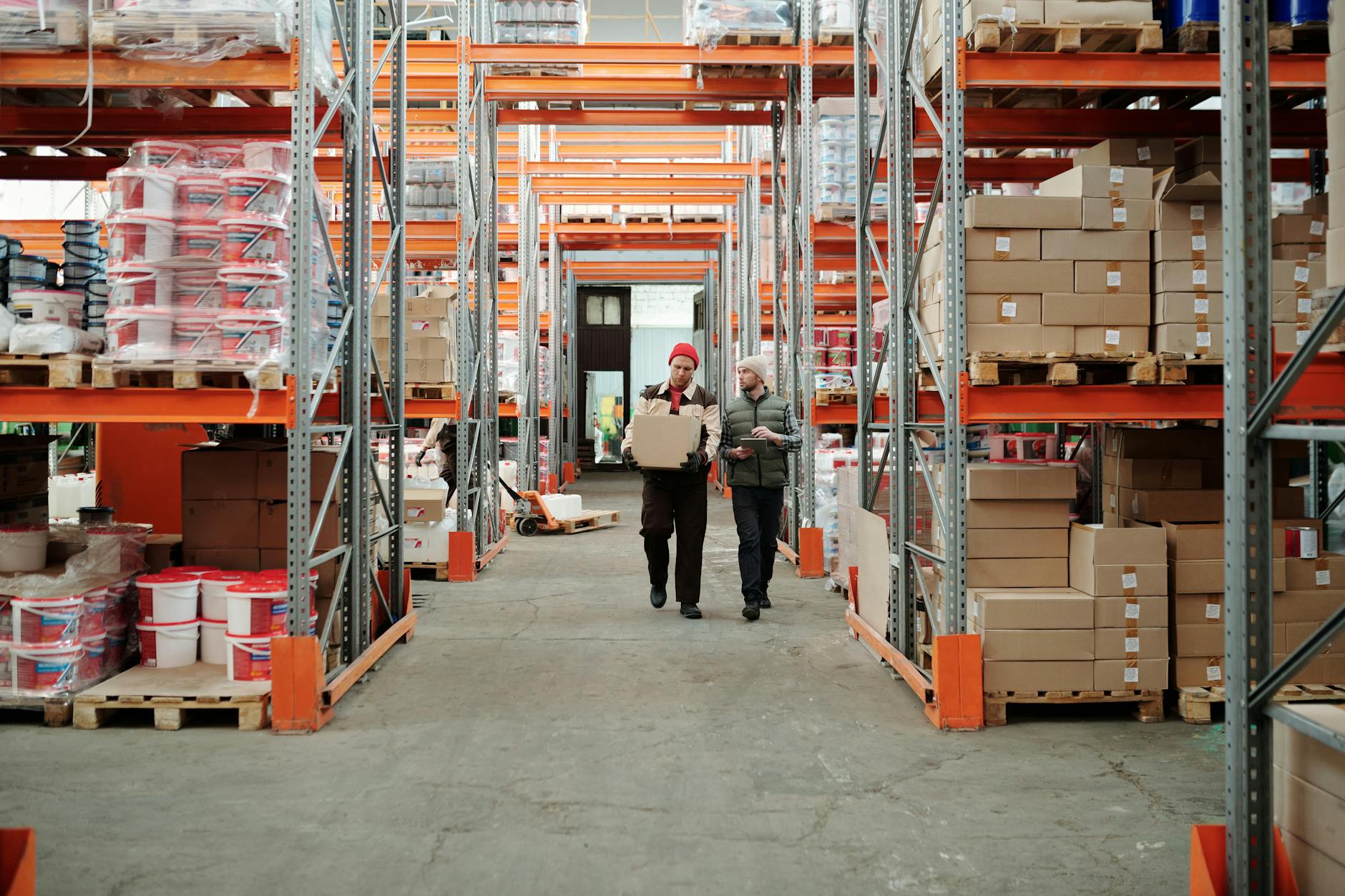
The journey doesn’t end when the item is picked; the packing and shipping stage requires equal precision and speed. Mobile scanning tools play a critical role here by confirming that the right items arrived at the packing station and that the correct quantity was received from the picking team. When items are scanned upon arrival at the packing area, any discrepancies between the picked inventory and the required order are flagged instantly, allowing personnel to investigate the root cause—a potential mispick or a system error—before the box is sealed and shipped. This proactive quality control function saves massive amounts of time that would otherwise be spent handling customer complaints about incorrect shipments.
Beyond simple confirmation, modern scanners manage complex shipping requirements, such as labeling and customs documentation. The scanning process can integrate directly with shipping carrier APIs. Once the final box contents are scanned and verified, the system can automatically generate the correct shipping labels, calculating tariffs and integrating tracking numbers in a single workflow. This digital handoff drastically cuts down on the manual administrative effort that historically bottlenecked the loading dock. Staff members can dedicate their time to the physical act of boxing and loading, knowing that the backend documentation is being handled seamlessly by the synchronized technology.
By maintaining continuous scanning validation from the point of pick to the moment of ship, the entire operation creates a documented digital trail. This comprehensive record not only fulfills customer requirements but also provides valuable analytics. Managers can track metrics such as ‘time spent per order,’ ‘picks per hour,’ and ‘error rates by picker.’ These data points allow for continuous process improvement, identifying which parts of the warehouse workflow are slowing down the operation and where targeted training or layout changes are most needed to maximize future efficiency.
Maximizing Return on Investment and Continuous Improvement
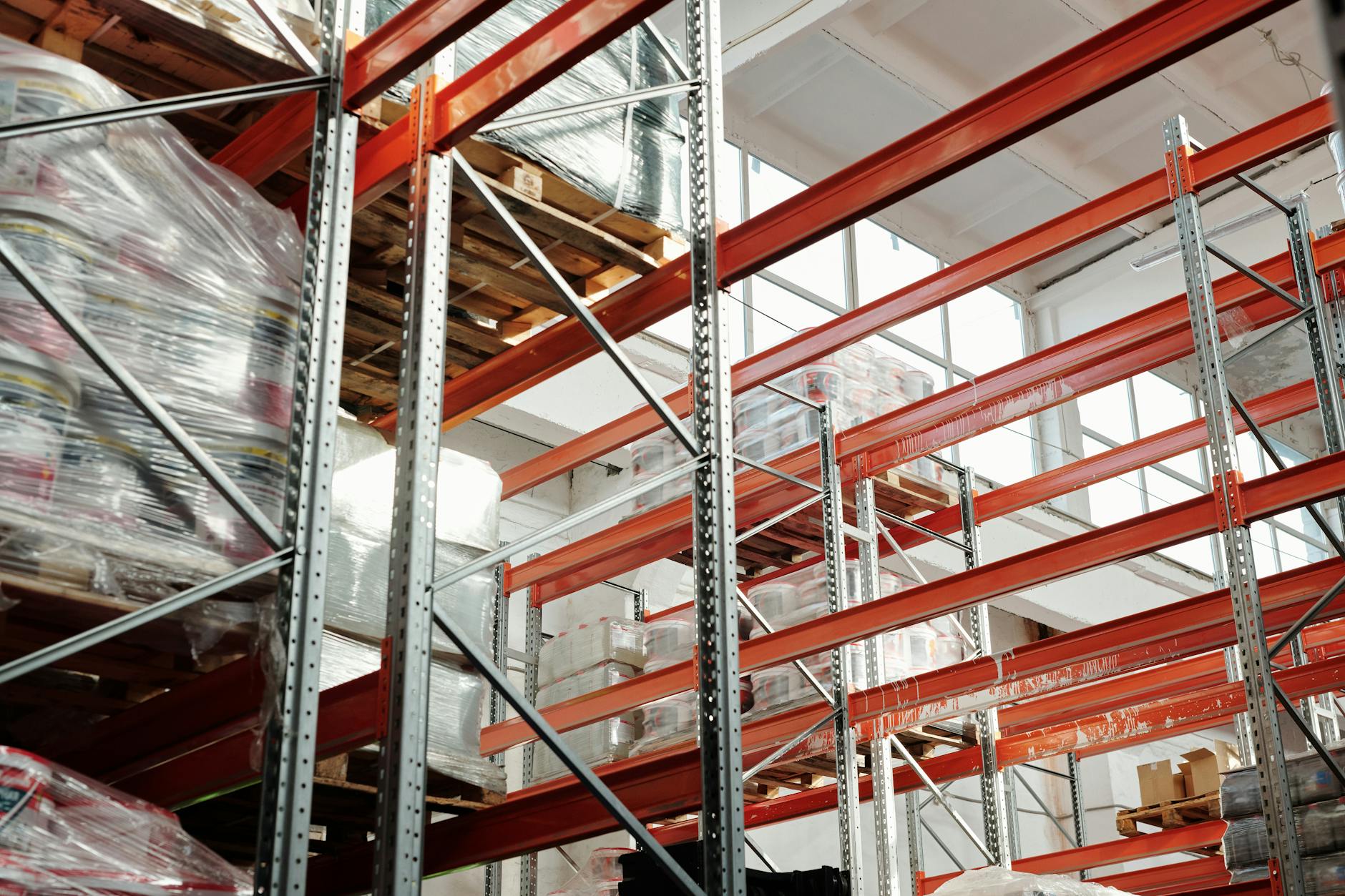
The initial investment in mobile scanning equipment and a robust WMS can seem substantial, but the return on investment (ROI) is realized rapidly through efficiency gains. The primary areas of return are reduced labor costs—because pickers spend less time searching and more time moving—and minimized operational errors, which saves costs related to re-shipping, returns, and customer service remediation. Furthermore, accurate, real-time data allows the business to optimize its inventory forecasting, reducing instances of overstocking costly items or facing shortages on high-demand goods. This strategic data utilization allows the warehouse to operate leaner and more resiliently.
To ensure sustained success, the organization must treat its systems and technology as living assets. This means implementing continuous improvement cycles. Periodically, managers should review the peak performance data gathered by the scanning system. Are certain aisles consistently slower? Is a specific picking task generating a high volume of errors? Using the data gathered by the technology, the organization can adapt the physical layout, refine the picking algorithms within the WMS, or adjust the staffing model. This dedication to iterative improvement transforms the warehouse from a cost center into a measurable, profit-generating department.
In conclusion, effective warehouse organization is no longer just about neat stacking; it is a highly orchestrated, technologically managed process. By combining strategic physical zoning, guided workflows, and the undeniable accuracy of mobile scanning, companies can build a logistics operation capable of meeting the rapid demands of the modern market. Embracing these integrated strategies ensures that every step—from receiving the raw goods to shipping the final package—is executed with maximum speed, minimal friction, and absolute reliability.





Leave a Comment