
The high initial investment required for traditional Point of Sale (POS) hardware often presents a major financial hurdle for growing small businesses. Fortunately, modern mobile technology and sophisticated barcode scanning apps have emerged as powerful, cost-effective alternatives, allowing businesses to achieve full retail functionality without breaking the bank.
The Financial Case for Mobile Scanning
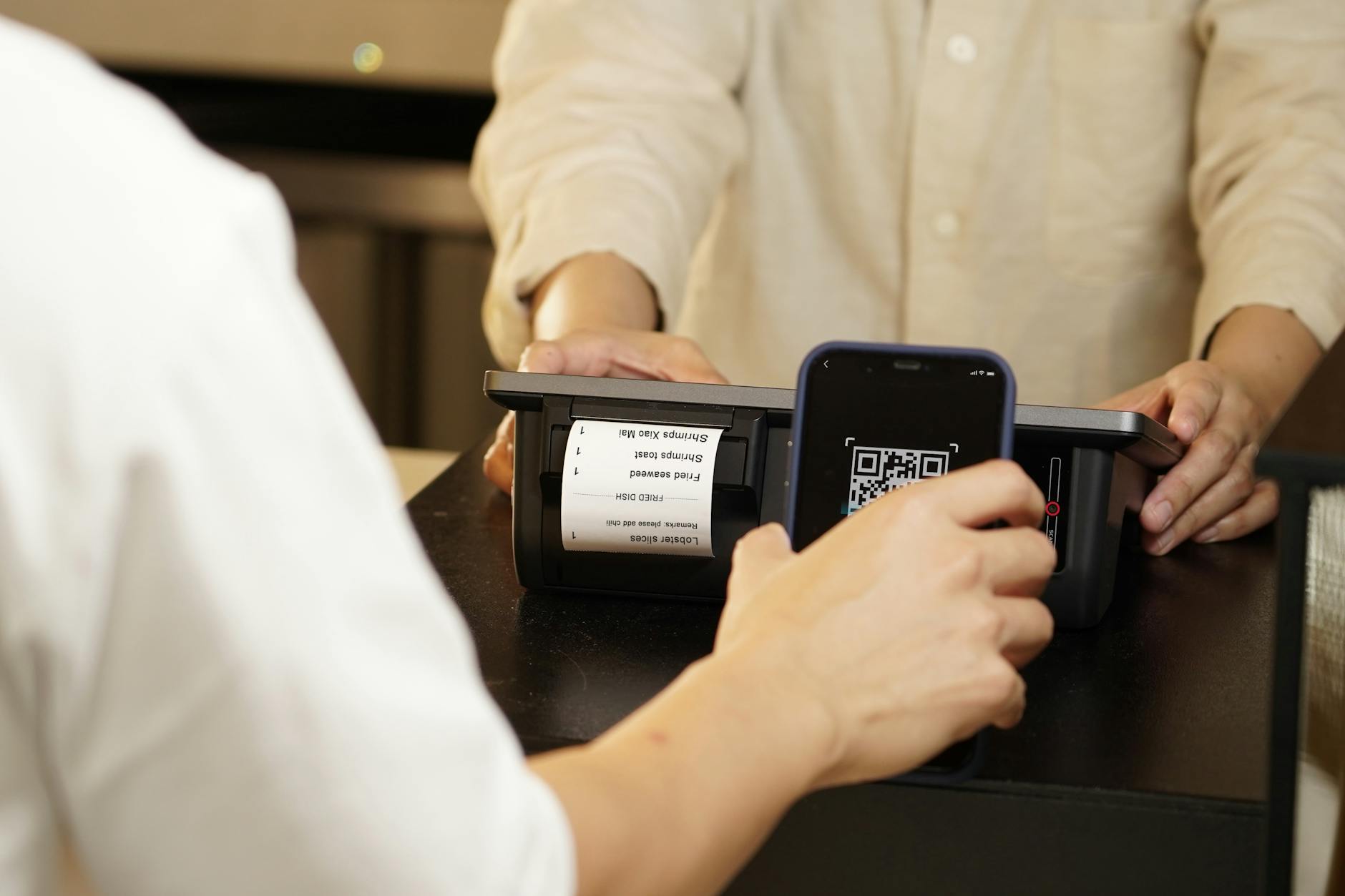
For small businesses operating on tight margins, the upfront cost of dedicated POS terminals, card readers, and integrated inventory management systems can feel prohibitive. These systems, while reliable, often come bundled with expensive long-term contracts and mandatory proprietary hardware. Transitioning to a cloud-based, mobile scanning solution drastically lowers the entry barrier. Instead of sinking thousands into physical infrastructure, owners can utilize readily available tablets or smartphones. These apps connect to online payment gateways, allowing for secure, compliant transactions while eliminating the necessity of specialized, bulky hardware. This immediate reduction in capital expenditure frees up working capital, which can then be reinvested into core business growth areas like marketing or staff training. The savings alone often allow the small business to break even on the technology investment within the first few months of operation, providing an unparalleled return on investment compared to traditional hardware models. The shift represents not just a change in equipment, but a fundamental rethinking of operational efficiency, prioritizing agility and low overhead.
Furthermore, the flexibility provided by mobile POS systems cannot be overstated. Traditional fixed hardware restricts a business to a single, designated checkout area. In contrast, a mobile scanning setup allows staff to process payments and scan inventory anywhere within the retail space—be it a pop-up market, a backroom staging area, or even an outdoor stall. This increased portability enhances the customer experience by allowing staff to manage bulk sales or multi-item pickups quickly and efficiently. Cloud-based synchronization means that regardless of where a transaction or inventory update occurs, the data is instantly centralized and available to managers viewing the dashboard from anywhere. This seamless, decentralized operational capability is critical for modern businesses that often need to adapt their selling points quickly, whether due to seasonal demands or unforeseen logistical changes. The adaptability is key to long-term sustainability.
Beyond simple cost savings, adopting mobile applications ensures better scalability. As the business grows, the technology grows with it. Adding a new user simply requires installing the app on another device and setting up credentials, rather than purchasing and wiring an entirely new terminal. This modular approach means the business is never limited by the physical capacity of its tools. Moreover, many top-tier scanning apps integrate with existing e-commerce platforms, unifying the in-store and online shopping experience under one digital roof. This integration is vital for omnichannel retailers, allowing the use of ‘click and collect’ models seamlessly. By embracing these apps, small businesses are not just buying a cheaper scanner; they are buying a scalable, future-proof operational backbone that can evolve with their ambitions.
Streamlining Inventory and Stock Control
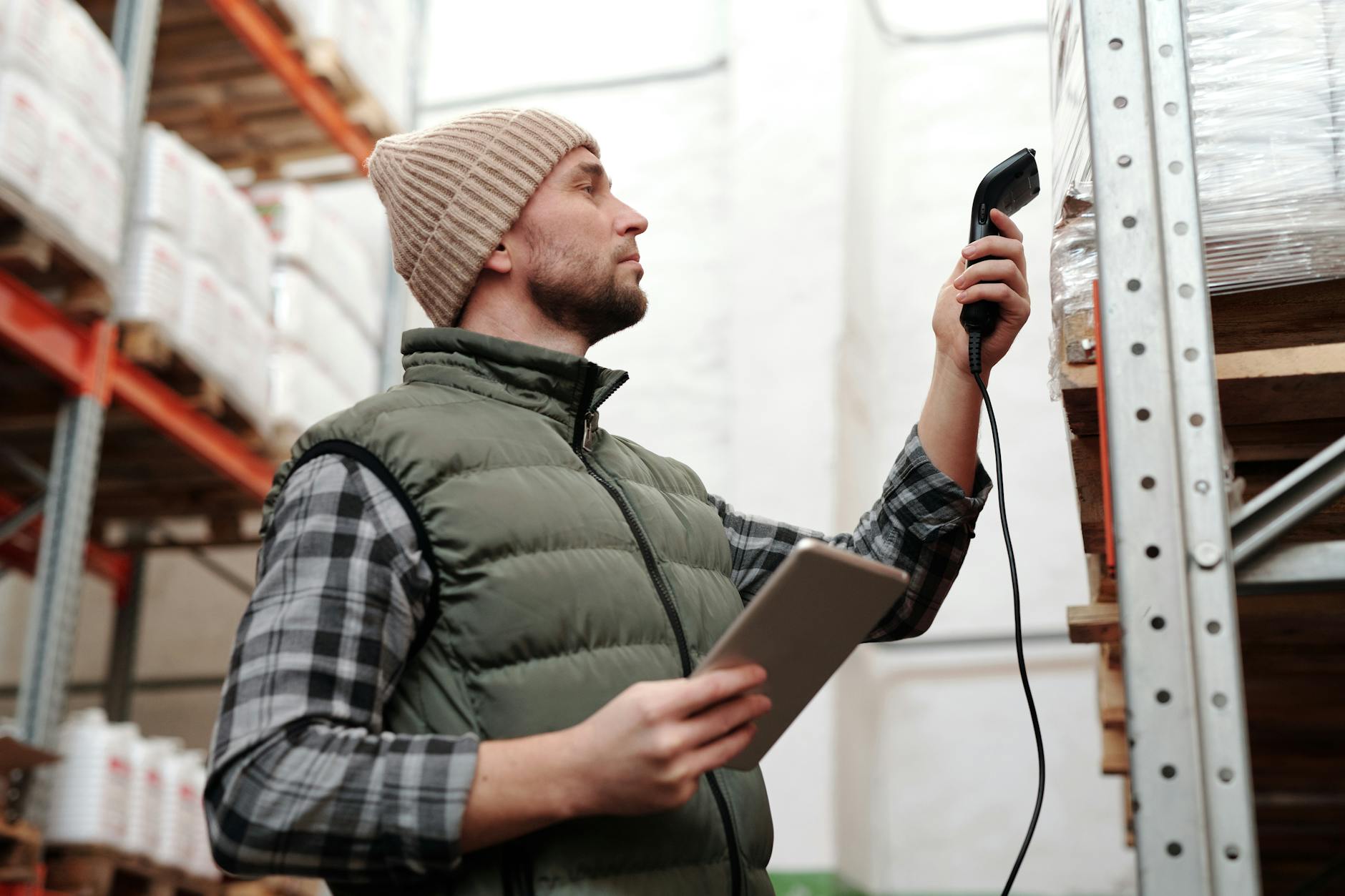
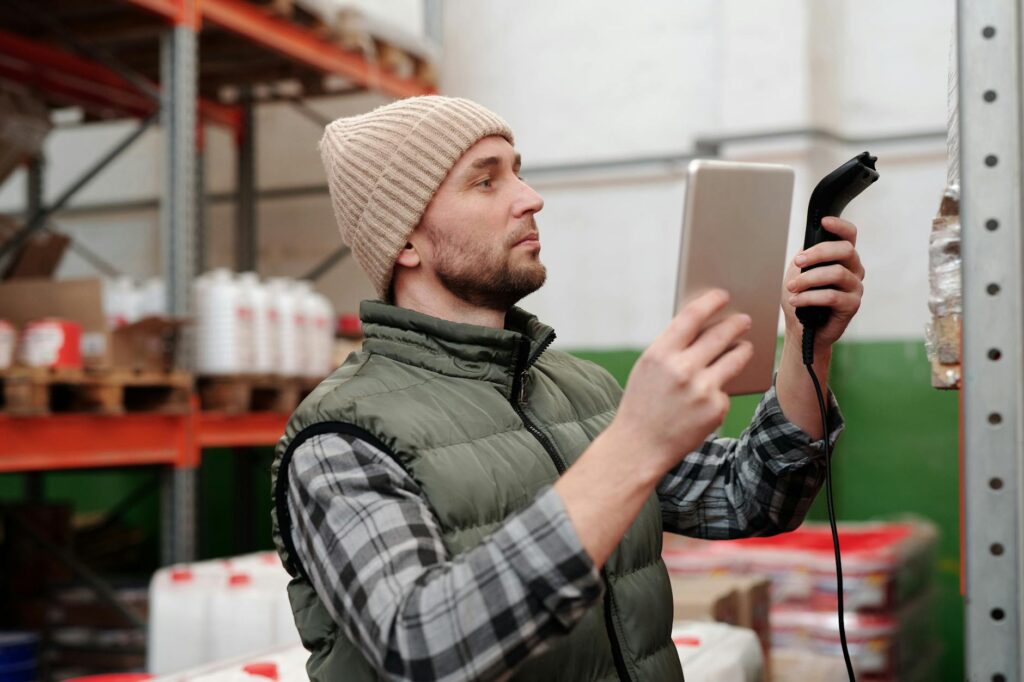
One of the most significant areas where expensive POS hardware traditionally offered deep, integrated functionality was inventory management. Manual or outdated methods of tracking stock are notorious for leading to costly errors, such as miscounted items, overlooked shrinkage, or difficulty identifying genuine product availability. Modern barcode scanning apps revolutionize this process by providing real-time, granular inventory visibility. Simply scanning a UPC or SKU barcode immediately updates the digital stock count. This level of precision is invaluable for small businesses that deal with diverse, rapidly moving inventory. Instead of relying on periodic physical counts that consume staff hours and interrupt operations, the inventory is managed continuously at the point of transaction or receiving. This automated tracking minimizes human error and provides staff with an accurate, up-to-the-minute picture of what is on the shelf, maximizing sales potential.
The inventory function within these mobile apps often extends far beyond simple counting. They can manage multiple warehouse locations, track serial numbers for high-value items, and automatically trigger low-stock alerts. When an item’s stock count falls below a predetermined threshold, the system immediately notifies the manager, streamlining the reordering process. This proactive management capability ensures that popular products never unexpectedly run out, a scenario that can result in lost sales and customer dissatisfaction. Furthermore, these apps often support advanced features like batch scanning, allowing employees to quickly scan dozens of similar items—such as packaged goods or small crafts—to update quantities in seconds. This exponential improvement in efficiency dramatically reduces labor costs associated with inventory management, allowing staff to focus on customer interaction rather than paperwork.
Moreover, integrated inventory scanning facilitates advanced reporting and financial reconciliation. By linking inventory movement directly to sales data, managers can pinpoint exactly which products are moving fastest, which are gathering dust, and which product lines are consistently profitable. This data-driven insight is critical for optimizing purchasing power and refining product mix, allowing the small business owner to purchase only what they need, when they need it. This strategic purchasing ability minimizes capital tied up in stagnant stock. The ability of a mobile app to manage the entire product lifecycle—from receiving the shipment scan to the final sale scan—makes it an indispensable, powerful tool that rivals the functionality of dedicated, high-cost enterprise hardware, all while maintaining remarkable flexibility and affordability.
Enhancing the Customer Experience
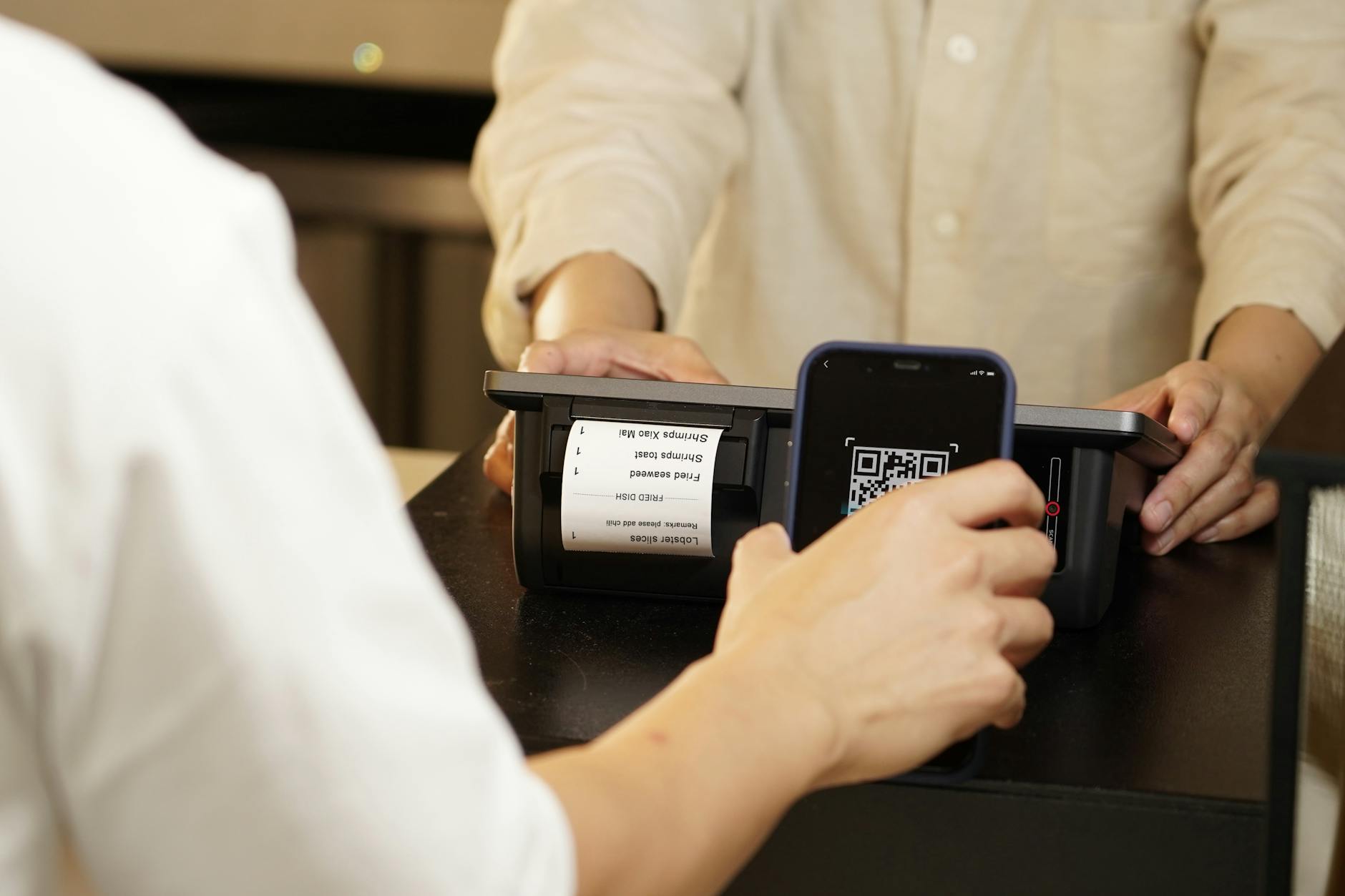
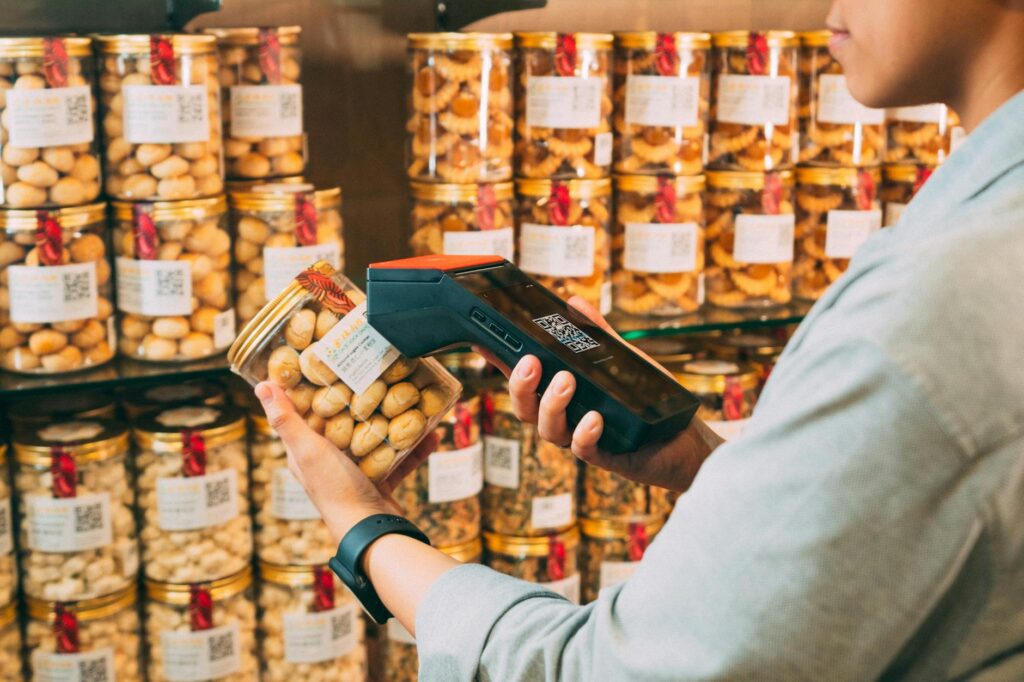
The customer experience begins the moment the shopper enters the store, and this experience must extend right through the checkout process. Traditional, cumbersome POS stations can sometimes create a bottleneck, making the end of the shopping journey stressful and frustrating for both the customer and the cashier. Modern mobile scanning apps solve this problem by enabling faster, more fluid, and personalized checkouts. Cashiers can move around the store or the checkout area, scanning items on the fly, ensuring that the interaction remains personal and efficient. The technology is designed to feel invisible, simply enhancing the speed and ease of the process without detracting from the human interaction that is key to small business success. Customers appreciate the speed, and staff members appreciate the reduced physical strain of operating large, heavy machines.
Beyond mere speed, mobile scanning apps allow for enhanced customer engagement through loyalty program integration and targeted upselling. When scanning items, the app can immediately pull up a customer’s purchase history, allowing the staff member to greet them by name and offer relevant product suggestions. Furthermore, the system can manage loyalty points in real-time, instantly showing the customer their accumulated rewards balance. This digital capability transforms a simple transaction into a relationship-building moment. The staff member is no longer just a scanner; they are an informed brand ambassador, equipped with all the necessary data points at their fingertips. This elevated level of service is priceless in the competitive small business landscape, directly translating into repeat patronage and positive word-of-mouth referrals.
For the consumer, the efficiency of mobile POS systems is a clear win. The speed of scanning and processing payments reduces wait times, which is often the biggest complaint about retail shopping. The modern app experience can also integrate digital receipts, allowing customers to easily save and view their transaction history on their own phones. This level of convenience appeals strongly to the contemporary, tech-savvy consumer. By offering a seamless, modern, and highly responsive checkout, small businesses using mobile apps signal to the customer that they are forward-thinking and efficient. Ultimately, this seamless technology elevates the entire brand perception, making the purchase process feel effortless and enjoyable, solidifying customer loyalty and supporting revenue growth.
Security and Compliance Without the Premium Cost
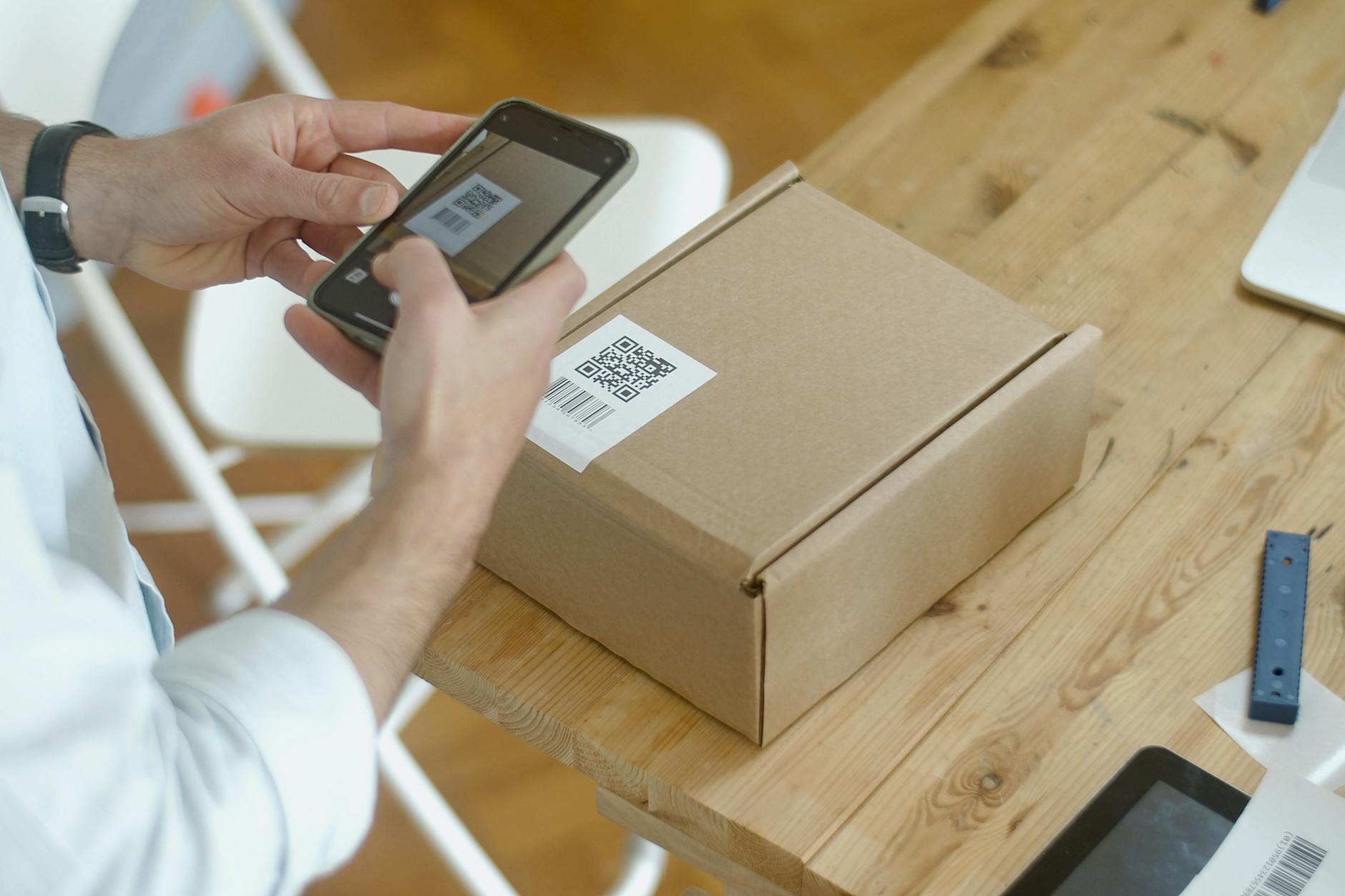
Security and payment compliance are often perceived as areas where small businesses must compromise to save money, leading to the use of inferior or outdated payment methods. However, modern barcode scanning apps paired with reputable payment gateways ensure that compliance—particularly PCI DSS standards—is met with enterprise-grade security, without the attendant enterprise price tag. These apps are built to interact with modern tokenization processes, meaning sensitive card data is never stored locally on the device. Instead, it is immediately encrypted and transmitted to a secure, compliant third-party payment processor. This architecture mitigates the risk of data breaches and simplifies the complex world of financial regulations for the small business owner. It provides peace of mind and allows the business to accept all major payment methods securely, building trust with the customer.
The system also enhances internal operational security through strict user role management. Different staff members can be granted specific permissions based on their role—a new employee might only have scanning and checkout privileges, while a manager has access to inventory adjustments and reporting. This segregation of duties is a critical security best practice that helps prevent internal fraud and misuse of the system. Furthermore, all transactions and inventory changes are logged with timestamps and user IDs, creating a perfect audit trail. Should any discrepancy occur, the business can trace the action back to the responsible user. This built-in accountability is a key safeguard that expensive, dedicated hardware often provides, but which is equally accessible and manageable through sophisticated app configurations. It transforms the software from a mere utility into a robust internal control mechanism.
Moreover, cloud-based systems ensure that data is backed up automatically and consistently, protecting the business from local hardware failure, theft, or natural disaster. If the physical tablet is lost or damaged, the customer data, sales logs, and inventory counts remain safely secured in the cloud, accessible through any other device with an internet connection. This reliable redundancy is crucial for business continuity. Unlike proprietary hardware that can become obsolete or suffer single points of failure, the software solution is constantly updated and backed by a professional cloud infrastructure. This combination of compliance, multi-level security control, and disaster recovery capability means that small businesses can operate with the highest standards of security and reliability, maintaining professionalism and mitigating risk without the enormous cost and commitment associated with traditional, siloed POS hardware.
Conclusion
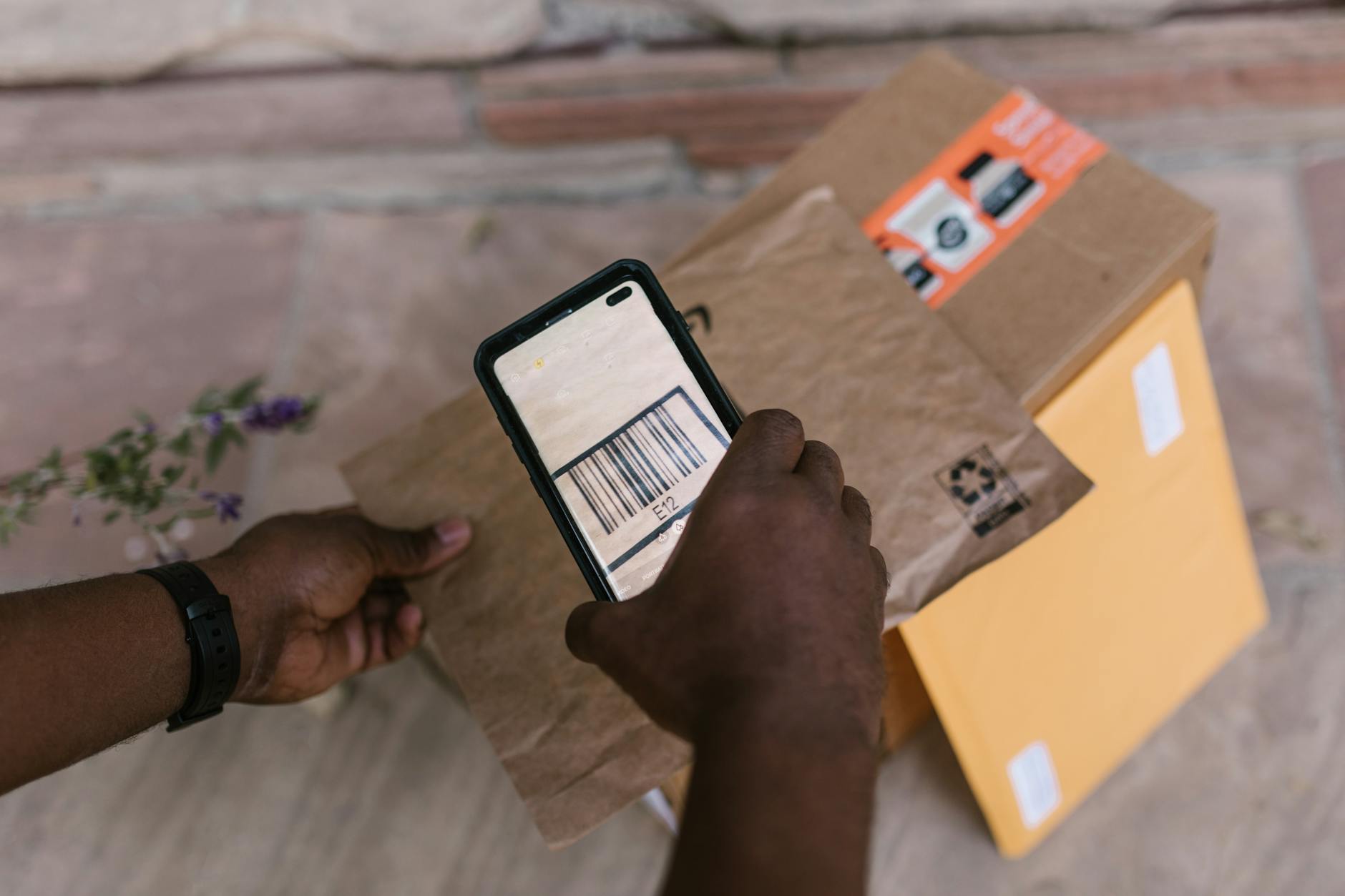
Barcode scanning apps represent a significant paradigm shift for small retail and service businesses. By offering robust features—including real-time inventory control, flexible sales points, comprehensive security, and enhanced customer engagement—these mobile solutions effectively dismantle the financial barriers posed by expensive, rigid POS hardware. They allow small owners to achieve professional, scalable, and modern operational capabilities that were once reserved for large corporations. Adopting this technology is not just a cost-saving measure; it is a strategic investment in the future resilience, flexibility, and profitability of the small business itself, ensuring that technology empowers, rather than encumbers, growth.


Leave a Comment