
Understanding the different standards of product identifiers is crucial for modern retail efficiency. Whether you are tracking inventory, managing supply chains, or improving the in-store customer experience, knowing how to read and utilize UPC, EAN, and QR codes is indispensable. This guide will break down these technologies so that retailers can leverage them to optimize their operations and stay ahead of the competition.
The Foundation: Understanding UPC and EAN Barcodes

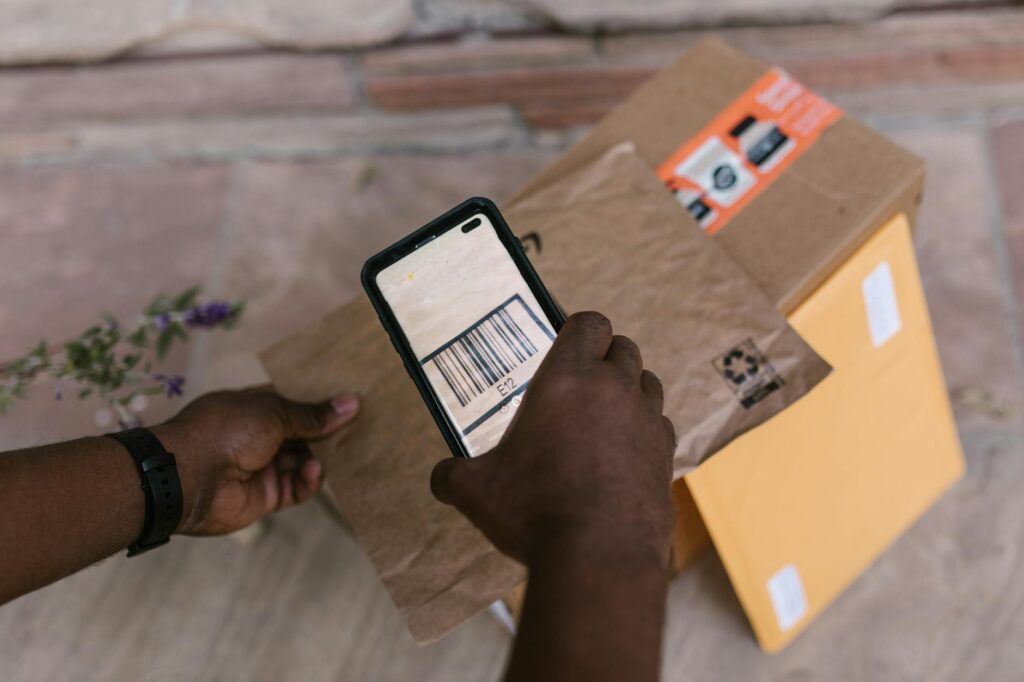
The Universal Product Code (UPC) and the European Article Number (EAN) are the historical pillars of retail identification, forming the backbone of global supply chain tracking. These linear barcode standards translate a product into a standardized numeric identifier that eliminates guesswork at the point of sale. While they look similar—both are read by scanning devices—they are designed for different market scopes. The UPC-A code, primarily used in North America, typically consists of 12 digits and is designed for consumer goods packaged for retail sale. Its structure is highly controlled, ensuring that every unique item manufactured within its jurisdiction can be assigned a singular, verifiable number. Because UPC has been the established standard for decades, it is deeply integrated into legacy Point-of-Sale (POS) systems, making it instantly recognizable and universally compatible across major retail platforms. Understanding this foundational difference is the first step in properly assessing which identification method is needed for a specific product line.
The EAN barcode, on the other hand, is the international evolution, typically featuring 13 digits (EAN-13). Adopted by the global marketplace, EAN codes were created to address the need for a more universal identifier that transcends regional limitations, making them the preferred standard for cross-border commerce. The increased length of the EAN code provides significantly greater capacity for unique product identification, which is crucial as retailers expand their global product lines or manage specialized goods. For international retailers, adopting EAN is non-negotiable, as it ensures that when a product crosses borders, the core identifying information remains consistent and readable by scanning equipment worldwide. Proper implementation of EAN ensures that sophisticated global inventory management systems can track movement accurately, dramatically reducing discrepancies and streamlining the entire logistical pipeline from manufacturer to consumer shelf.
Beyond the Bars: Introducing the Power of QR Codes

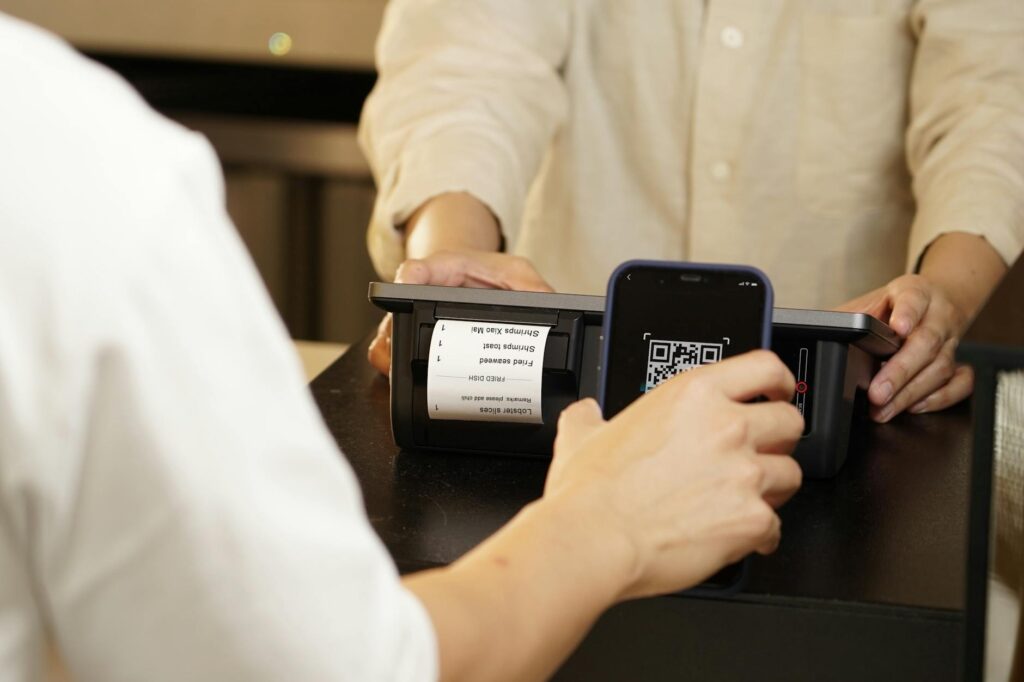
While UPC and EAN codes are excellent for identifying specific packaged products at checkout, they are limited by the sheer number of digits they can convey. The Quick Response (QR) code revolutionized product identification by moving away from linear numbers to a matrix format, allowing it to store vastly more data. Instead of merely identifying a product’s SKU (Stock Keeping Unit), a QR code can hold a comprehensive URL, detailed product specifications, user reviews, or even dynamic batch tracking information. For retailers, this capability is game-changing because it allows the physical product to become a gateway to a rich digital experience. When a customer scans the code, they are not just identifying the item; they are accessing a dedicated web page that offers immersive marketing content, nutritional details, or assembly instructions—all without needing secondary packaging or printed manuals, thus enhancing both the retail experience and data capture possibilities.
The primary advantage of integrating QR codes into the retail process is the capacity for deep personalization and enhanced marketing efforts. Unlike fixed barcodes which only provide a lookup number, the data embedded in a QR code is dynamic and actionable. Retailers can use this flexibility to implement “smart shelf” technology, linking the barcode scan to real-time inventory levels, localized promotions, or tailored promotional videos. Furthermore, for supply chain management, QR codes can be affixed to cases or pallets, allowing for incredibly granular tracking of multiple units simultaneously. This versatility means that a single identification technology can serve multiple functions: at the shelf for marketing, on the back label for instructions, and in the warehouse for high-volume tracking. This adaptive capability is what makes QR codes a versatile complement, rather than a replacement, for the reliable foundational identifiers provided by EAN and UPC.
Practical Implementation for Retail Operations

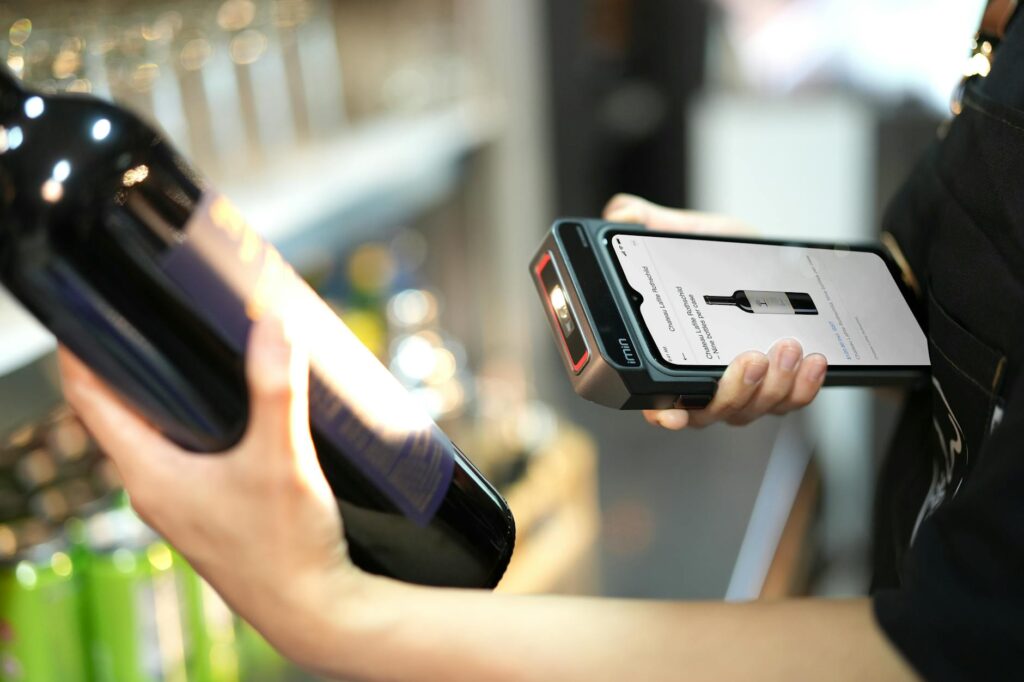
For a retail operation to maximize the benefits of these varied codes, implementation must be strategic and comprehensive. UPC and EAN codes should be assigned to every unique, purchasable SKU, ensuring flawless transaction processing at the cash register. They are the non-negotiable identifiers used for inventory receiving and basic point-of-sale functionality. Utilizing these codes consistently across all departments guarantees that the centralized inventory management system always has a reliable point of reference for stock levels and costs. Moreover, proper training for staff on scanning protocols and code interpretation minimizes human error and speeds up throughput, directly contributing to better customer service and reduced checkout wait times, which is a key metric for modern retailers.
Integrating QR codes requires a seamless bridge between the physical product and the digital ecosystem. Retailers must ensure that their POS systems and inventory databases are capable of receiving and utilizing the diverse data outputs that QR codes offer. This often involves setting up a cloud-based Content Management System (CMS) that can serve the unique web content linked to each product’s code. Furthermore, consider using QR codes not just for the customer, but also for the employee. For example, a QR code on a bulk carton could instantly pull up the product’s safety data sheet (SDS) or supplier contact information for the floor staff. By managing these different code types—the foundational (UPC/EAN) and the dynamic/experiential (QR)—as part of a single, unified tech stack, retailers can transform their basic identification system into a powerful data collection and customer engagement tool.
Code Strategy: When to Use Which System

Selecting the correct identifier depends entirely on the purpose of the scan. If the primary goal is quick, standardized transaction processing and adherence to global marketplace standards, UPC or EAN must be used on the consumer packaging. These codes tell the cash register, “This is Product X, sell it for $Y.” They are designed for maximum compatibility and reliability in basic retail exchanges. These identifiers should never be bypassed if the item needs to interact with established supply chain platforms like global shipping carriers or national retail chains that rely on these specific formats for compliance and automated tracking. They are the standardized lingua franca of physical goods movement across borders and departments.
Conversely, when the goal is deep customer engagement, detailed information delivery, or tracking of high-level logistical units (like pallets or display units), the QR code is the superior choice. If the retailer wants to offer an “enhanced discovery” experience—for example, linking a basic product to a video showing its manufacturing process—the QR code is the only way to execute this without cluttering the physical packaging with large amounts of text. Therefore, the most robust modern retail solution employs a dual strategy: using the EAN/UPC for the mandatory transactional ID and reserving the QR code for adding an extra layer of digital value. This synergistic approach ensures both operational efficiency and market differentiation.
Conclusion

Mastering the nuances between EAN, UPC, and QR codes moves a retailer beyond simple tracking and into sophisticated operational intelligence. UPC and EAN provide the necessary foundational structure for transactional integrity, ensuring every product has a universally accepted point of sale identifier. QR codes, however, unlock the potential for modern, engaging, and data-rich interactions, transforming a simple scan into a gateway to marketing, support, and deep inventory data. By viewing these codes not as separate identifiers, but as complementary tools within a unified digital architecture, retailers can significantly optimize their supply chain, personalize the customer journey, and ultimately drive substantial revenue growth in a competitive retail landscape.


Leave a Comment