
In the landscape of today’s fast-paced retail environment, efficiency and accuracy are the ultimate currencies. Barcode scanning technology, once considered a futuristic novelty, has cemented itself as the non-negotiable foundation upon which modern retail operations are built. It is the silent engine that drives everything from accurate checkout experiences to complex supply chain logistics.
Optimizing the Checkout Experience and Point of Sale (POS)
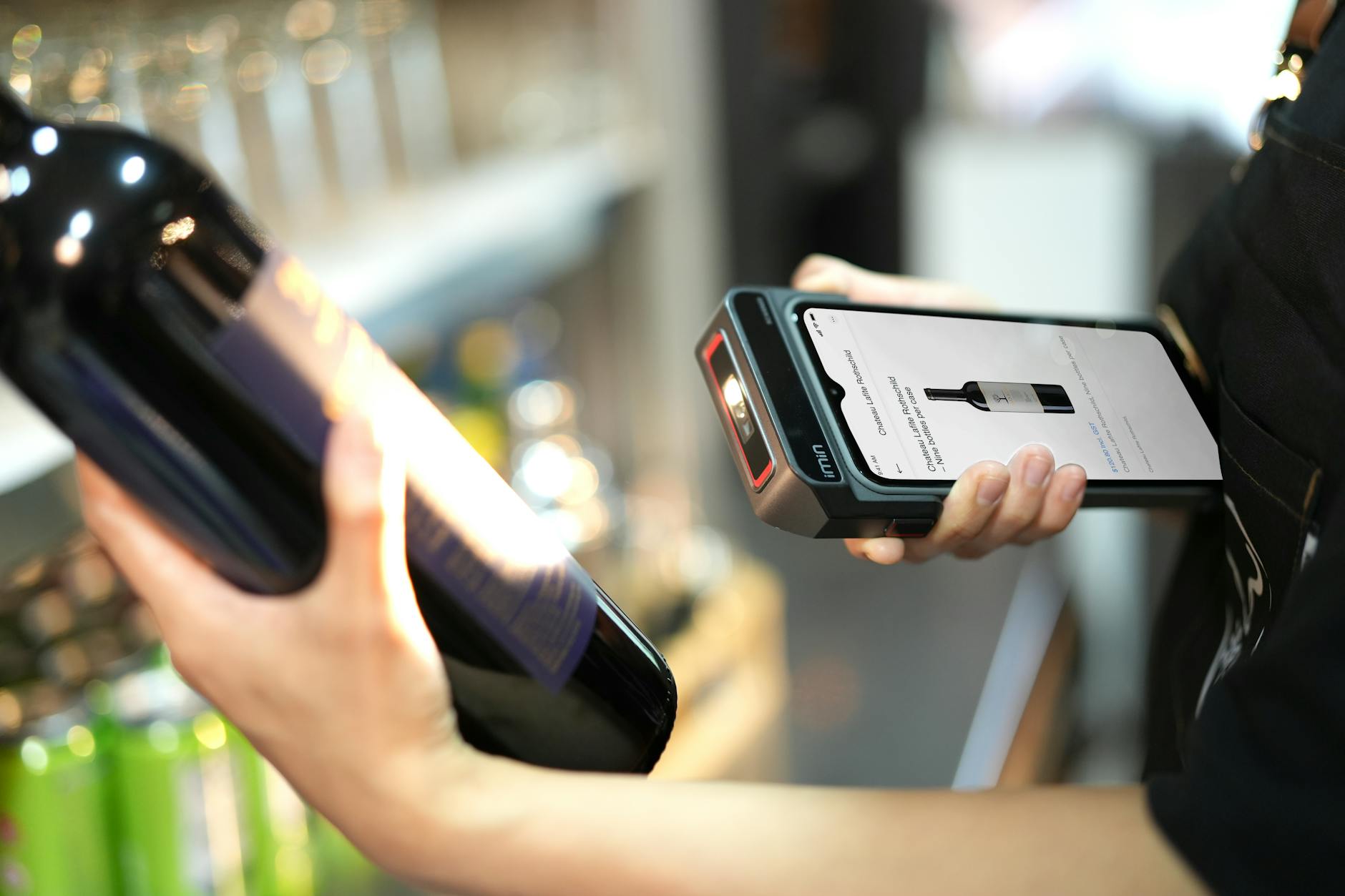
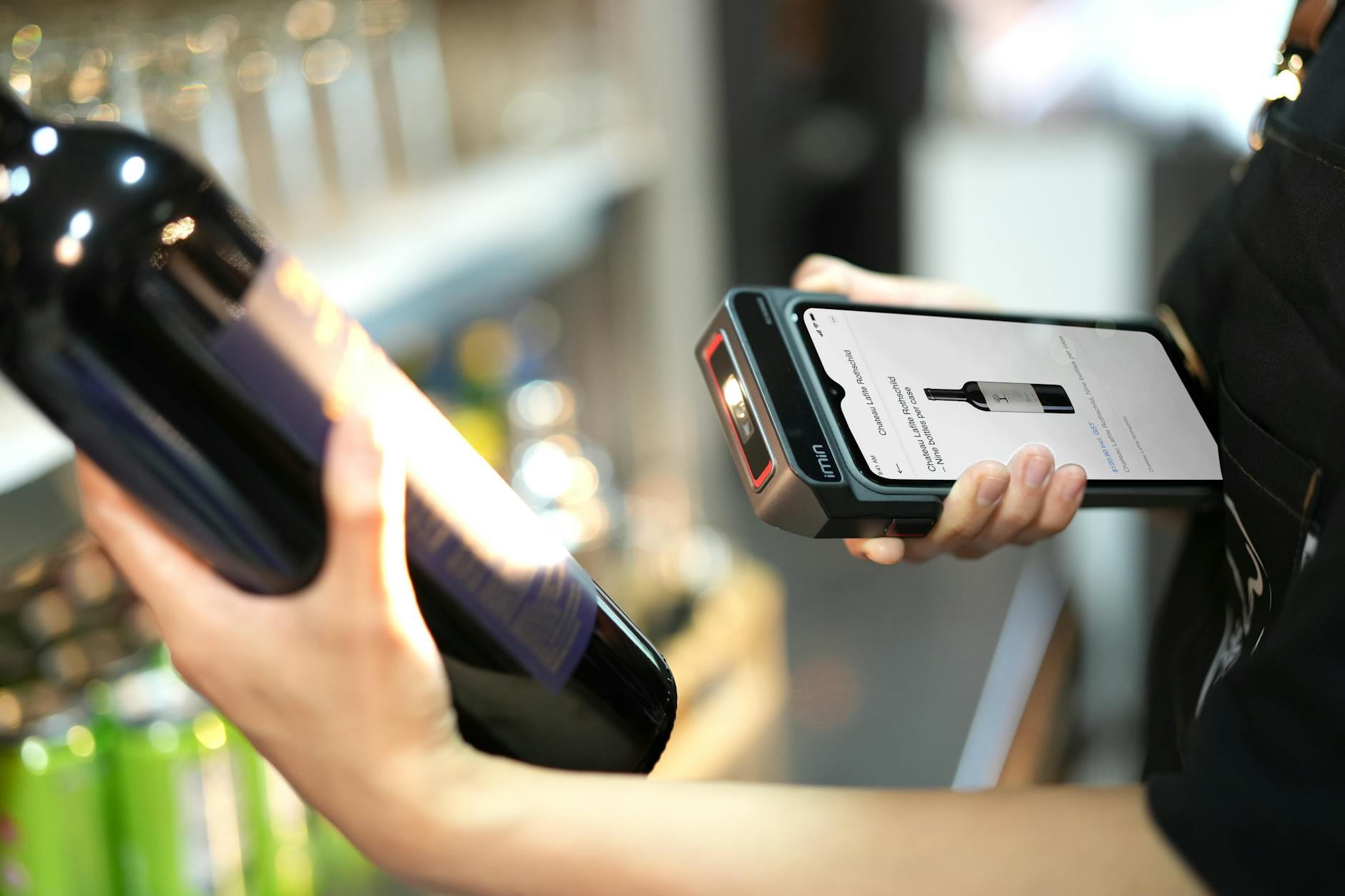
The most visible function of barcode scanning occurs at the Point of Sale. Before widespread adoption, cashiers relied on manual data entry, a process inherently susceptible to human error, slowing queues, and increasing labor costs. Barcodes provide an instant, standardized method for identifying products, linking them immediately to pricing, inventory levels, and tax codes. This speed doesn’t just improve the customer experience; it dramatically reduces the operational overhead required to process transactions quickly and accurately.
Furthermore, the data captured at the POS is invaluable for real-time analytics. When a barcode is scanned, it doesn’t just ring up a price; it feeds data into the retailer’s central system. This instantaneous data informs merchandising decisions, highlights popular items, and allows managers to track hourly sales trends. Without this automated data capture, retailers would be operating blind, unable to pivot quickly to match consumer demand or identify stock discrepancies.
Revolutionizing Inventory Management and Supply Chain

The true transformative power of barcodes lies deep within the supply chain and warehouse operations. Modern retail requires a seamless flow of goods, from the manufacturer’s shelf to the consumer’s hand. Barcoding allows every item, every pallet, and every box to be uniquely identified and tracked using barcodes, transforming inventory management from a guesswork endeavor into a precise scientific discipline. Retailers can now know, with confidence, exactly where every item is located and when it arrived.
This precision drastically minimizes the costly issues of “shrinkage”—loss due to theft, misplacement, or unaccounted inventory. Automated scanning during receiving, transfer, and stocking processes ensures that inventory counts are near perfect. This reliability means fewer misplaced orders, less time spent on manual physical audits, and ultimately, a higher profit margin for the retailer, solidifying the barcode’s role as a critical logistical tool.
Enhancing Data Accuracy and Reducing Operational Costs

Manual entry is notoriously prone to mistakes, whether it’s transposing a number or misidentifying a product code. Barcode scanners eliminate this single point of failure. By providing a universal, machine-readable identifier for every SKU (Stock Keeping Unit), the system ensures data integrity from the moment the item enters the store until the sale is complete. This impeccable accuracy saves immense amounts of time and money that would otherwise be spent reconciling discrepancies and fixing human errors.
Moreover, the efficiency derived from automated scanning has a profound impact on labor cost management. By automating repetitive and error-prone tasks—such as counting stock or locating specific items—retailers can reallocate their human capital to higher-value activities, such as improving customer service or optimizing store layouts. The barcode scanner is not merely a technology; it is an efficiency multiplier that sustains profitable operations in a competitive market.
Improving Customer Experience through Self-Service Technology
The modern consumer expects speed, convenience, and transparency. Barcode technology has powered the rise of self-checkout kiosks, fundamentally changing the customer’s interaction with the purchase process. Instead of waiting in a physical line, customers can scan items themselves, offering a sense of control and bypassing the wait time. This shift empowers the customer and improves the perception of service quality.
Beyond checkout, barcodes enable advanced features like product look-ups and targeted promotions. Consumers can use smartphone apps (which utilize barcode scanning) to scan an item and instantly pull up nutritional information, reviews, or alternative products. This digital layer of interaction makes the shopping trip educational and highly convenient, improving overall customer satisfaction and loyalty—all built upon the foundational reliability of the barcode system.
Driving Targeted Marketing and Merchandising Decisions

The data harvested by barcode scanners is the single most valuable asset in modern retail marketing. Retailers use the patterns generated by scannable items to understand consumer behavior at a granular level. They can pinpoint exactly which items are frequently bought together (cross-selling opportunities) or which product lines are consistently left on the shelf (merchandising failures).
This deep insight allows retailers to move beyond simple sales tracking and engage in predictive analytics. They can optimize shelf placement, adjust seasonal inventory buys, and even tailor personalized promotions—for example, alerting customers to a discount on an item they previously scanned but didn’t buy. In essence, the barcode provides the raw data fuel that powers personalized marketing campaigns, ensuring every sale is optimized for maximum revenue potential.
Conclusion
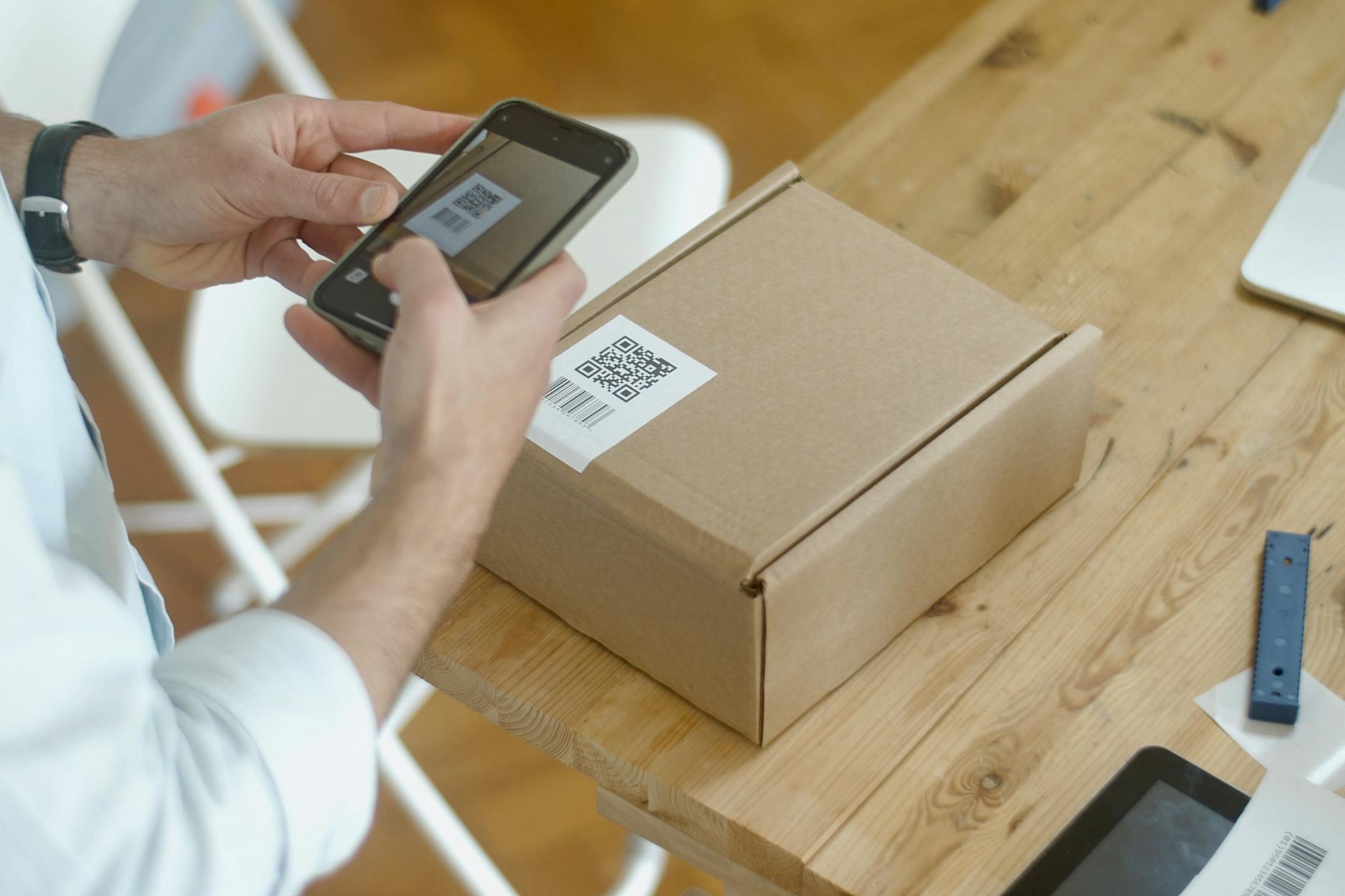
Barcode scanning has evolved far beyond its initial purpose of simple item identification. It is now an indispensable, multi-faceted technological backbone supporting efficiency, accuracy, and advanced data utilization across every facet of the retail operation. For any modern retailer, adopting and optimizing barcode technology is not merely an upgrade—it is a core requirement for remaining competitive, minimizing risk, and successfully navigating the complex demands of the global marketplace.



Leave a Comment