
Managing household inventory and keeping track of perishable goods can often feel like an overwhelming chore. One of the most significant, yet often invisible, drains on household finances and global resources is food waste. Modern technology, specifically mobile barcode scanning, offers a revolutionary, simple solution to the perennial problem of expiration date guesswork, helping consumers and small businesses alike extend the life of their groceries and supplies.
The Problem with Perishables: Why We Waste So Much
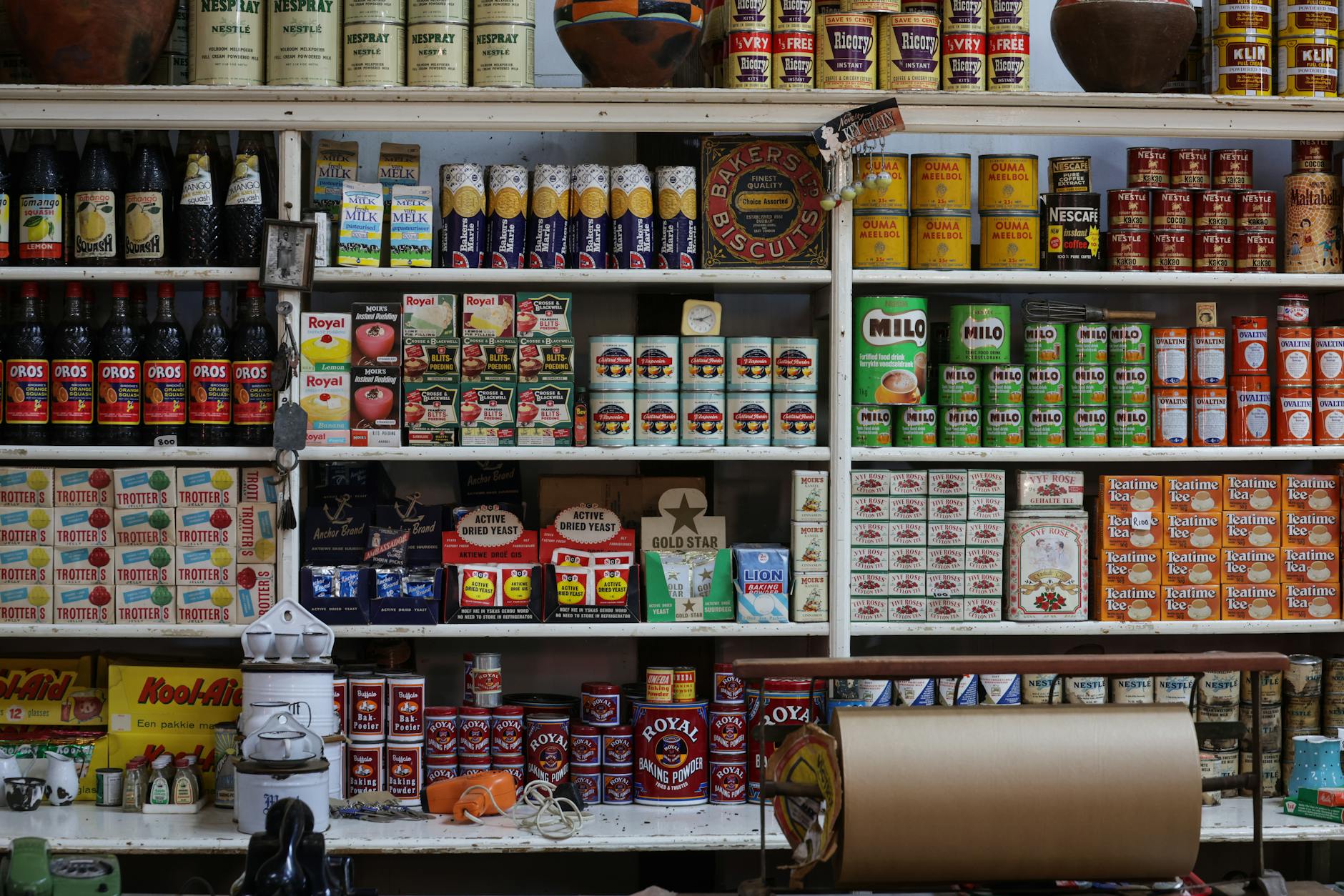
Food waste is not just an inconvenience; it represents a massive environmental and economic burden. Globally, staggering amounts of perfectly edible food are discarded annually—much of this waste occurs right at the consumer level, long before items reach the landfill. The primary culprit behind premature disposal is often simply uncertainty. We buy groceries based on immediate needs, but without a systematic way to track when things were purchased, when they expire, or when they should be consumed, food inevitably gets forgotten in the back of the fridge or pantry. Many consumers underestimate how much time and effort is lost attempting to perfectly organize, label, and remember dozens of small date markers printed on packaging. This guessing game leads directly to items passing their prime usage date and being tossed prematurely, contributing to massive methane emissions from landfills.
Furthermore, the complexities of modern grocery shopping compound this issue. Different items have different optimal consumption windows—some might last months, while dairy or fresh produce might only last days. Tracking these diverse lifecycles manually, using sticky notes and mental checklists, is highly unreliable. Mobile barcode scanning platforms solve this by acting as a centralized digital inventory system. Instead of treating every expiration date as a critical hard stop, these apps allow users to input the item, scan the barcode for product information, and input the actual use-by date. This creates a digital “use-by countdown,” shifting the focus from a rigid expiration date printed on the package to a smart, actionable reminder for the user, ultimately transforming a source of stress into a manageable habit.
How Mobile Scanning Transforms Inventory Management
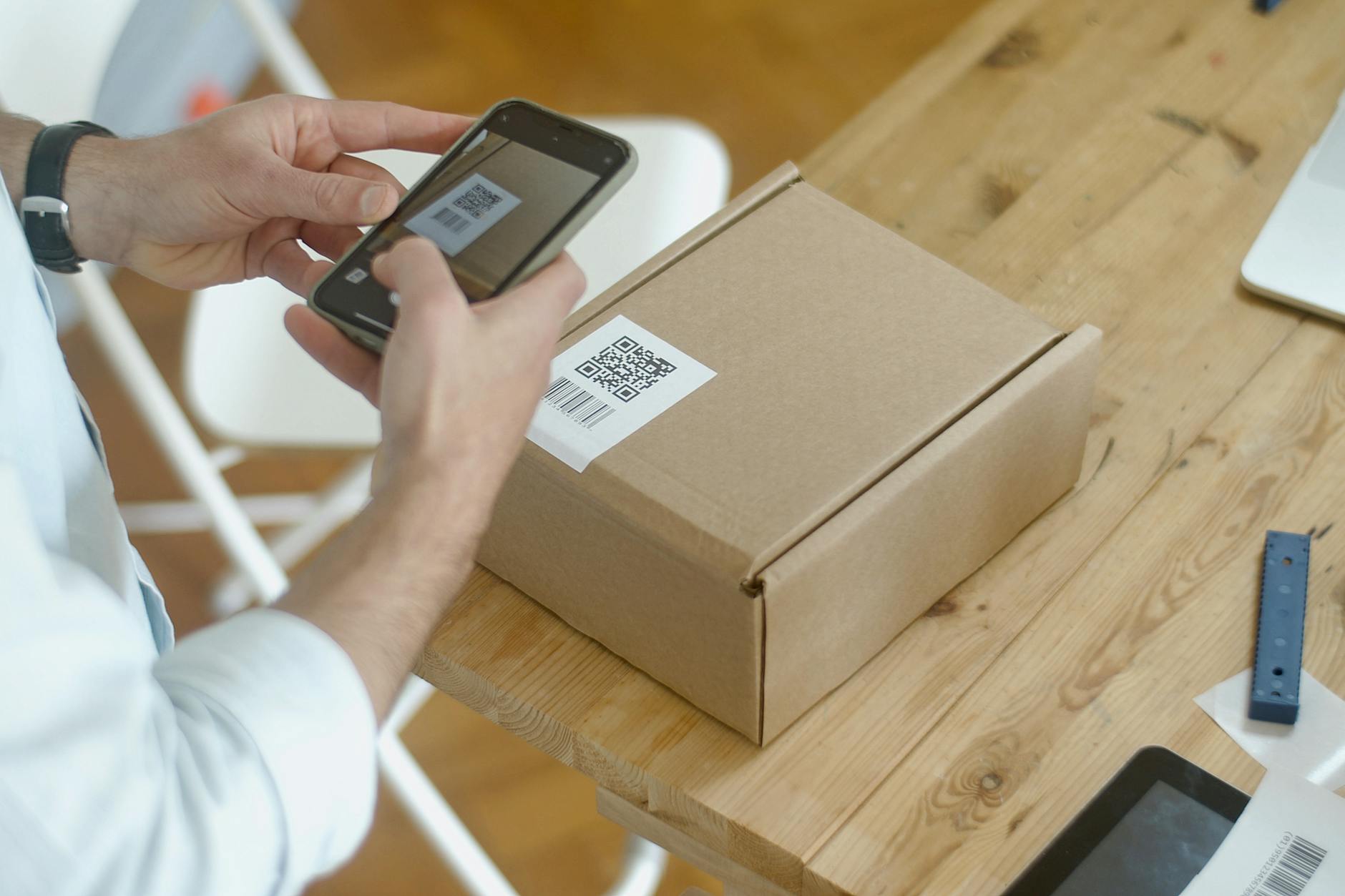
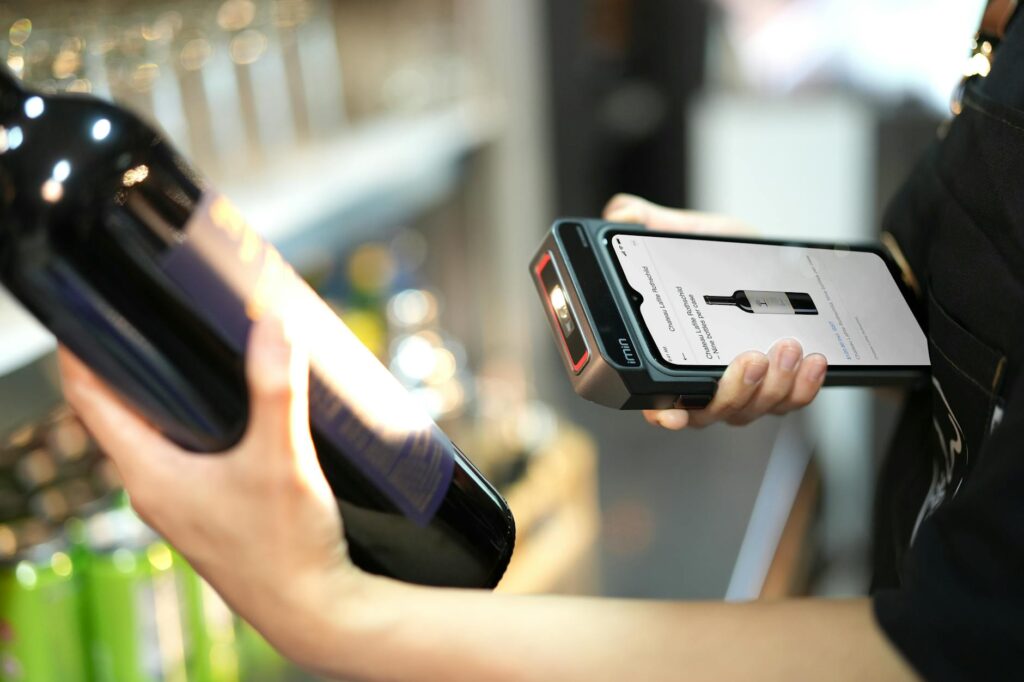
The transition from physical tracking methods (paper lists, magnets) to digital mobile scanning is perhaps the most profound change in consumer organization. By scanning a barcode, the app instantly cross-references the product with a massive database, retrieving key information like the product category, typical shelf life, and even suggested usage recipes. This level of integration turns a simple scanning tool into a culinary assistant. When a user scans a new item, they aren’t just logging its presence; they are logging its utility within a smart, interconnected ecosystem of ingredients. The system can suggest meal plans that prioritize items closest to their use-by date, effectively turning waste prevention into a seamless part of the meal planning process, thereby reducing the mental load associated with inventory upkeep.
Beyond the simple logging of dates, these advanced systems offer multi-functional features that greatly enhance their utility. Many platforms allow users to categorize items by location (e.g., “Freezer,” “Pantry Shelf 3,” “Refrigerator Drawer”), allowing the user to virtually “walk through” their stocked areas before shopping. The most powerful feature is the proactive alert system. Rather than waiting for the user to remember the date, the application sends push notifications when an item reaches a critical usage threshold, perhaps recommending a recipe or a meal that utilizes that specific ingredient. This proactive intervention is the key to turning good intentions into guaranteed action, drastically improving adherence to smart waste reduction habits.
Creating a Digital Food Ecosystem and Reducing Waste
The concept of a “digital food ecosystem” describes how these scanning tools connect multiple points of the household experience—from shopping to storage to consumption. When a user shops, they scan the items, building the inventory. When they consume, they scan the item and mark it as used, automatically adjusting the remaining shelf life of similar items if applicable, or simply removing it from the cycle. This continuous feedback loop creates a truly comprehensive record that is far superior to any physical index card system. This holistic approach means the tool doesn’t just track dates; it manages the entire lifecycle of the food item within the home, ensuring nothing is overlooked or forgotten.
For small restaurants, catering businesses, and even large family kitchens, the benefits are even more pronounced. Professionally, knowing the exact inventory and the remaining shelf life of high-cost, perishable items is crucial for operational efficiency and cost control. By flagging items nearing expiration, managers can adjust purchasing orders, implement “use-it-up” specials, or donate surplus goods before they spoil. This shift from reactive disposal to proactive utilization not only saves money but also aligns with corporate sustainability goals, making barcode scanning a pivotal tool in the fight against commercial food waste. Ultimately, the ease of digital logging leads to reliable data, leading to reliable resource management.
The User Experience: Seamless and Effortless Tracking

One of the greatest barriers to adopting any new tracking system is the commitment of time and effort. A successful waste-reduction tool must therefore be incredibly intuitive and seamless. The best mobile scanning apps streamline the onboarding process by minimizing required data entry. Instead of requiring users to manually type in complex product names and unit sizes, a quick barcode scan and a two-tap entry of the date are often all that is needed. This minimal effort yields maximum results, making the habit sustainable for daily use. This streamlined user interface is crucial because it ensures the system becomes part of the natural routine, rather than feeling like another chore to complete at the end of a tiring shopping trip.
Furthermore, the ability to integrate these scanning tools with other popular services, such as grocery list generators or digital recipe databases, multiplies their value. A user can build a week’s meal plan using ingredients they know they have on hand and are close to expiring, simply by viewing the app’s prioritized list. This connection between inventory and consumption creates a virtuous cycle: the app alerts you to potential waste, you cook a meal using the ingredients, and you simultaneously reduce your carbon footprint and save money. This seamless integration proves that advanced technology doesn’t have to be complex; it simply needs to be helpful, immediate, and integrated into our existing routines.
Conclusion: A Smart Way to Live Sustainably
Mobile barcode scanning technology has fundamentally changed how we manage the resources in our homes, offering an approachable and highly effective solution to the global problem of food waste. By transforming messy, forgotten ingredients into easily tracked, actionable inventory items, these tools empower consumers to shop smarter, cook creatively, and, most importantly, save money. Adopting this method is not merely about keeping track of dates; it represents a tangible shift towards a more sustainable, responsible, and waste-conscious lifestyle. We can all contribute to a healthier planet by giving every piece of food its intended lifespan, one simple scan at a time.


Leave a Comment