
In the world of nutrition, the spotlight often shines on macronutrients—protein, carbs, and fats. But a quiet revolutionary is gaining attention: fiber. Far from just being a digestive aid, fiber is emerging as a critical component of overall wellness, influencing everything from gut health to metabolic function. It’s time to understand why this unsung hero deserves a central spot in your daily diet.
This practical guide will walk you through what fiber really does for your body, how to incorporate more of it seamlessly, and, most importantly, how to shop smarter to make fibermaxxing a sustainable habit.
Understanding the Gut-Body Connection

Fiber is a type of carbohydrate that your body cannot digest, and that is precisely what makes it so powerful. Instead of being broken down for energy, fiber passes through your digestive system intact, acting as a powerful prebiotic. Prebiotics are essentially food for the beneficial bacteria (the good guys!) that live in your gut. These bacteria thrive on fiber, producing short-chain fatty acids that nourish the gut lining and influence mood, immunity, and even nutrient absorption.
A healthy gut microbiome, fueled by adequate fiber, is foundational to good health. When fiber is lacking, the gut flora can become unbalanced, leading to uncomfortable issues. By prioritizing diverse, plant-based fiber sources—like beans, oats, and leafy greens—you are actively supporting a flourishing internal environment. Think of fiber not as a single nutrient, but as a foundation builder for your entire system.
Practical Steps to Boosting Your Fiber Intake
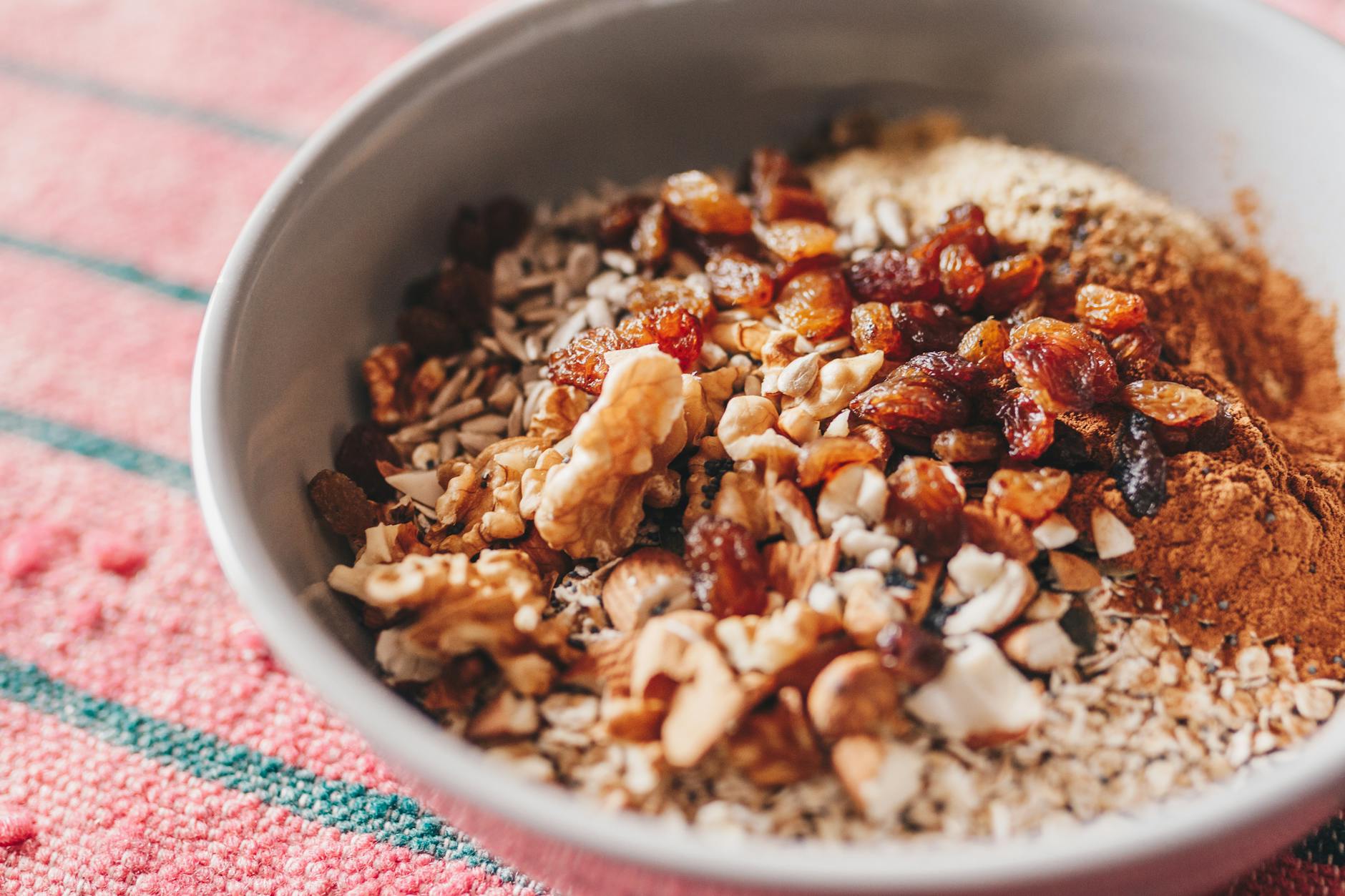
Incorporating more fiber doesn’t mean massive, sudden lifestyle changes; it means strategic swaps. Start your morning routine by swapping out refined cereals for steel-cut oats. Instead of snacking on packaged chips, opt for apple slices dipped in almond butter, which provides fiber and healthy fats. When planning meals, aim to “bulk up” your plate with vegetables, remembering that a handful of leafy greens can add significant bulk and nutrition without much effort.
For those who are unsure where to start, variety is key. Different types of fiber—soluble (like that in oats, which can reduce cholesterol) and insoluble (found in whole grains, which aid regularity)—perform different jobs. You can use free tools like ScanifyPro to check out products in the Snacks or Beverages categories. By scanning a potential treat, you can check its full nutrition facts and see if it has robust fiber content, helping you find more nutrient-dense alternatives.
Decoding Labels: Fiber, Scores, and Sustainability

When you move from generalized advice to actual grocery shopping, reading labels can feel overwhelming. But understanding key indicators makes the process much easier. When comparing two similar products, don’t just look at the grams of fiber; look at the overall nutritional quality. ScanifyPro helps simplify this by providing multiple scoring systems. Check the product’s Nutri-Score to get an immediate A–E grade overview, and use the Bio Score to understand how natural the product’s ingredients are.
These scores are your best friend in the store. A product might look healthy on the surface, but the Health Concerns flag, powered by the Scanify Engine, might warn you about excessive added sugar or sodium, regardless of how high the fiber count is. Always use ScanifyPro to scan products in categories like Dairy or Meats. Remember, while we offer this guidance, always discuss major dietary changes with your personal healthcare provider, as our platform is for informational purposes only.
Beyond the Shopping Cart: Supporting Fiber in Everyday Life

Fiber is also about consistency and movement. Staying physically active ensures that fiber moves through your system efficiently. Furthermore, drinking enough water is non-negotiable when increasing fiber intake. Think of your digestive system like a plumbing system: fiber provides the material, but water provides the necessary flow. Adequate hydration prevents constipation and ensures that the beneficial prebiotics can do their job fully.
If you are looking for easy ways to incorporate fiber, keep a bag of mixed nuts, seeds, or edamame (found in the Snacks or Meats categories) readily available. These portable sources make it easy to top off a meal or snack when you’re out running errands. By making these small, consistent additions, you build up a significant reservoir of fiber without feeling deprived, turning a dietary goal into an enjoyable habit.
A Fiber-Focused Conclusion for Lasting Wellness

Fiber is far more than just a dietary recommendation; it’s a foundational pillar of optimal health. By understanding its roles in gut regulation, metabolic function, and overall immunity, we can see why it deserves the “new protein” title. Embracing a fiber-forward diet is an act of self-care that supports your body from the inside out.
To make this journey effortless, arm yourself with tools like ScanifyPro. Whenever you’re in the grocery aisle and aren’t sure if a product is aligning with your goals, simply scan the barcode. Whether you’re evaluating a Beverage, a Desserts item, or a whole grain, the instant, detailed analysis gives you the power to make informed choices. Start scanning, starting learning, and start maxxing your gut health today. (Disclaimer: ScanifyPro provides information; please consult a professional for personal health advice.)



Leave a Comment