
It can feel like decoding a secret language when you pick up a packaged food item. Why? Because manufacturers have become masters at disguising simple ingredients, especially sugar. Understanding what truly makes your food sweet means gaining control over your diet.
This guide reveals some of the most deceptive names sugar goes by, helping you move beyond the simple word “sugar” when reading a label.
The 10 Names Sugar Goes By: Why Labels Lie
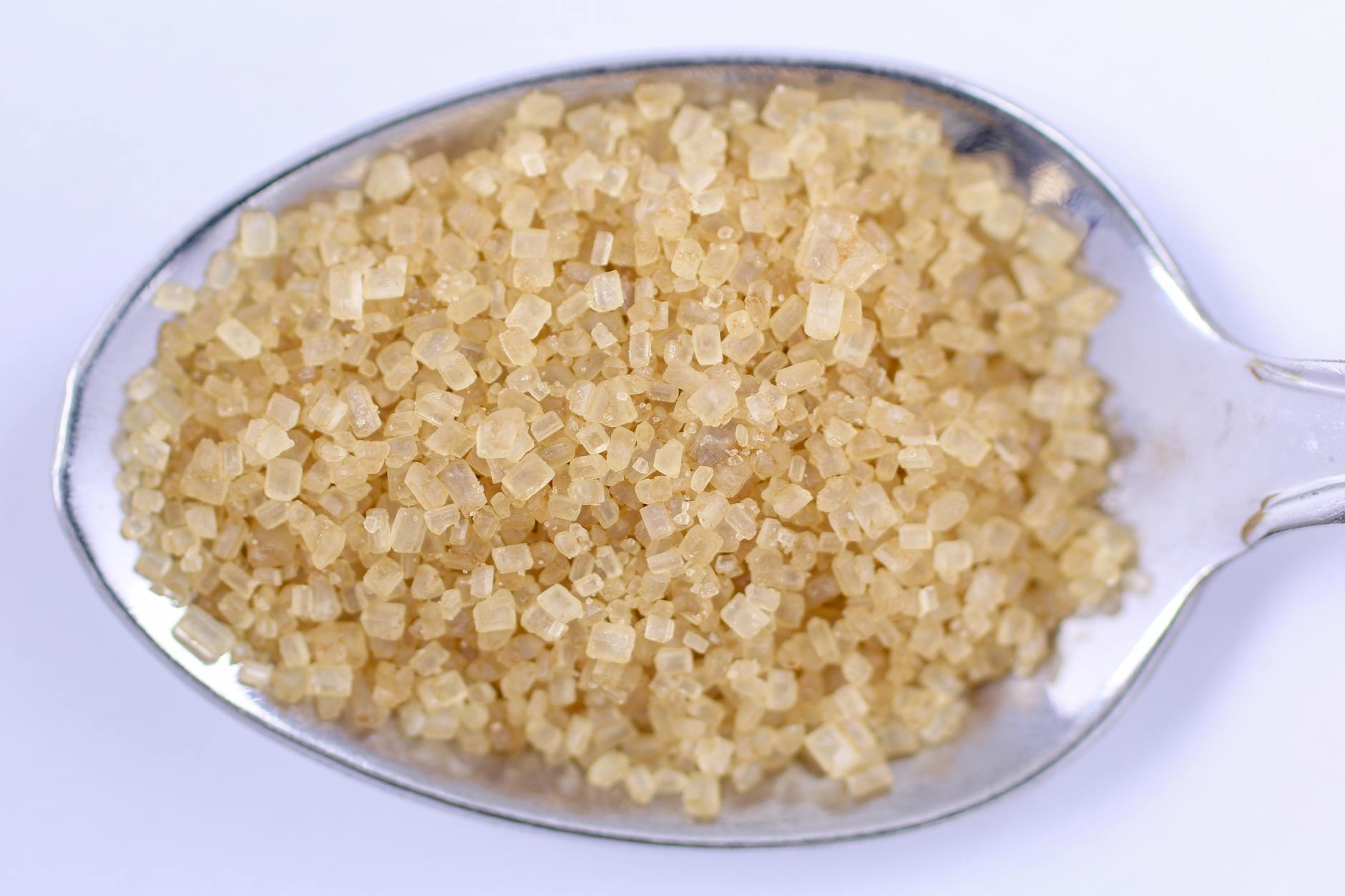
When a nutrition label lists “sugar,” it’s usually straightforward, but the truth is far slipperier. Instead, manufacturers often use long, Latinate, or obscure chemical-sounding names to bypass consumer awareness. These alternatives are just as sweet—and just as impactful on your blood sugar and overall health—as the white granulated sugar you know.
Understanding this linguistic trickery is the first step toward better eating. Some common culprits include dextrose, maltose, and corn syrup. But it gets deeper; you might also encounter evaporated cane juice, high fructose corn syrup (HFCS), or even various syrup names like rice malt syrup. These are not just different types of sugar; they serve the same metabolic function in your body.
The goal isn’t to make you fearful of food, but rather to arm you with knowledge. If you are ever in doubt while shopping, remember that ScanifyPro is there to help. By scanning a product, you don’t just get a full list of ingredients; you immediately see flagged warnings, including potential hidden sweeteners, giving you instant transparency on your grocery run.
Beyond Sugar: Recognizing Sugars in Key Food Categories

Hidden sugars don’t just appear in your breakfast cereals. They are masterfully integrated into nearly every corner of the grocery store, affecting products ranging from crunchy snacks to creamy desserts. For instance, drinks are a major offender; what is marketed as a “flavored” beverage often contains massive amounts of added sugar disguised as natural juice concentrates or fruit sugars.
Dairy and savory items are equally tricky. Processed sauces, salad dressings, and even seemingly healthy yogurts often sneak in hidden sweeteners to improve taste and texture. Because we often associate these categories with protein or natural ingredients, it is easy to overlook the sugar content. The stakes are high, and simple ingredient checking isn’t enough.
This is where our comprehensive analysis comes into play. ScanifyPro allows you to check scores across all categories—be it Beverages, Snacks, or Dairy—and gives you an immediate health picture. You can check a product’s Nutri-Score grade right on the app. A poor score often correlates directly with excessive added sugar, giving you a quick, visual reminder of what to look out for.
Decoding the Depth: Using the Scanify Engine Scores
Reading ingredient lists is powerful, but it can feel overwhelming. Our platform was designed to translate complex nutrition science into simple, actionable metrics. We utilize three core scores to give you a holistic view of the food you’re considering buying.
First, there is the Nutrition Score (0–100). This single score gives you an overall indication of how beneficial the product is for your body, considering more than just sugar. Second, the Bio Score (0–100) tells you how natural the ingredients are—a high score suggests fewer artificial additives and more whole, plant-based ingredients. And, of course, the Nutri-Score (A–E) provides an at-a-glance assessment of the product’s nutritional quality across Europe.
When a product triggers a “Health Concern” flag, such as high sodium or added sugar, the Scanify Engine is doing its job—alerting you to potential pitfalls instantly. These scores transform the tedious task of label reading into a fast, insightful decision-making process, guiding you toward better choices in your kitchen.
Making Informed Choices: Simple Swaps and Shopping Strategies

Knowing the names of hidden sugars is step one; implementing changes is step two. Instead of eliminating entire food groups—which is often unsustainable—focus on making strategic swaps. If you find yourself routinely buying a snack that scores poorly due to added sugars, try swapping it for an alternative that offers a healthier combination of fats, fiber, and protein. This shift often dramatically improves the product’s overall Nutrition Score.
Another essential shopping strategy is prioritizing whole foods over highly processed items. While convenience is appealing, packaged goods are where sugar names accumulate. Always make a habit of comparing two products side-by-side, even if they are in the same category, using ScanifyPro to compare their Nutri-Score grades before committing to a purchase.
Remember that making these changes is a journey. We provide the information; you make the healthy choices. Please remember that while ScanifyPro is an incredibly valuable tool for informational purposes, and provides robust data, any dietary guidance or major health decisions should always be discussed with a qualified healthcare professional or registered dietitian.
Empowering Your Plate: A Final Word on Ingredient Transparency

Learning to decode ingredient lists empowers you to become a truly proactive shopper. You no longer need to panic every time you see a confusing label; you have a framework for understanding what you are eating. The knowledge that dozens of different names can all point back to the same simple, added sugar is profound, and that knowledge is your greatest defense.
We encourage you to continue practicing this skill. Every time you feel curious about a packaged good—whether it’s a creamy dessert, a savory meat product, or a beverage—take a moment to scan it. It’s free, instant, and provides a level of detail that human memory simply cannot match. You deserve to know exactly what you are fueling your body with.
By combining careful label reading with the comprehensive scoring system of ScanifyPro, you are taking charge of your health in a systematic, stress-free way. Start scanning and start knowing the truth about your food!


Leave a Comment