
Sometimes, buying a bottle of water feels like making an educated guess. Are you paying extra for “mineralization,” “alkalinity,” or a pristine source? The labels on bottled water can be confusing, making it difficult for even the most health-conscious shoppers to know what they are truly buying. This guide will cut through the marketing jargon to help you understand the true contents of your bottle.
Decoding the Basics: What the Label *Does* Tell You
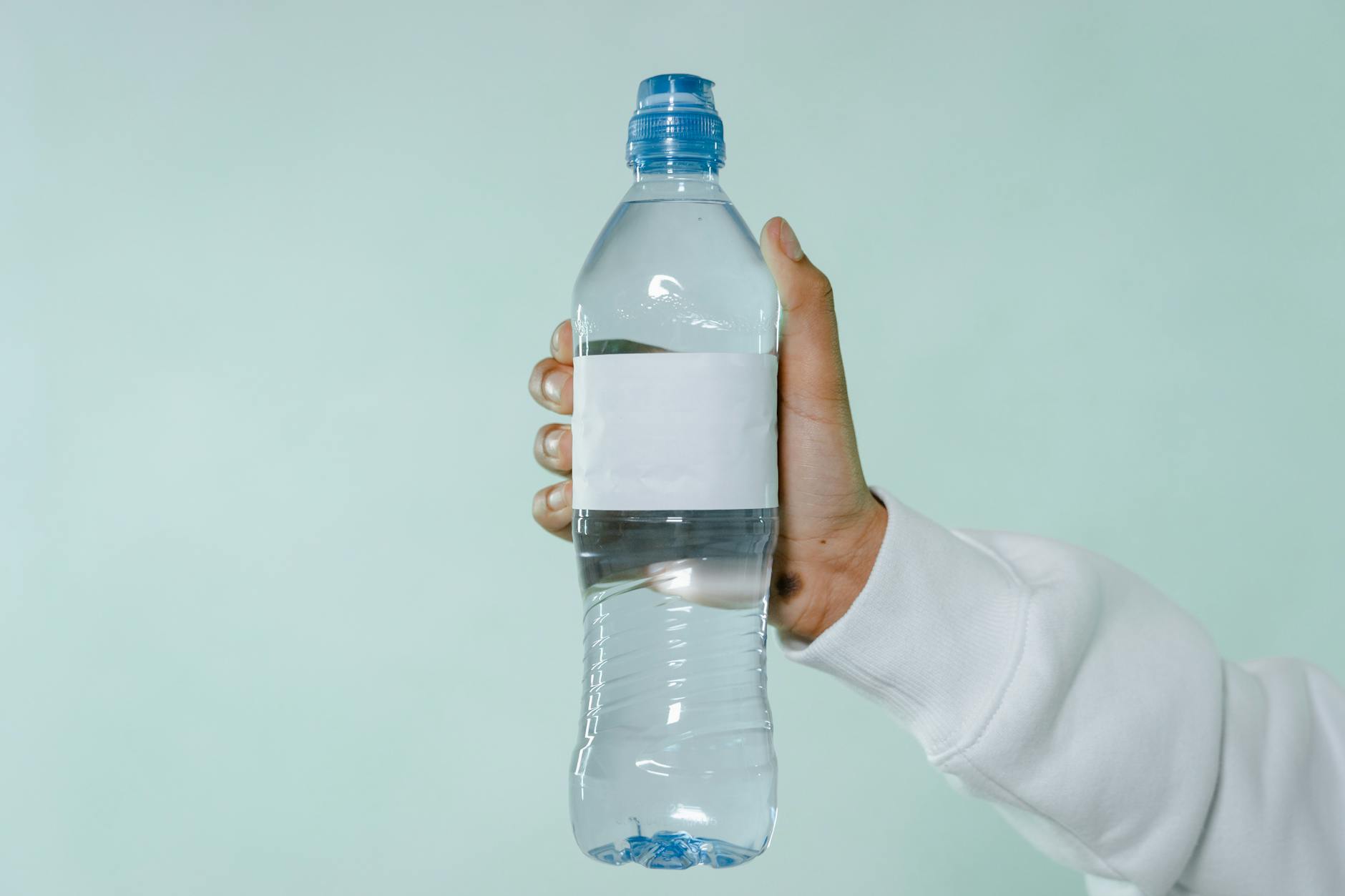
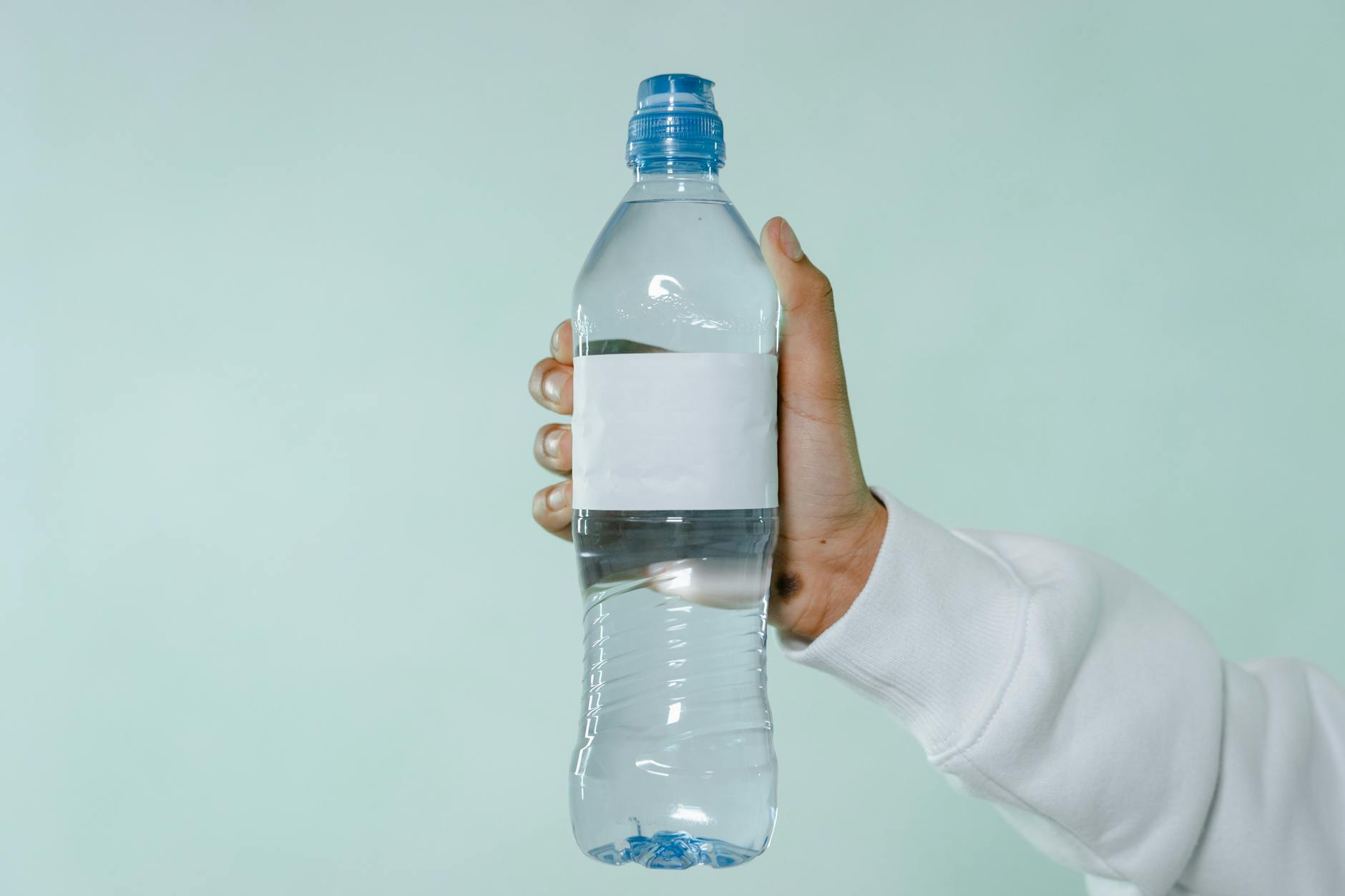
When you pick up a bottle of water, the label is designed to convey purity and source. It will tell you, quite simply, the origin of the water—whether it’s spring-fed, reverse osmosis treated, or distilled. For plain water, the label should, ideally, list only ‘Water’ and nothing else. If the only things listed are source data and perhaps the required volume, you are likely looking at pure, unadulterated H₂O. This is valuable information, but it also tells you nothing about the water’s overall quality or how it affects your body, which is where modern analysis tools step in.
If the label *does* contain other elements, such as electrolytes or added minerals, it’s crucial to read the full ingredient list. Many people assume that because a product is marketed as ‘natural,’ it must be healthy, but the label needs to specify exactly what minerals are added and in what concentration. Furthermore, if the water is flavored—even with natural fruit essence—the label will show you the added sugars or syrups. This is a key moment where specialized platforms like ScanifyPro shine. While water itself doesn’t typically generate a Nutri-Score because it lacks macronutrients, if you are considering a *flavored* or *mineralized* water, ScanifyPro can help analyze the overall nutritional profile and flag potential Health Concerns, ensuring you aren’t unknowingly consuming excess sodium or artificial additives.
Understanding the Hidden Additives and Marketing Buzzwords
The water industry uses impressive, technical-sounding words to justify a higher price point. Beware of terms like “alkaline,” “remineralized,” or “activated.” “Alkaline” often suggests a higher pH level, but the body has highly efficient systems for pH balance, meaning drinking alkaline water does not inherently make you more alkaline. Similarly, “reminalerized” simply means minerals have been *added* back, rather than naturally occurring in sufficient amounts at the source. While some minerals like calcium and magnesium are beneficial, they are often added in trace amounts that may not provide significant nutritional benefit to the average consumer, especially when compared to getting those minerals from whole foods.
Sometimes, water labels are used to mask more complex drinks. For example, a highly marketed “premium” water might actually be a mix of purified water, flavoring, and a surprisingly high amount of sugar to achieve a palatable taste. If you are ever unsure about the composition of a beverage, use ScanifyPro. By scanning the barcode, you get immediate access to comprehensive analysis, including the full breakdown of ingredients and the potential for identifying high sugar content or artificial sweeteners, all housed within the user-friendly interface. This transparency is exactly what modern consumers need when making daily health choices, allowing you to compare the actual contents against established nutritional science, regardless of the marketing hype surrounding the bottle.
Beyond the Label: When Pure Water Isn’t Enough
There are scenarios where water requires some enhancement, but the goal is to enhance health without adding junk. This is where truly beneficial mineral content comes into play. If you have specific dietary needs or are looking for hydration beyond basic drinking, mineral-rich sources are best. However, even in the context of minerals, understanding the dosage is everything. A high sodium warning might be acceptable if it’s part of a balanced electrolyte replacement for someone who has exercised heavily, but it is not good for regular, general consumption. The balance between replenishment and over-consumption is something a simple label cannot capture.
For most everyday hydration, plain, filtered water is nearly always the best option. If you want to test the quality of different types of packaged beverages—be it a fancy sparkling water or a fruit-infused beverage—ScanifyPro offers powerful scoring systems. Instead of just looking for a simple Nutri-Score (A to E), which is generally designed for packaged foods, you can evaluate the Bio Score and the Nutrition Score. These metrics provide a holistic view, indicating both the natural quality of the ingredients and the overall nutritional impact, giving you a much deeper level of reassurance that the product is genuinely supporting your goals, not just providing a pretty label.
Mastering the Analysis: Utilizing Digital Tools
In the age of instant data, relying solely on the small, static label printout is like taking a photo of a complex problem. Digital tools are far more powerful because they connect the product barcode to a vast, global database of information. ScanifyPro acts as your ultimate ingredient and nutrition co-pilot, offering insights far beyond standard retail labeling. When you scan any product, you aren’t just getting the calories; you are getting an AI-powered health report.
This advanced analysis means you can instantly check for common issues—like high sodium or excessive added sugars—even if the brand has managed to omit those warnings on the primary label. You can compare multiple beverages, ranging from pure drinking water to a snack category item, and see how they stack up against each other using quantifiable scores. This gives you the confidence to shop intelligently, knowing that no matter how complex or misleading the physical label is, a quick scan of the product will provide an objective, data-backed assessment. Remember, while ScanifyPro is an incredible resource, all health and dietary guidance provided is for informational purposes only and should supplement, not replace, professional medical advice.
Conclusion: How to Drink Water Smarter
Ultimately, the best water remains plain, filtered water. If you must buy mineralized or flavored options, approach the label with skepticism and focus intently on the ingredient list, rather than the marketing claims. Use your comprehensive knowledge of the label, combined with the deep, unbiased analysis provided by platforms like ScanifyPro, to make decisions that truly align with your health goals. By treating the label as merely the starting point and always being ready to dig deeper, you can navigate the confusing aisles of packaged goods with complete confidence.



Leave a Comment