
For online resellers, time spent manually listing products is often the biggest bottleneck, limiting scaling potential and draining profits. However, integrating simple barcode scanning technology can dramatically revolutionize the listing process, turning tedious data entry into a quick, efficient operation.
Understanding the Power of Barcode Data Retrieval
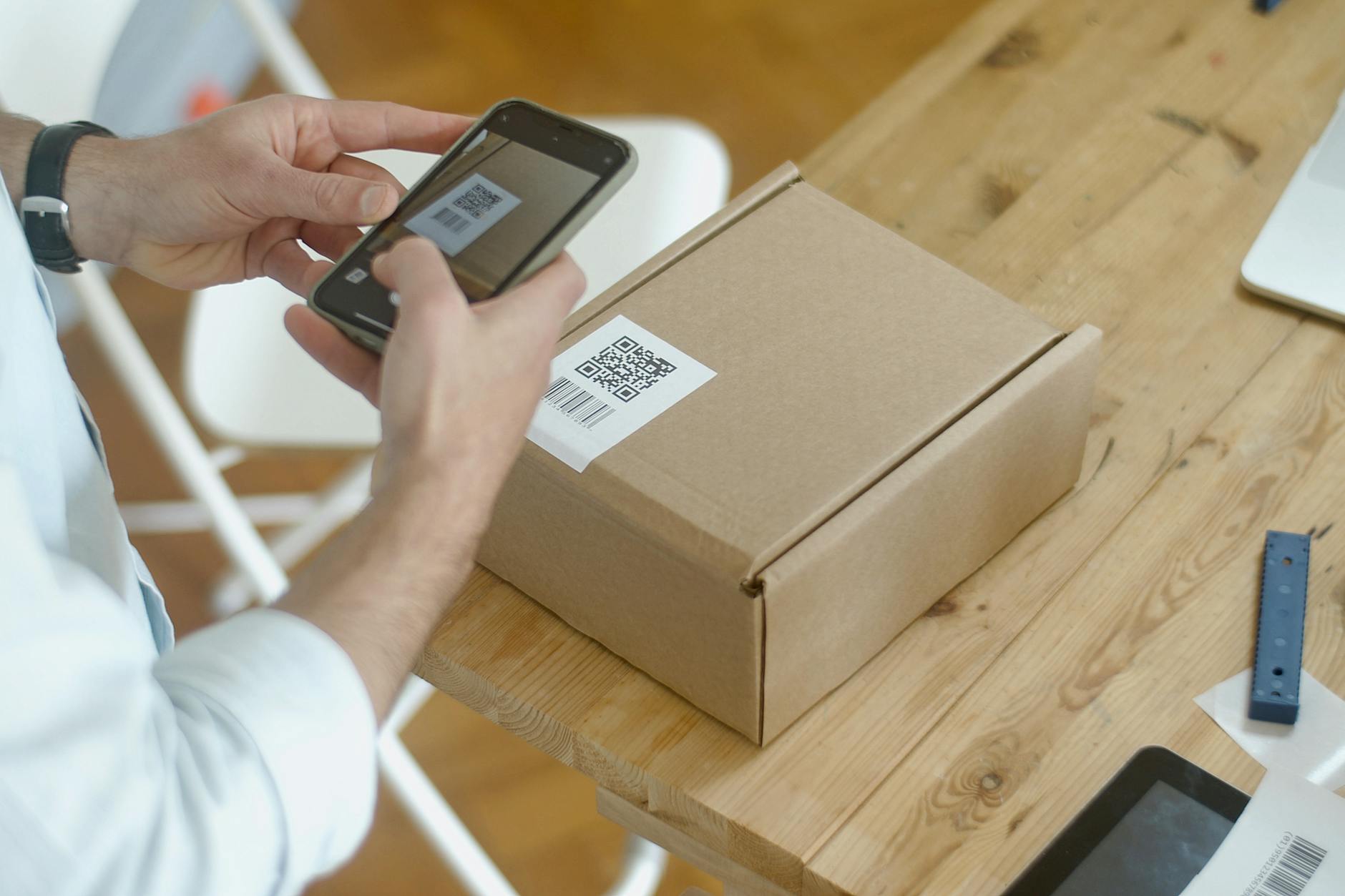
The fundamental benefit of barcode scanning is its ability to instantly convert physical merchandise into structured, digital data. Instead of laboriously typing out a Model Number, UPC, or EAN, a modern scanner captures these identifiers and feeds them directly into your inventory management system. This isn’t just about faster data capture; it’s about accuracy. Manual input introduces significant human error, which can lead to inaccurate pricing, miscategorization, and poor search performance on marketplace platforms. By eliminating keying errors, scanners ensure that the data foundation of your listing is solid and reliable, immediately saving time and protecting your reputation.
Furthermore, most robust inventory systems linked to scanners do more than just read numbers; they trigger data enrichment. The UPC (Universal Product Code) is essentially a universal key that unlocks a vast amount of pre-existing product information—manufacturer details, standard descriptions, and category classifications. When you scan an item, the system can instantly pull standardized data that you would otherwise spend minutes researching. This dramatically accelerates the preparation phase, allowing the reseller to focus their limited time on writing unique, high-converting descriptions instead of gathering basic product facts.
Optimizing Workflow with Scanning Hardware and Software
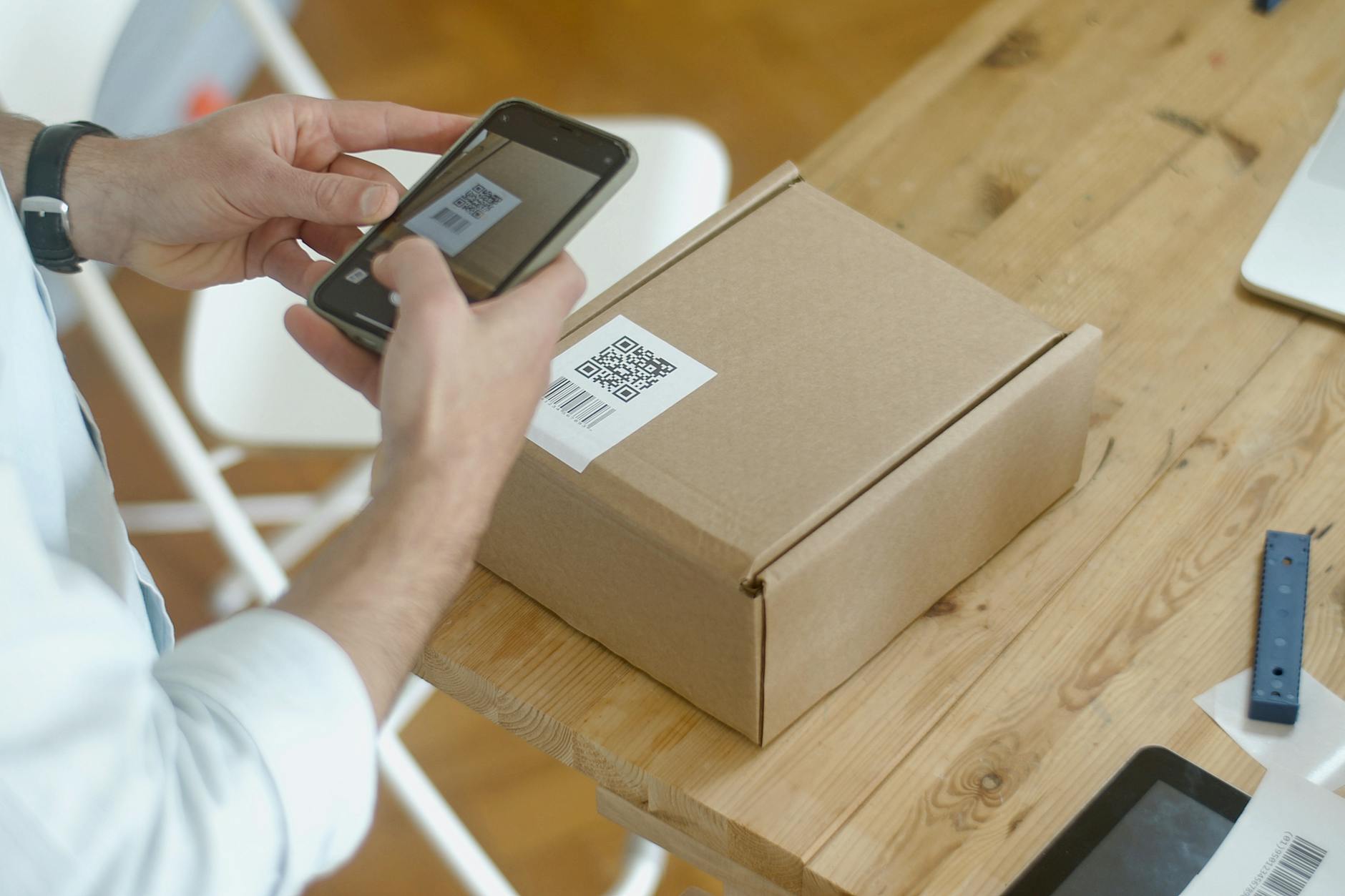
To successfully implement this workflow upgrade, selecting the right tools is paramount. Today’s professional solutions range from simple USB barcode readers to sophisticated, networked industrial scanners that integrate directly with your existing CRM or e-commerce platform. When evaluating hardware, look for portability, high reading speed, and compatibility with common data formats (UPC, EAN, ISBN). The scanner itself is merely the input device; the magic lies in the software connecting it to your database.
The ideal software solution acts as the central brain of your operation. It must process the scanned data in real time, cross-referencing it against multiple databases simultaneously—including public market APIs, vendor catalogs, and your private inventory records. Advanced platforms can automatically populate key listing fields such as brand, dimensions, weight, and original retail price, saving you the painstaking work of repetitive copy-pasting. This unified system ensures that every scanned item flows smoothly from “physical object” to “optimized listing draft” without bottlenecks.
From Data Capture to Listing Optimization
Scanning a barcode provides the initial, necessary data, but a successful listing requires more than just accuracy—it requires optimization. Modern scanners and integrated platforms can significantly assist in this next critical stage. Beyond the UPC code, high-end systems often connect to scraping tools that pull associated images and marketing copy from the original manufacturer’s site, providing visual consistency and credibility to your listings. This immediate access to rich media greatly enhances the perceived value of the product for the end buyer.
The efficiency gain doesn’t stop at input; it extends to categorization. Many marketplace algorithms reward sellers who use precise categorization and detailed condition reports. By using scanned data, your system can suggest the most appropriate category and subcategory based on the item’s manufacturer data, ensuring that buyers browsing by taxonomy are highly likely to find your listing. This built-in SEO advantage, fueled by systematic data input, transforms the reseller from a mere seller into a highly discoverable marketplace expert.
Scaling Your Inventory Management with Scanning

As a reseller grows, the sheer volume of products increases, making manual listing untenable. Barcode scanning systems are inherently scalable, functioning effectively whether you process five items an hour or five hundred. By centralizing the scanning function, you create a repeatable, standardized process that can be easily trained and replicated across a large team of assistants. This consistency is vital for maintaining brand voice, listing quality, and profit margins across hundreds of simultaneous listings.
Moreover, the data gathered through scanning provides invaluable analytical insights. By consistently logging every scanned SKU, your inventory management system begins building a comprehensive sales history for every item. This data allows you to identify trends, predict market demand, and know exactly which items will list fastest and sell for the highest return. The scanner doesn’t just process listings; it is gathering intelligence that guides your buying strategy, ensuring your capital is always focused on high-demand, high-profit goods.
Harnessing the Tech Advantage for Maximum Profit

Embracing barcode scanning technology is no longer a luxury for large-scale resellers; it is a critical necessity for maintaining competitiveness in a fast-paced online marketplace. By automating the data collection phase, you drastically reduce listing time, minimize costly human errors, and gain crucial insights into market performance. Investing in the right hardware and, critically, the right integration software is the most effective way to transition from a manual “listing job” to a streamlined, analytical “inventory management operation.”
Ultimately, the goal is to move your time away from repetitive data entry and toward high-value activities like vendor negotiation, marketing strategy, and niche product sourcing. By leveraging the simple power of the barcode, you can unlock tremendous operational efficiency, allowing your online resale business to scale rapidly, reliably, and profitably.




Leave a Comment