
AI-powered product recognition is moving retail beyond barcode limitations, offering a sophisticated approach to inventory management and checkout processes. By leveraging machine learning, stores can now accurately identify items instantly, fundamentally changing how products are scanned, tracked, and purchased.
The Limitations of Traditional Barcode Scanning
For decades, the retail industry has relied on the universal simplicity of the UPC barcode. While this system was revolutionary for modern commerce, it carries inherent limitations that modern retailers are struggling to overcome. The fundamental flaw is the barcode’s reliance on pre-printed, unique identifiers. If a product is unpackaged, or if the barcode is damaged, dirtied, or missing entirely, the traditional scanner fails, creating bottlenecks at the checkout. Furthermore, barcodes are inherently non-specific; they only confirm a product’s assigned ID, not its actual physical attributes. This limitation necessitates human intervention or manual data entry when dealing with specialized goods, bulk items, or rapidly changing product lines. Consequently, the outdated nature of this technology is creating both operational costs and poor customer experiences, driving the need for a visual, context-aware alternative that can recognize items by sight rather than just by a printed string of numbers. This shift is paving the way for computer vision technology to become the new gold standard in retail operations.
The limitations are particularly pronounced in high-growth sectors like fresh produce and specialty items. Consider a farmers market or a bakery aisle, where every item is unique and packaged differently every week. Barcoding systems cannot efficiently handle the variability, forcing stores to maintain complex manual tracking protocols. This inefficiency doesn’t just slow down the line; it increases the potential for human error, leading to inventory discrepancies and revenue loss. Machine learning, on the other hand, treats the product recognition task as an image classification problem. Instead of needing a specific number, the AI analyzes the item’s visual features—its shape, color, texture, and relative size—to determine its identity. This leap from simple data input to sophisticated visual understanding is the core innovation that is reshaping the entire retail workflow.
How Machine Learning Enables Visual Recognition

At its core, AI-powered product recognition utilizes deep learning models, specifically Convolutional Neural Networks (CNNs), which are highly effective at analyzing and interpreting visual data. When a consumer holds an item up to a scanning camera, the CNN processes thousands of data points—pixels—and compares the pattern to a vast, pre-trained database of product images. This process is far more robust than a simple barcode scan because it accounts for variability in lighting, viewing angles, and packaging states. The machine doesn’t just “read” the product; it “sees” it, allowing it to distinguish between similar items, identify brand variations, and even detect common counterfeit goods with high accuracy. The ability to learn from massive datasets is what gives machine learning its unparalleled power in this domain, continuously improving identification rates and expanding the scope of recognized products.
Implementing this requires advanced hardware integration, typically involving high-resolution cameras, specialized edge computing devices, and cloud processing capabilities. When a physical scan occurs, the captured image is streamed to the cloud, where the deep learning model performs real-time analysis. The model outputs a product ID and relevant metadata, such as price, nutritional information, and inventory status. For the consumer, this translates into a seamless experience: placing the product in a designated area and having it instantly recognized, removing the need to rummage for scanners or manually enter data. This seamless integration of computer vision and cloud AI is not merely an upgrade; it represents a foundational overhaul of the point-of-sale (POS) system, promising unmatched speed and reliability across all retail environments, from large supermarkets to small convenience stores.
Optimizing the In-Store Shopping Experience

The shift to visual scanning profoundly impacts the customer journey, turning the checkout process from a necessary chore into a surprisingly smooth interaction. By eliminating the frustration associated with forgotten items or damaged barcodes, AI-powered systems keep the shopper moving efficiently. Furthermore, these advanced systems offer opportunities for interactive customer engagement that traditional scanners simply cannot provide. For instance, as a shopper scans a specialty food item, the associated display screen could instantly pull up recipes, allergen warnings, or pairing suggestions, enriching the shopping experience and encouraging impulse purchases. This level of personalized interaction transforms the transaction into a moment of discovery, significantly boosting both customer satisfaction and average basket size.
Beyond merely identifying products, these advanced recognition systems also play a critical role in anti-theft measures and operational analytics. By tracking the recognition flow, stores can monitor for items that were scanned but not paid for, providing an automated layer of security that is more sophisticated than traditional security tagging. Moreover, the granular data collected—knowing precisely which items are scanned frequently, which are located near the registers, and how often particular variations are purchased—provides invaluable insights for store layout optimization and demand forecasting. Retail managers gain unprecedented visibility into customer behavior in real-time, allowing them to adjust staffing, optimize stocking levels, and even rearrange store displays based on empirical data, maximizing profitability throughout the sales cycle.
Transforming Supply Chain and Inventory Management
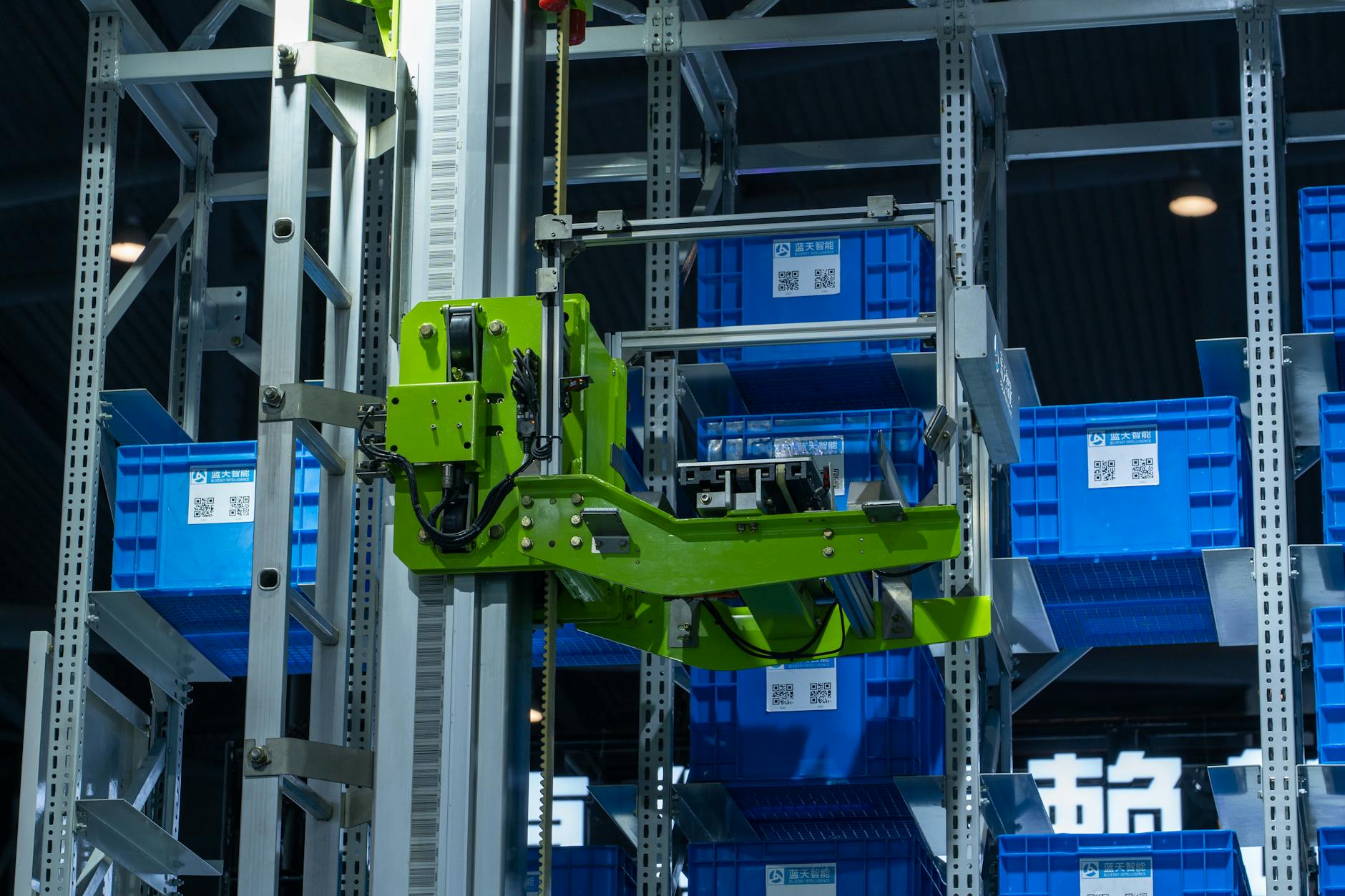
The benefits of AI product recognition do not stop at the checkout counter; they permeate the entire supply chain, optimizing everything from receiving goods to stocking shelves. When goods arrive at the distribution center, automated scanners can instantly validate every packaged item against its expected manifest, achieving near-perfect inventory accuracy upon entry. This drastically reduces the costly error rate associated with manual counting and data logging. Moreover, the system can track products as they are moved to the store, providing real-time “shelf-to-shelf” visibility. This deep level of transparency allows retailers to implement just-in-time inventory management, ensuring that items are replenished precisely when needed and minimizing the expensive costs of overstocking or waste.
For the consumer-facing side of logistics, these systems enable automated shelf audits. Robots equipped with visual recognition technology can patrol store aisles, continuously scanning shelves and comparing the visual inventory count against the expected database count. If a product is misplaced or if a shelf is empty, the system instantly flags the discrepancy for human staff, ensuring that the store always presents a fully stocked and accurate inventory. This proactive management approach radically improves the overall operational efficiency of the physical store. By linking high-level data visibility (supply chain) directly to the point of sale (customer experience), AI recognition creates a seamless loop of operational excellence that minimizes waste, reduces labor costs, and ensures maximum revenue capture at every single touchpoint.
The Future of Frictionless Retail Checkout
The culmination of these advances points towards the ultimate evolution: the completely friction-free, self-checkout store. These next-generation retail environments will largely eliminate traditional checkout lines altogether, relying entirely on AI vision systems embedded throughout the store. As shoppers move through the aisles, cameras continuously scan and recognize every item they pick up, placing a cumulative, real-time total into their digital cart. This sophisticated capability removes the need for the shopper to actively scan or even know where the scanner is located, mimicking the natural flow of a high-end concierge service. Such an environment not only enhances convenience but also radically shifts the labor requirements, moving human staff away from transactional roles and toward advisory, service-oriented roles that enhance the customer experience.
The adoption curve for this technology is steep but inevitable. While the initial investment in hardware, software integration, and workforce retraining is substantial, the return on investment derived from reduced shrinkage, optimized labor costs, and enhanced customer satisfaction makes the transition irresistible. Retailers are moving toward a fully integrated, data-driven ecosystem where every product interaction is recorded, analyzed, and optimized in real-time. AI product recognition is not just a technological upgrade; it is the foundational element required for the survival and growth of modern physical retail. It promises a future where the shopping experience is intuitive, flawless, and fundamentally interconnected with intelligent data streams, defining a new gold standard for commerce worldwide.
Conclusion: Defining the Future of Commerce

AI product recognition is rapidly solving the persistent, structural bottlenecks inherent in traditional retail scanning, moving the industry away from outdated barcode dependency toward a powerful, comprehensive visual language. By transforming how products are identified and tracked, machine learning systems are delivering substantial efficiencies across the entire operational spectrum—from the moment goods arrive at the warehouse to the final interaction at the checkout counter.
This transformation allows retailers to achieve unprecedented levels of data granularity, enabling highly personalized marketing, proactive loss prevention, and flawless inventory control. For consumers, the result is a frictionless, enjoyable, and predictable shopping experience. Ultimately, this wave of technological adoption signals a profound evolution in the physical retail model, cementing technology not just as a helpful tool, but as the essential infrastructure defining the future of commerce.


Leave a Comment