
Vitamin D is more than just a seasonal supplement—it’s a fundamental pillar of bone, immune, and overall hormonal health. As women navigate life’s various stages, from diet changes to increased immune demands, optimizing Vitamin D intake has never been more critical. This renewed focus isn’t about passing fads; it’s about deeply understanding how foundational nutrition supports resilience and hormonal balance throughout the years.
Understanding Vitamin D’s Role in Women’s Health
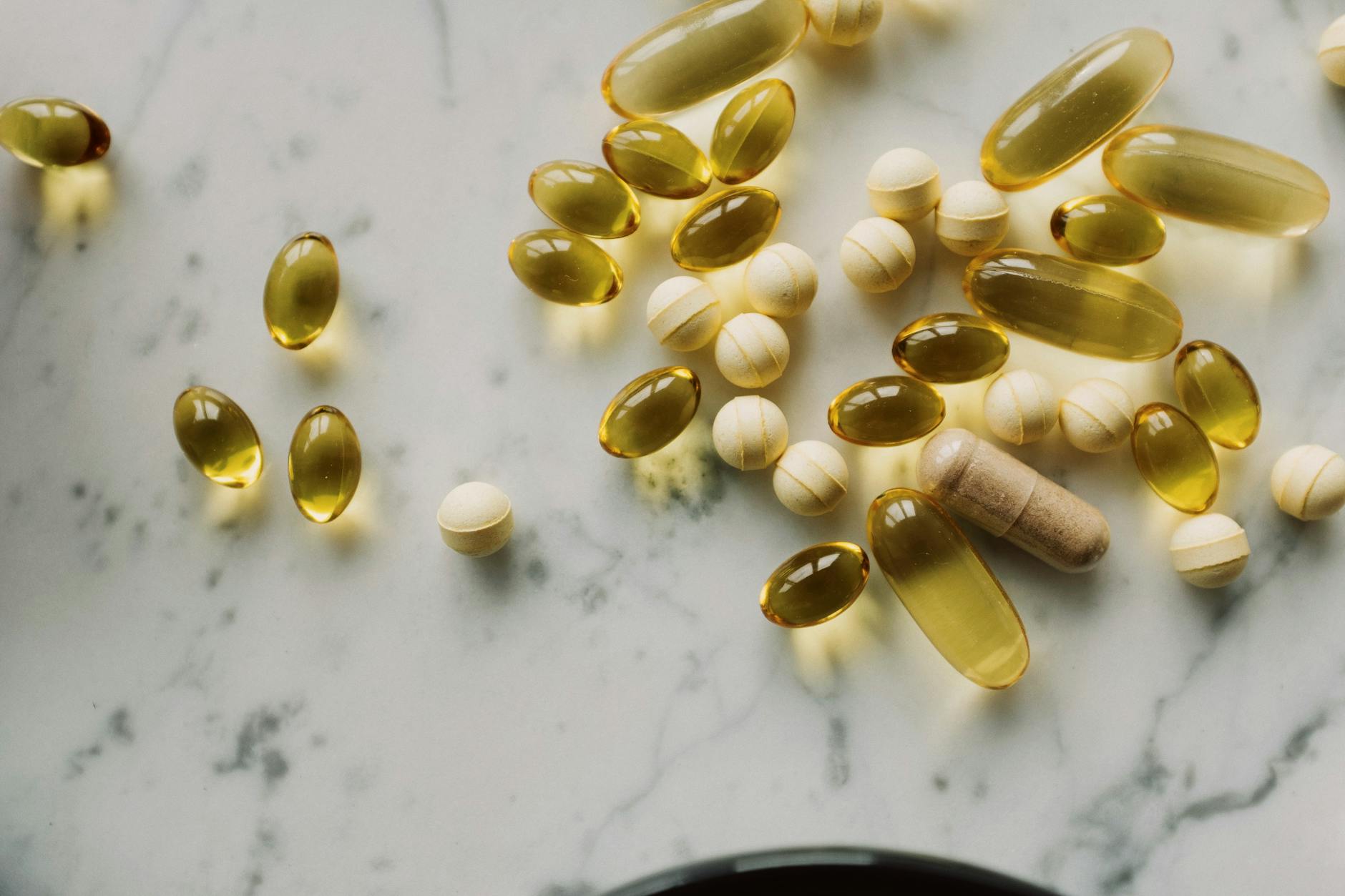
When we talk about Vitamin D, we are really talking about its profound systemic impact, especially for women. It’s commonly known for its role in calcium absorption and strong bones, but its function extends far beyond the skeleton. Adequate Vitamin D levels are crucial for maintaining a healthy immune system, which is vital as women’s bodies deal with hormonal fluctuations and differing needs throughout their life cycles. Furthermore, deficiencies have been linked to various hormonal pathways, including support for mood regulation, muscle function, and even optimal menstrual health. Since sunlight exposure can be unreliable depending on geography and season, proactive attention to dietary intake becomes a necessity rather than a suggestion.
Another critical aspect many women overlook is how Vitamin D interacts with other hormones, such as estrogen. Optimal levels ensure that your body can process and utilize nutrients efficiently, maximizing the benefit of everything you eat. Given that deficiencies are common—particularly in Northern latitudes or during the winter months—it’s important to approach Vitamin D not as a single solution, but as a cornerstone of a comprehensive wellness plan. Ignoring this vitamin can create a cascade of suboptimal health outcomes that might feel unrelated at first, but are all rooted in insufficient foundational support.
Beyond Supplements: Finding Vitamin D in Your Diet
While supplements are often recommended, the healthiest approach always involves maximizing dietary sources. Many people assume that only fortified dairy products count, but Vitamin D can be found in various foods, and knowing which ones provide the most bioavailable form is key. When you are grocery shopping, looking at the ingredient list can feel overwhelming, especially when trying to balance nutrients and processing levels. This is where tools like ScanifyPro shine. Instead of guessing, you can scan the product barcode and get instant clarity on what’s truly contributing to your nutrition, helping you choose the most robust options available.
Furthermore, simply knowing the percentage of Vitamin D in a food product isn’t enough; you need to consider the overall quality of that food. ScanifyPro allows you to look far beyond the basic nutrition facts. By checking the product’s Nutri-Score, you can get a quick visual guide to its overall nutritional quality. When comparing two different brands of milk, for example, you can see which one delivers a more balanced profile, which might include added Vitamin D or other essential nutrients. It empowers you to make choices based on comprehensive data, not just marketing claims.
Analyzing the Whole Picture: Scoring Your Nutrition
The modern nutritional landscape is complex, full of additives, and sometimes misleading labels. Therefore, learning to “score” your food choices is a vital skill for health-conscious shoppers. When you are looking at prepared foods—like pre-made snacks or savory meals—you need an objective way to judge their overall health impact. This is where the specialized scoring tools come in. The Scanify Engine doesn’t just tell you *what* is in the food; it generates actionable health insights. You can check the Bio Score to see how natural the ingredients are, or review the free-form Health Concerns flags to warn you instantly about high sodium or artificial additives.
Knowing these scores helps you build a healthier routine without having to become a nutritional chemist. For instance, if you are analyzing a packaged beverage, a low Bio Score might indicate excessive processing, regardless of how high the vitamin count is. Similarly, a moderate Nutri-Score coupled with a list of concerning additives on the label signals that the product might be convenient, but not optimally healthy. By using these objective, AI-powered tools, you can move from reactive shopping (buying what looks good) to proactive shopping (buying what’s genuinely best for your body).
Dietary Habits and Lifestyle Strategies
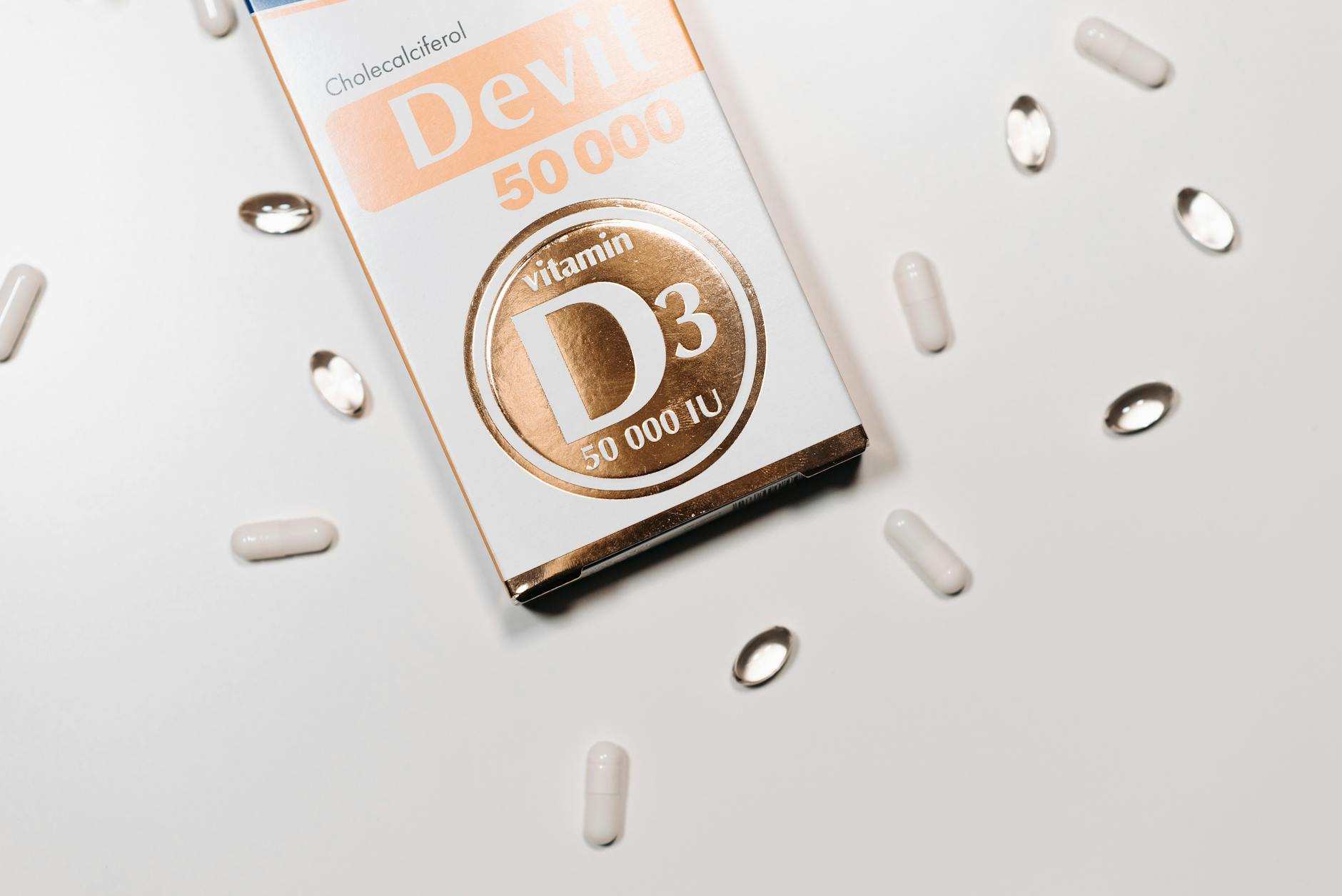
While Vitamin D is crucial, remembering that diet and lifestyle work together is equally important. Optimal absorption of Vitamin D and other nutrients is heavily influenced by what you consume alongside them. Pairing rich sources with foods that aid absorption, such as magnesium-rich nuts or healthy fats, can significantly boost your body’s efficiency. Furthermore, incorporating physical activity—which itself increases Vitamin D production through skin exposure—is a powerful, natural complement to supplements and diet.
Beyond specific food pairings, adopting consistency is key. Making small, manageable changes in your diet can lead to massive improvements in your overall nutrient profile over time. This doesn’t mean overhauling your entire pantry overnight; it means making better, more informed decisions at the point of sale. Before you buy that creamy dessert, pause and check the label. By seeing its potential Nutri-Score, and reviewing its ingredient list on a platform like ScanifyPro, you gain the knowledge needed to make informed trade-offs that favor long-term wellness.
Optimizing Your Wellness Journey
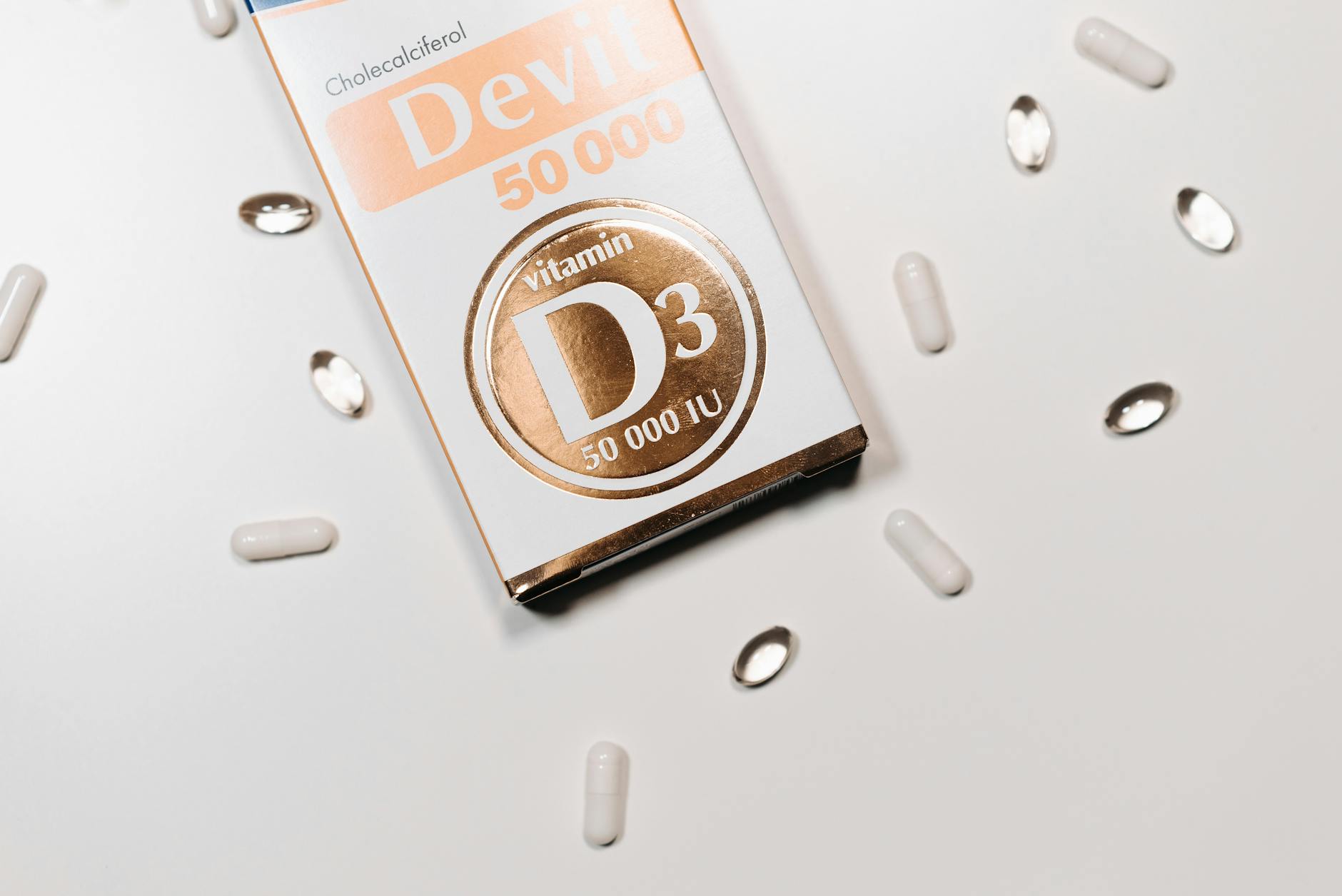
Ultimately, understanding Vitamin D is just one piece of the puzzle; true health optimization requires holistic attention to sleep, stress management, and nutrient intake. Remember that dietary guidance provided by information platforms like ScanifyPro is for informational purposes only and is not a substitute for professional medical advice. If you have concerns about persistent symptoms, hormonal imbalances, or persistent fatigue, the most important step is always consulting with a healthcare provider who can perform blood work and give personalized guidance.
By treating your nutrition journey with transparency and curiosity, you take back control of your health narrative. Use the tools available—like checking the Bio Score of a product you’ve always bought, or comparing the full nutrition profiles of different brands of dairy—to arm yourself with facts. Make every shopping trip a moment of discovery, turning potential confusion into confidence. Stay curious, stay informed, and keep prioritizing foundational nutrition for your best self.



Leave a Comment