
When standing in the grocery aisle, shoppers often face a choice between familiar, expensive name brands and surprisingly affordable store-brand alternatives. This common dilemma leads to a big question: does choosing the cheaper option automatically mean sacrificing nutritional quality? The answer, surprisingly, is not a simple yes or no. Determining the best choice requires looking deeper than the price tag or the brand name.
Beyond the Price Tag: Why Brand Name Doesn’t Guarantee Quality
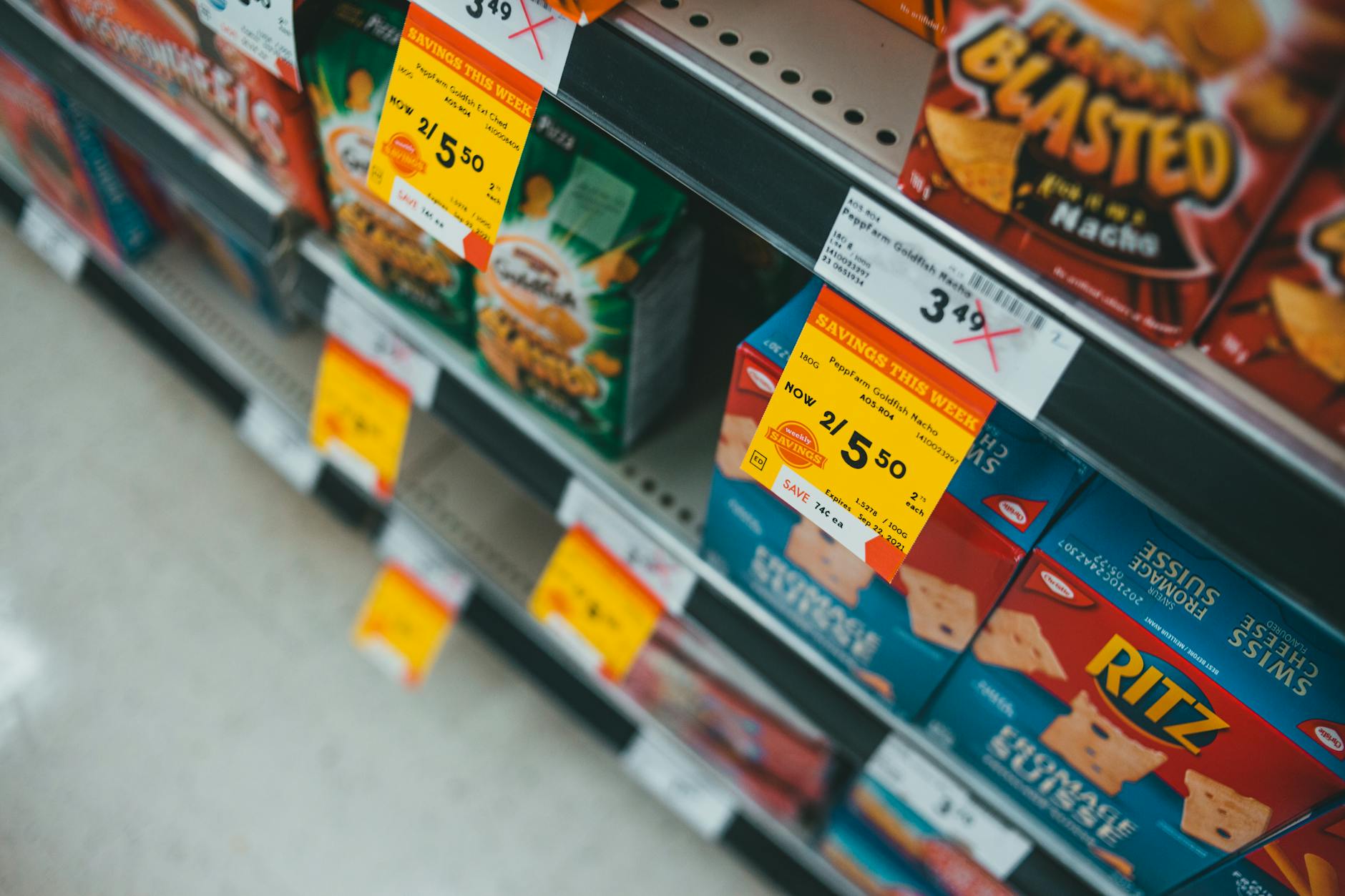
It is easy to fall into the trap of assuming that a recognized brand name equates to superior nutrition. However, the reality of modern packaged goods is that both name brands and store brands are subject to similar industry pressures, including the desire for shelf stability and mass appeal. This pressure often results in the addition of fillers, artificial flavorings, or excessive amounts of sodium and sugar across the board. Instead of trusting the name, savvy shoppers should start focusing on the ingredients list and the overall nutrient profile. We advocate for a data-driven approach, which is why tools like ScanifyPro are so helpful.
When analyzing products, we encourage you to look for specific objective measures rather than subjective marketing claims. Tools are available that provide immediate, standardized scoring. For instance, a product’s Nutri-Score grade gives you a quick, consistent visual A-E assessment of its nutritional profile. Similarly, the Nutrition Score and Bio Score generated by our platform cut through the marketing fluff, giving you a clear, actionable metric for both overall quality and ingredient naturalness, respectively. This helps you compare like-for-like, regardless of who manufactured the product.
Decoding the Nutrition Scores: What to Look For
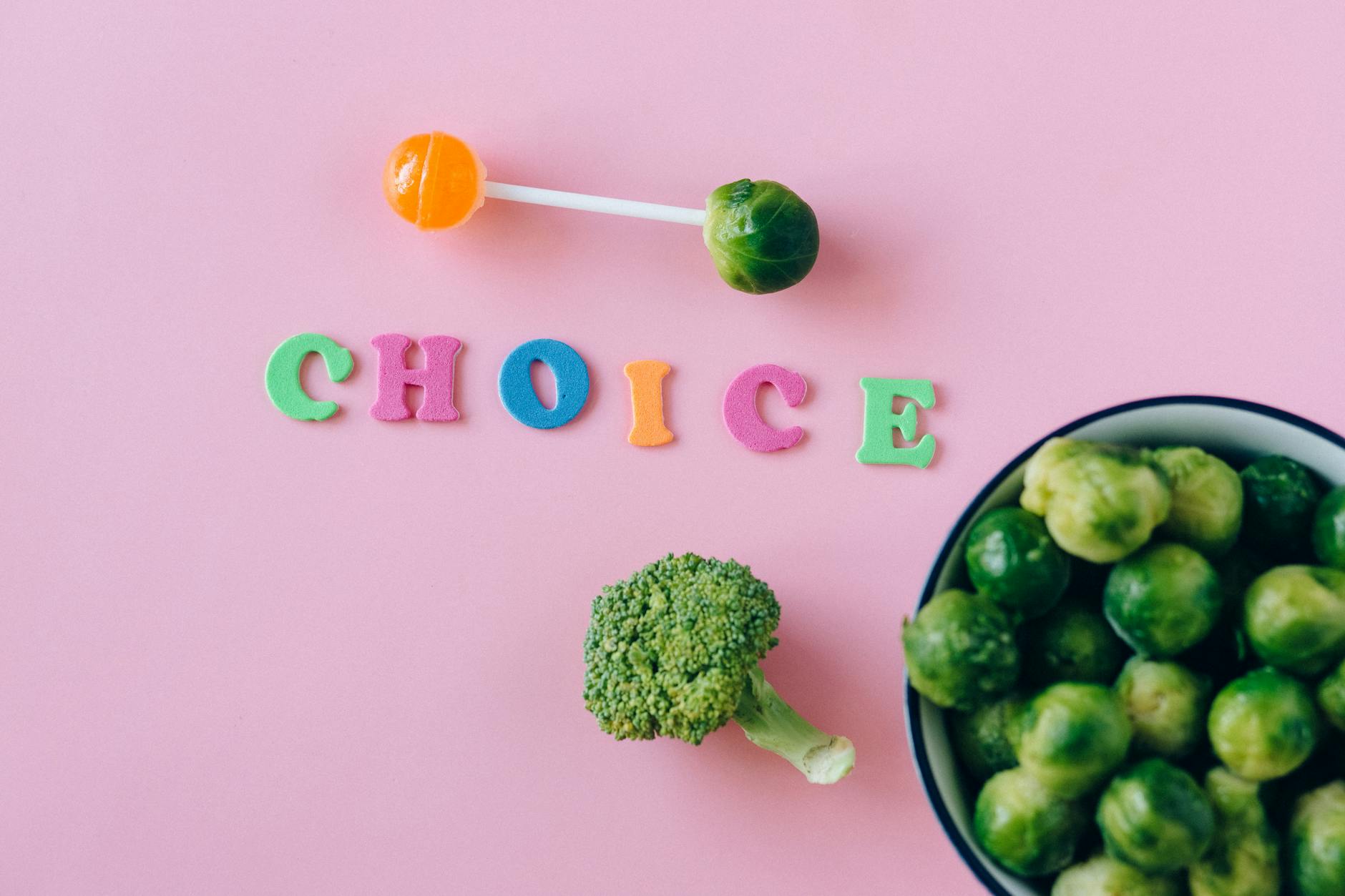
The real power in grocery shopping lies in understanding what the numbers mean. Forget the hype; focus on the metrics. The Bio Score, for example, is especially valuable because it tells you how natural a product’s ingredients are. A high Bio Score suggests fewer artificial components and simpler, more recognizable ingredients. Meanwhile, the Nutrition Score provides a comprehensive assessment of the food’s overall health value. Whether you are looking at a Dairy item, a Meat substitute, or even a Beverage, these scores offer an unbiased comparison point that standard packaging cannot provide.
Don’t assume the store brand must score lower. It is entirely possible for a generic item to have a cleaner ingredient list and thus a higher Bio Score than a heavily processed name brand competitor. If you are comparing a snack or a dessert, take a moment to check the detailed analysis. These reports are designed to flag specific Health Concerns, such as high levels of added sugar or sodium, which are just as important to monitor whether the product is expensive or budget-friendly. This level of transparency is key to making informed choices.
Spotting the Hidden Pitfalls: Reading the Ingredient List

The secret weapon in the fight for better nutrition is always the ingredient list. Both expensive and inexpensive products can hide excessive amounts of problematic additives. Instead of searching for the brand name you trust, conduct a “keyword hunt.” Are there long lists of ingredients you don’t recognize? Does the list prominently feature highly refined oils or corn syrup? Paying attention to the first few ingredients listed often reveals the primary components, which tells you a lot about the item’s intended nutrient quality.
Furthermore, the category of the product matters. For instance, when comparing two types of snacks, you are likely comparing processed goods. Here, the goal shifts to finding the one with the lowest level of highly refined carbohydrates and the highest percentage of whole, recognizable ingredients. If you are purchasing prepared meals or ingredients for a smoothie (Beverages), check if the additives are simply masking less desirable components. When in doubt, utilize the search function to compare the ingredient lists side-by-side. A simple scan can illuminate these differences instantly.
Comparing Categories: Where to Focus Your Scrutiny

The nutritional dynamics change depending on the grocery category. For example, when buying Meats or plant-based alternatives, both brands might utilize similar binding agents. It is crucial to examine the source of the protein and the fat composition. In the Dairy aisle, both name and store brands of yogurt might score well on calcium, but one could be much higher in added sugars. Always use the platform’s filters to examine these crucial differences across the entire database of 3 million products.
Similarly, don’t overlook the difference between a basic item and a highly processed one. Take Beverages, for example. A clear sparkling water from any brand is nutritionally superior to a sugary, artificially flavored drink, regardless of the company’s marketing budget. When shopping for Desserts, you may find that the store brand using natural sweeteners (like dates or coconut sugar) scores significantly better on the Bio Score than the name brand that relies heavily on corn syrup. Always check the scores and flags for the specific category you are shopping in to guide your decision-making process.
Making the Smart Choice: A Holistic Approach

Ultimately, choosing the best grocery item is a balanced equation involving price, taste, convenience, and, most importantly, nutritional impact. A truly “smart” purchase doesn’t automatically favor one brand over another; it favors the product that gives you the best nutritional value for your dollar. This means accepting that sometimes, the store-brand option, due to its simpler manufacturing process, might genuinely yield a higher Nutri-Score or a cleaner Bio Score than the name brand.
We encourage you to shift your perspective from “Brand A vs. Brand B” to “Optimal Nutrient Profile vs. Acceptable Nutrient Profile.” By utilizing the comprehensive data available—checking the Nutri-Score, Bio Score, and reading the flagged Health Concerns—you gain the power to make decisions based on facts, not feelings. Always remember that ScanifyPro is for informational purposes only, but it provides an unparalleled level of transparency to empower every shopper.
Conclusion: Confidence in Your Cart

Making healthy shopping decisions should never feel like a guessing game. By adopting an analytical mindset and leveraging sophisticated tools to evaluate every item, you can confidently navigate the grocery aisles. Focus on the scores, read the ingredients, and trust the objective data over the marketing claims. This approach ensures that whether you are stocking up on essentials or grabbing a quick snack, you are consistently choosing the most nutritious and health-friendly option available.


Leave a Comment