
Cheese is a beloved food staple, celebrated for its rich flavor and creamy texture, making it an easy addition to nearly any meal. However, simply knowing that cheese is dairy doesn’t tell you how healthy it truly is. When browsing the refrigerated aisle, it can feel overwhelming, and conflicting information about sodium, fats, and processing makes making a choice tricky.
Understanding Your Cheese Label: Beyond the Marketing
The biggest challenge with cheese isn’t the cheese itself—it’s the sheer variation in processing, additives, and ingredient ratios. What one brand calls “natural” another might label differently, and ingredient lists can often be a confusing maze of scientific names. To navigate this, you need standardized tools, and that’s where nutritional scoring comes in. We recommend relying on comprehensive platforms like ScanifyPro, which aggregates data from millions of products globally. These tools don’t just list calories; they generate visual metrics that give you an immediate snapshot of quality, helping you assess the total nutritional profile at a glance.
One of the most helpful metrics is the Nutri-Score, which provides a quick A to E grade. A higher score (closer to A) indicates a more favorable nutrient profile, while a lower score (closer to E) suggests potential drawbacks. Beyond the Nutri-Score, advanced platforms also provide a Nutrition Score and a Bio Score. The Nutrition Score reflects overall nutritional quality, while the Bio Score gives insight into how natural the ingredients are, flagging anything artificial or ultra-processed. If you’re curious about a cheese you find in the store, taking a moment to scan it can instantly reveal these scores and surface potential Health Concerns, such as excessive added sodium or hidden sugars, empowering you to be an informed shopper.
Knowing what to look for empowers you to move past guessing and make decisions based on real data. For example, simply checking the sodium content alongside the Nutri-Score can reveal massive discrepancies between similar-sounding cheeses. These tools turn the complex task of label reading into a clear, comparative exercise, allowing you to compare multiple options side-by-side, ensuring you select the best nutritional value for your daily diet. Remember, always consult your doctor or dietitian, as the information provided by ScanifyPro is for informational purposes only.
The Best Bets: Fresh and Mild Dairy Options

If your goal is maximum nutritional value with minimal processing and sodium, the freshest, simplest cheese types are usually your safest bets. Think of items like fresh mozzarella, ricotta, or certain mild goat cheeses. These cheeses generally retain a more intact nutritional profile, often containing fewer added ingredients compared to highly processed, aged varieties. Fresh dairy options are inherently milder, meaning they are less likely to have high levels of salt or preservatives added during the aging or production process, which is a significant win for daily health maintenance.
While fresh cheeses are excellent, their suitability still depends on the brand and the specific product formulation. For example, always check the nutrition panel for ricotta; some brands might mix in flavorings or stabilizers that lower the Bio Score. When you use a scanning platform, you can confirm if the product scores well across the board. If a product maintains a good Nutri-Score (B or better) and has a high Bio Score, it suggests it hasn’t been subjected to unnecessary additives or excessive processing. These are the types of foundational ingredients that can anchor a healthy meal without compromising your nutritional goals.
Furthermore, considering the concept of pairing, these fresh cheeses pair wonderfully with low-sodium alternatives like fresh berries or garden vegetables. Instead of reaching for highly processed snacks, integrating these simple, nutrient-rich cheeses into a balanced meal—perhaps alongside hummus and cucumbers—ensures you are boosting flavor and nutrition simultaneously. Always remember that while ScanifyPro provides excellent data, it is only a guide, and professional dietary advice should always be sought for personal health plans.
Moderation Heroes: Aged and Firm Cheeses

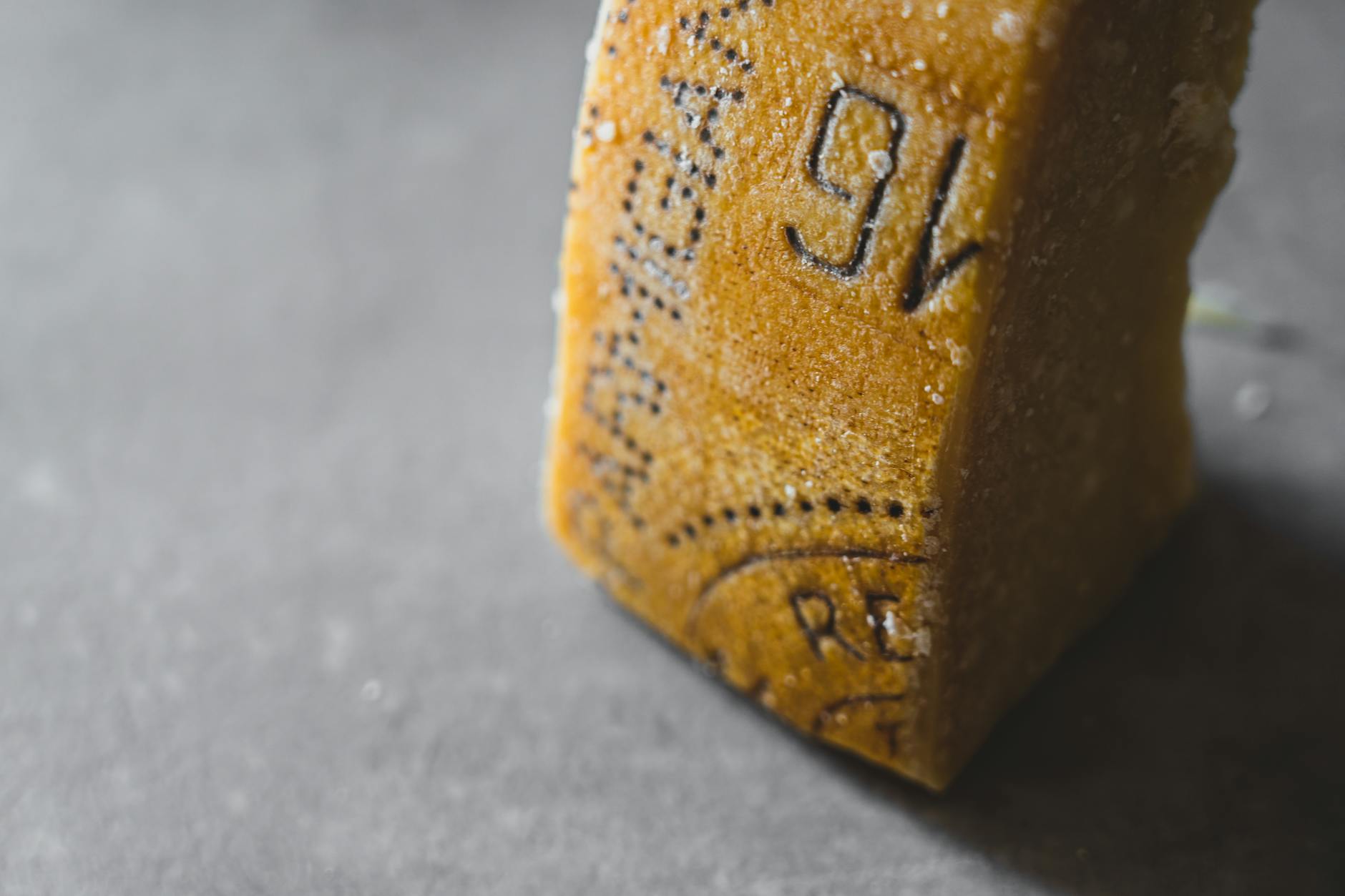
Many of the world’s most iconic and delicious cheeses, such as aged Cheddar, Parmesan, and Swiss, are incredible culinary experiences, but they require a careful approach when focusing purely on nutrition. These hard, aged cheeses develop their signature deep flavors partly through intense aging processes that can concentrate certain elements, including sodium. While they are certainly not forbidden, they are high in quality protein and calcium, making them excellent sources when consumed in measured portions and viewed as a treat, rather than a daily staple.
The key to making these cheeses “moderation heroes” lies in portion control and checking the specific brand’s composition. While the Nutri-Score might look good for a specific aged wheel, you must be aware that the richness also comes with elevated saturated fat and sodium counts. Using the scanning feature on ScanifyPro allows you to see exactly how much sodium or fat you are consuming relative to other dairy options. This immediate feedback loop is invaluable for maintaining a balanced diet.
We also need to be vigilant about the pairing components. Often, these rich, firm cheeses are served with crackers or cured meats, which can drastically elevate the total sodium and processed ingredient load. To keep the nutritional focus positive, pair these bolder cheeses with items that naturally balance their richness, such as an apple slice or some dark, fiber-rich grapes. By making mindful pairings and respecting the portion sizes suggested by your nutritional intake goals, these wonderful cheeses can remain enjoyable parts of a healthy and balanced lifestyle.
The Warning Signs: Reading Between the Lines

When analyzing cheese options, the greatest potential pitfalls rarely come from the cheese culture itself, but rather from ingredients added to improve shelf life, flavor, or texture. Be wary of cheeses that list ingredients like excessive starches, phosphate additives, or high amounts of citric acid among the first few listed items. The ingredient list tells a story, and if the story involves unnecessary industrial components, the resulting Bio Score on a good platform will likely be lower. This signals that while the product might taste fine, its inherent natural integrity has been compromised through processing.
Additionally, pay close attention to the “Health Concerns” flag provided by analytical tools. If a cheese is flagged for high sodium or high saturated fat, it serves as an immediate warning that requires reevaluation of your portion size or the frequency of consumption. Similarly, even in the Dairy category, some dips or flavored spreads marketed as cheese substitutes can hide substantial amounts of added sugar—a major concern for everyday health shoppers. Never assume that because a product is called “cheese,” it is inherently healthy; always cross-reference the scoring metrics provided.
For example, some brands might use processed whey powders or artificial colorants to make their cheese blends more appealing. These additions can significantly dilute the overall nutritional benefit and contribute to a less favorable Bio Score. By adopting a habit of scanning every new cheese product, you gain the power to spot these hidden ingredients instantly. This proactive approach ensures that every piece of cheese you enjoy is contributing positively to your overall dietary health, rather than just adding salt and fat to your day.
Mastering Dairy Choices: Your ScanifyPro Strategy

Ultimately, the healthiest cheese choice is the one that fits your current lifestyle, dietary needs, and budget. We don’t advocate for a single “best” cheese, but rather a method of choosing informedly. Your personal nutrition goals—whether reducing sodium, managing weight, or simply eating cleaner—will guide which scoring system you prioritize. If sodium is your biggest concern, focus heavily on the Nutri-Score alongside the listed sodium content. If you’re aiming for gut health and natural ingredients, prioritize the Bio Score. This ability to check multiple data points simultaneously is crucial for comprehensive nutritional management.
Make using a robust tool like ScanifyPro a routine part of your grocery shopping ritual. Instead of spending time comparing confusing labels, simply scan the barcode. The resulting report, which combines the Nutri-Score, Nutrition Score, Bio Score, and any listed Health Concerns, synthesizes all the complex information into a simple, actionable summary. This immediate, comprehensive feedback allows you to walk out of the store feeling confident and in control of your diet, knowing exactly what you are fueling your body with.
Remember that healthy eating is about balance, not perfection. Cheese can be a wonderful, flavorful part of a wholesome diet when viewed through the lens of scientific data and nutritional transparency. By understanding the scores and reading ingredients critically, you can continue to enjoy the creamy pleasures of cheese while supporting your long-term health goals. Always remember that while ScanifyPro is designed to inform and educate, for specific medical or dietary guidance, consulting a qualified healthcare professional remains the most important step.


Leave a Comment