
The conversation around health is changing, moving away from purely reactive treatments and toward proactive prevention. Doctors and nutritionists are increasingly recognizing that our diets are not just fuel—they are potent medicine. This shift means that knowing what we put on our plates has never been more critical than it is today.
The Rise of Preventative Eating
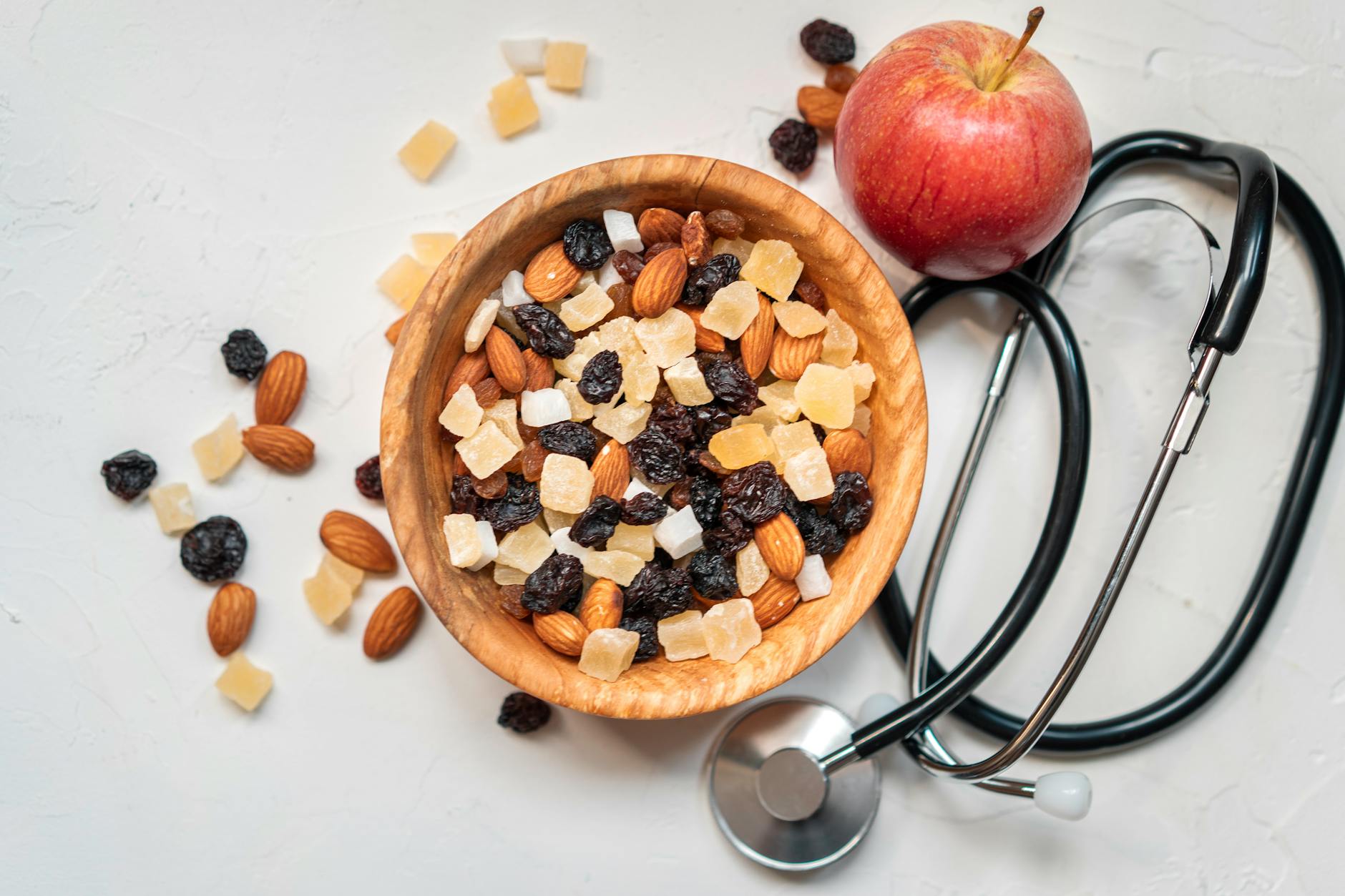
For decades, health care often focused on treating symptoms once an illness manifested. However, mounting evidence from global studies indicates that many chronic diseases, such as type 2 diabetes, heart disease, and certain gut disorders, have significant dietary roots. This realization has prompted a major paradigm shift within the medical community. Instead of waiting for a problem to occur, the focus is now on optimizing diet to maintain wellness, treating food itself as a powerful preventative therapy. This revolutionary concept suggests that by making informed choices about what we consume—focusing on whole, unprocessed foods and nutrient-dense options—we are actively managing our risk profile and supporting optimal long-term health.
This recognition explains why you might hear more about ‘nutritional prescriptions’ or ‘dietary guidelines’ than ever before. It doesn’t mean a doctor is handing out groceries; rather, it means they are prescribing the *habit* of smart eating. Modern medicine is educating patients and advocating for the power of food to modulate inflammation, balance blood sugar, and strengthen immune function. Understanding this movement is the first step toward taking control of your diet, moving beyond simple calorie counting and toward understanding the quality of your nutrition.
Decoding Modern Food Labels

If food is medicine, then understanding the recipe is paramount. Unfortunately, commercial food products are often engineered to be palatable, which frequently means they are also engineered to contain hidden ingredients, added sugars, and excessive sodium. This challenge makes reading nutrition labels confusing and overwhelming, even for the most dedicated shopper. You might see a low-calorie snack, but the ingredient list could contain dozens of artificial additives or highly processed oils that contradict its supposed nutritional value. This is where sophisticated tools become invaluable, acting as your personal, unbiased label reader.
To truly grasp the nutritional quality of a packaged item, you need a system that goes beyond simple macronutrient counts. ScanifyPro helps simplify this complexity by providing multiple layers of analysis. For example, beyond the basic facts, it gives you a clear Nutri-Score grade (A to E) and a unique Nutrition Score (0-100) that reflects overall quality. Furthermore, the Bio Score tells you how natural the product’s ingredients are, empowering you to choose items that align with a less processed, more whole-food diet.
If you ever find yourself in the store wondering if a particular item is worth the money or the health risk, take a moment to try scanning it. ScanifyPro can instantly tell you if that item is flagged for potential health concerns, such as high sodium or added sugars, allowing you to make immediate, evidence-based decisions rather than relying on marketing claims.
The Role of Functional Scoring Systems

The biggest shift in food science is moving from simply identifying ‘good’ vs. ‘bad’ foods to understanding *how* well a food performs nutritionally. This is why scoring systems are becoming mainstream tools for consumers. The Nutri-Score, for instance, gives an instant, intuitive grade (A through E) that helps you compare products across categories like beverages or snacks. A higher score, like A or B, suggests better overall quality, which is helpful when you are comparing two similar-looking breakfast cereals.
Beyond general scoring, modern platforms analyze specific nutritional components to give you a comprehensive picture. The Scanify Engine generates two powerful metrics: the Nutrition Score and the Bio Score. The Nutrition Score gives you a 0–100 overview of the product’s nutritional completeness, while the Bio Score assesses the product’s ingredient profile, signaling how natural or ‘bio-friendly’ it is. For those aiming for minimal processing, the Bio Score is particularly critical, guiding you toward items that rely on recognizable, natural ingredients rather than complex chemical names.
These tools don’t replace a doctor, but they empower you to be an active participant in your own preventative health care. By giving consumers this transparency, they allow us to move beyond generic dietary advice and customize our nutrition plan based on the specific, analyzed components of the foods we choose every day.
Understanding Your Dietary Categories

A well-rounded diet requires attention to several specific categories of food, each with unique nutritional needs. Whether you are focusing on gut health through fermented dairy products or optimizing muscle recovery with lean meats, knowing what to look for is crucial. ScanifyPro organizes the immense database of over 3 million products into accessible categories like Beverages, Dairy, Meats, Snacks, and Desserts. This organization allows you to efficiently compare options within a specific dietary need.
For example, if you are shopping for healthier alternatives to snacks, you can narrow your search to see how different brands stack up against each other. You can quickly see which chips have a favorable Nutri-Score compared to highly processed alternatives, or which yogurt options (Dairy) boast a high Bio Score, indicating fewer artificial stabilizers and more natural ingredients. The platform’s vast database, sourced from global products across 185+ countries, ensures that no matter where you shop, you have access to comprehensive, standardized nutritional information.
Using these specialized categories is how the theory of ‘food as medicine’ meets the reality of the grocery store. It transforms a complex mission—eating better—into a set of simple, actionable purchasing decisions. We move from vague concepts like “eat more whole foods” to specific comparisons like, “ScanifyPro shows this brand of oatmeal has a B Nutri-Score and a high Bio Score, making it a superior choice this morning.”
Actionable Steps for Healthier Shopping

Making the leap to becoming a highly informed shopper can feel daunting, but it boils down to adopting a few core habits. First, always check the ingredient list, not just the front label claims. Second, use scoring tools to benchmark products. Third, always consider the *full* context of the product, understanding that a score is just one piece of data.
When you are ready to apply this newfound knowledge, remember that continuous learning is key. Never hesitate to compare competing products side-by-side using the tools available. Whether you are reviewing a dessert or a beverage, inputting the barcode into ScanifyPro immediately provides you with the data needed to assess its true quality. This instant feedback loop—from identifying a potential health concern to seeing the comprehensive scoring breakdown—builds confidence and reinforces positive, preventative habits.
In the end, the revolution of ‘food as medicine’ is nothing more than giving consumers the power of information. By using transparency tools like ScanifyPro, you are not just shopping; you are actively participating in your personal, preventative healthcare plan, making food choices that truly nourish your body and support long-term wellness.
Conclusion: Empowerment Through Knowledge

The future of health care is increasingly integrated with nutrition. By adopting the mindset that food is a powerful, proactive form of medicine, we move from being passive recipients of care to active managers of our own well-being. Armed with the comprehensive data provided by platforms like ScanifyPro, every shopping trip becomes an opportunity to make a choice that nourishes the body. This empowerment through knowledge is the greatest prescription of all.


Leave a Comment