
Added sugar is one of the most pervasive ingredients in modern food, subtly slipping into products you least expect—from packaged snacks to creamy sauces. Because sugar is so versatile for food manufacturers, it often hides behind confusing names, making it challenging for even the most diligent shopper to track down.
Understanding where and how sugar is added is the first step toward taking control of your diet. By learning to read labels like a detective and utilizing modern technology, you can shop smarter and keep the hidden sugars out of your daily routine.
The Art of Label Decoding: Knowing What to Look For
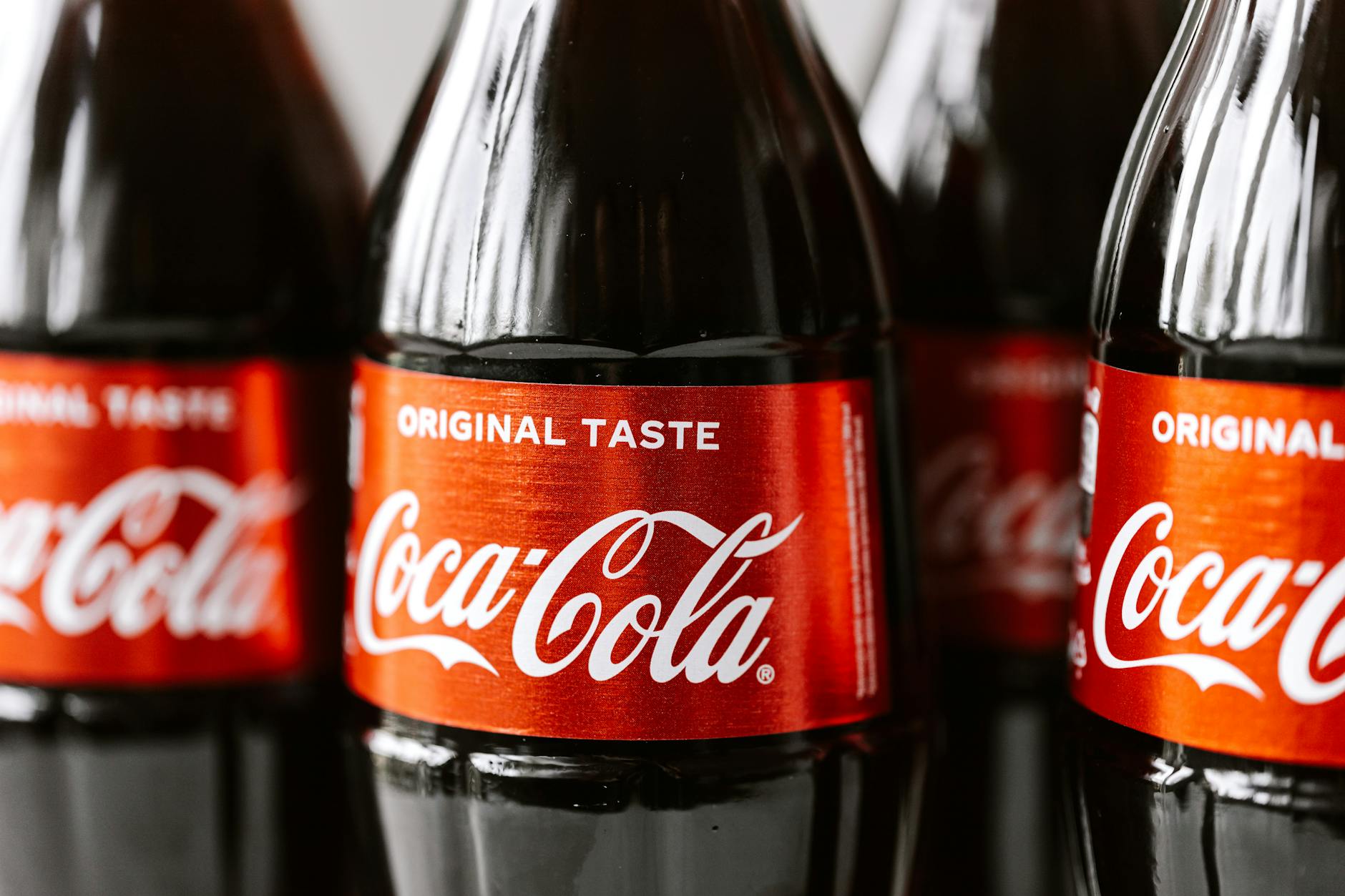
The most effective defense against sneaky sugar is knowledge. When you look at a nutrition label, don’t just glance at the total grams of sugar; you must actively hunt for ‘Added Sugars.’ Most reputable labeling systems now differentiate this amount, but even when they don’t, manufacturers are experts at listing sugar under dozens of different names. Getting started with label reading can feel overwhelming, but remember that every time you scan a product on ScanifyPro, you can look past the fluff and see the hard numbers.
Beyond the primary ‘Added Sugars’ line, keep an eye out for ingredients that are synonyms for sugar. Common disguises include high-fructose corn syrup, maltose, dextrose, evaporated cane juice, and various types of syrups (like agave or maple syrup—which are still sources of sugar). The moment you see a long list of ingredients and multiple sugar variations, it’s a flashing yellow light, indicating caution is needed. It doesn’t mean the product is inedible, but it does mean you should investigate its overall nutritional profile.
If you are ever unsure about a complex product, we recommend using the comprehensive search feature on ScanifyPro. Not only can you check the sugar content, but you can also instantly see the product’s Bio Score, which gives you a quick indication of how natural or processed the ingredients list is, helping you make rapid, informed choices in the store.
Beyond the Candy Aisle: Where Sugar Hides in “Healthy” Foods
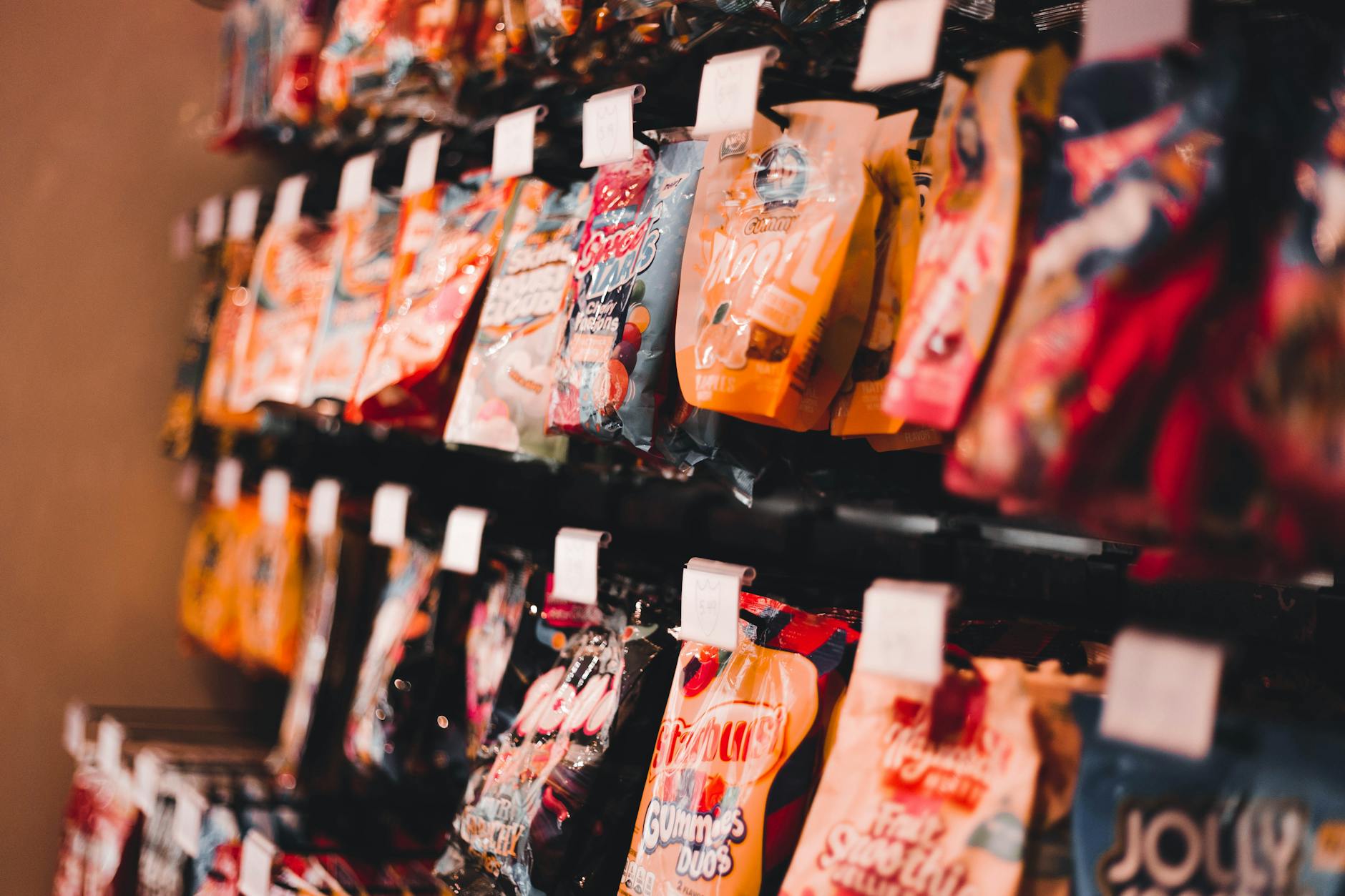
One of the biggest myths in nutrition is that sugar only exists in sweets. In reality, sugar has infiltrated seemingly innocent and even healthy food categories. Think about yogurt, for example. Many flavored yogurts appear delicious and seem like a perfect, healthy snack, but they often contain massive amounts of added sugars and flavorings. The goal of these additions is often to mimic the taste of dessert, regardless of the product’s stated health benefits.
The same applies to beverages. Beyond soda, check out flavored coffee creamers, sports drinks, and even some “iced teas” or fruit juices. While fruit juice is better than pure sugar, it is still concentrated sugar without the natural fiber found in whole fruit. When you see a seemingly natural product that carries an artificial ingredient or multiple forms of sugar, remember that artificiality and sugar content are often related to the overall processing level. Scanning the product through ScanifyPro allows you to see the full picture, including flagged Health Concerns like high sodium or added sugar, providing an immediate heads-up.
Another major culprit is condiments and dressings. Ketchup, BBQ sauce, and salad dressings often use sugar not just for sweetness, but as a preservative or a thickener. These small, seemingly harmless items can rapidly accumulate hundreds of extra grams of sugar over the course of a week’s meals, drastically skewing your overall diet profile. Checking the ingredients of your usual favorites before you buy can be a game-changer.
The Role of Processing and Additives

Added sugar rarely travels alone; it usually comes packaged with other ingredients that signal how highly processed the food is. When a food is highly processed, manufacturers have more freedom to use chemical compounds and highly refined sugars to ensure consistent flavor and shelf stability. This is where the concept of “ultra-processed ingredients” becomes relevant. If you see many stabilizers, emulsifiers, or artificial colorings alongside the sugar, it suggests the product has undergone significant alteration from its natural state.
The complexity of an ingredients list is often a better indicator of processing than the sugar count alone. If you find a product that is overwhelmingly long and difficult to pronounce, resist the urge to purchase it simply because it’s marketed alongside ‘wholesome’ ingredients. High sugar content paired with a long list of unrecognizable additives is a dual warning signal. Aiming for products with short, recognizable ingredient lists—ingredients you know and can pronounce—is key to minimizing unnecessary processing.
This interconnectedness is why ScanifyPro is so helpful. When you scan an item, you receive not only the specific Nutrition Score and Bio Score, but also specific Health Concerns flags, which combine the data points (sugar, sodium, additives) into one clear, actionable report. It provides a holistic view that looking at the nutrition panel alone simply cannot match.
Making Swaps: Low-Sugar Alternatives and Lifestyle Adjustments

The good news is that finding lower-sugar alternatives is easier than ever. The first major area to tackle is the snacking category. Instead of reaching for pre-packaged cookies, crackers, or flavored granola bars, focus on whole, unprocessed foods. A bowl of fresh berries, a handful of unsalted nuts, or whole pieces of fruit are naturally lower in added sugar and provide beneficial fiber and fat, promoting sustained energy.
When dealing with meals, especially in the Meats or Dairy categories, be mindful of processed items. Instead of buying pre-marinated meats or jarred sauces, choose the plain ingredients and do the prepping yourself. Making your own vinaigrette dressing or marinading chicken with simple spices rather than bottled mixes gives you complete control over the sugar and salt content. These small, proactive changes in the kitchen have the biggest impact on your overall dietary intake.
Finally, remember that no amount of reading labels can replace making informed decisions about portion control and meal balance. While ScanifyPro is a powerful tool for informational support, consistent awareness and thoughtful meal planning are your best allies. Use the platform every time you shop to build a reliable habit of checking the scores and identifying hidden sugars before they land in your cart.
Conclusion

Navigating today’s grocery aisles requires a new set of skills—the ability to decipher clever marketing and complex ingredient lists. By learning to read the difference between naturally occurring sugars and those that are deliberately added, you move from being a passive shopper to an active nutritional participant. Remember that making healthier choices is a journey, not a single purchase, and tools like ScanifyPro empower you with the clarity and data needed to make those choices.


Leave a Comment